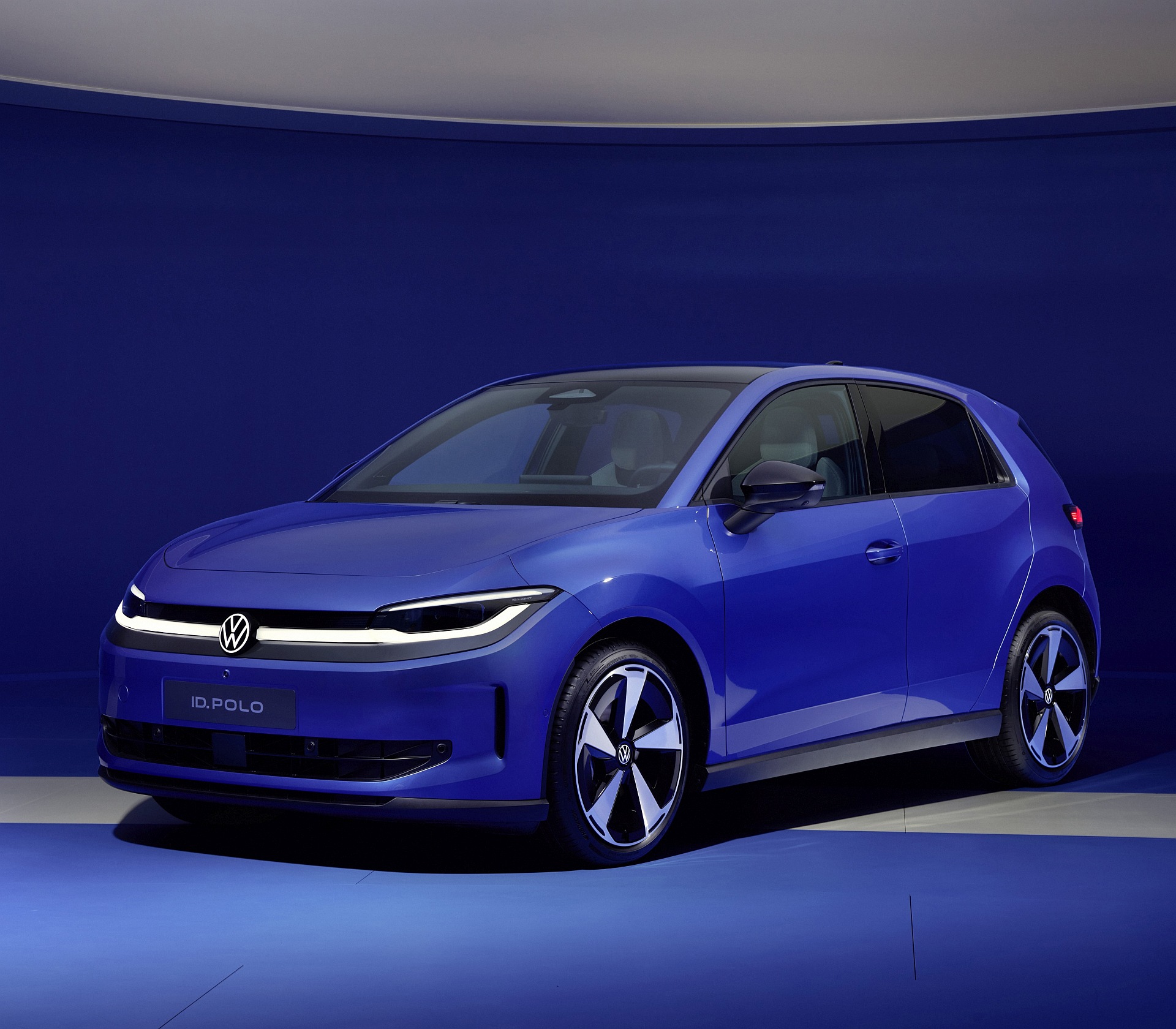
The Volkswagen Polo has been on duty for five decades. Now the brand – which has been one of Mzansi’s best-selling cars over the past two decades – is entering a new era in the electrification sphere, with the revelation of the ID. Polo. It will not replace the petrol Polo, at least not yet. But it does pave the way for an eventual replacement relay, expected to take place around 2031 or so. That is good news for customers who still demand petrol-powered Polos, which are all produced at Volkswagen’s Plant in Kariega, Eastern Cape.
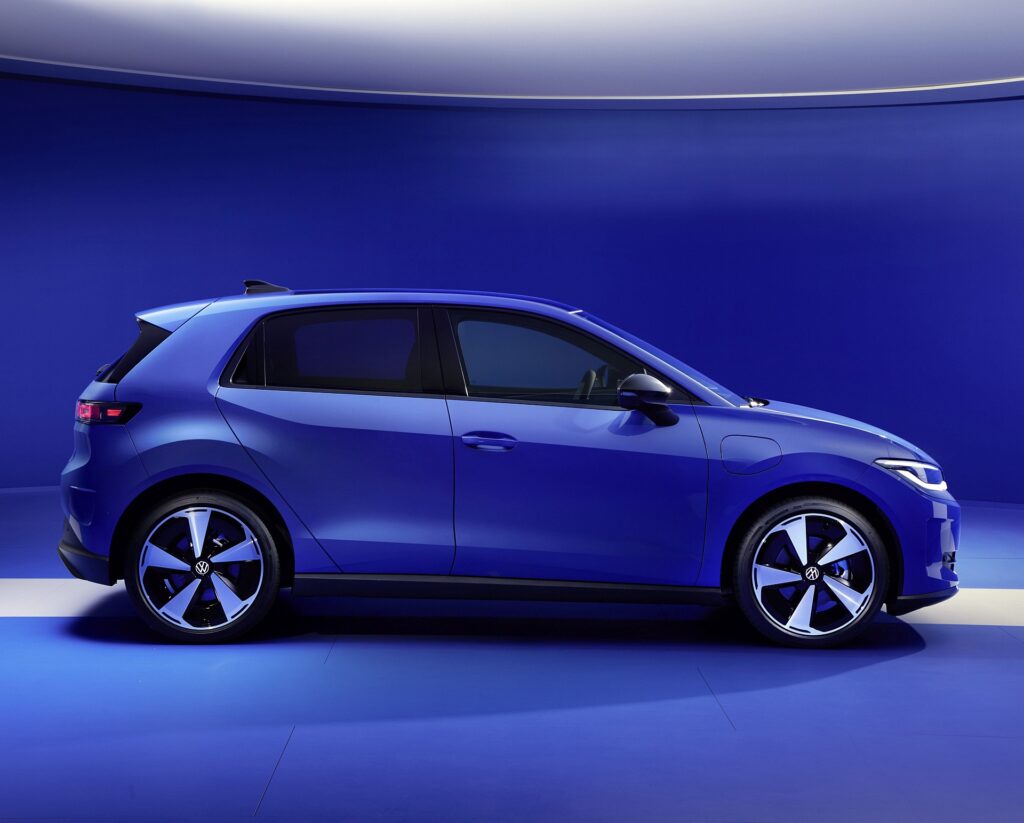
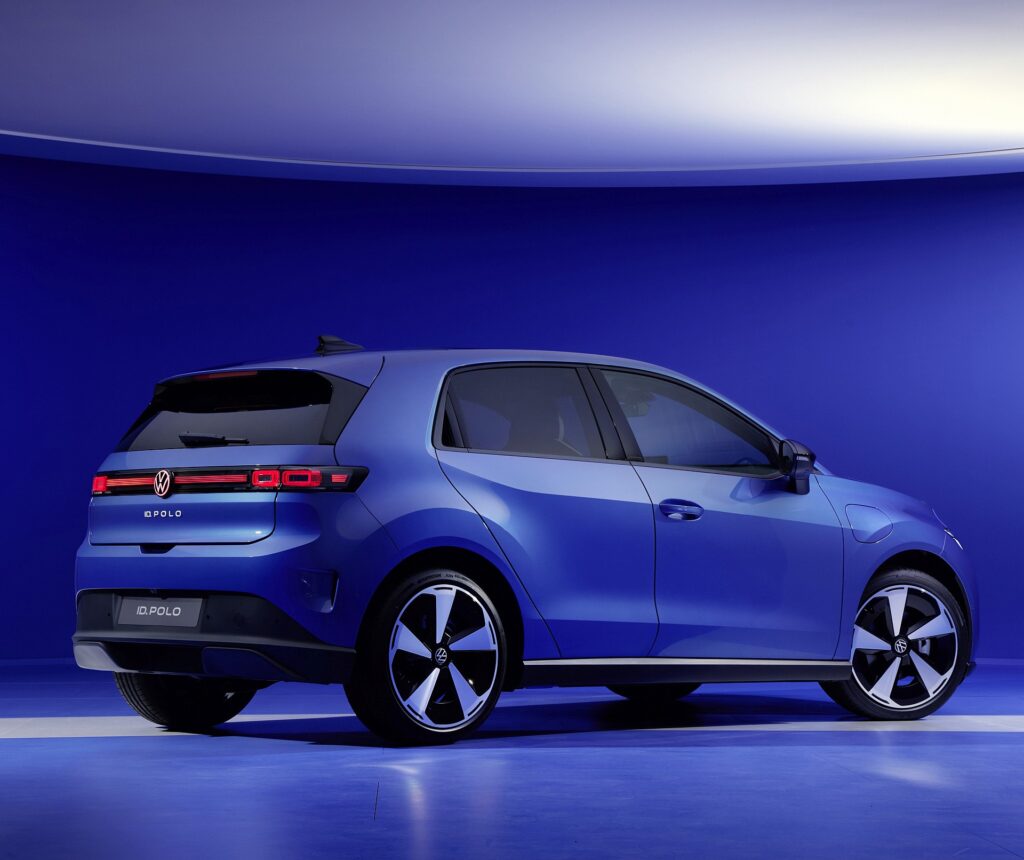
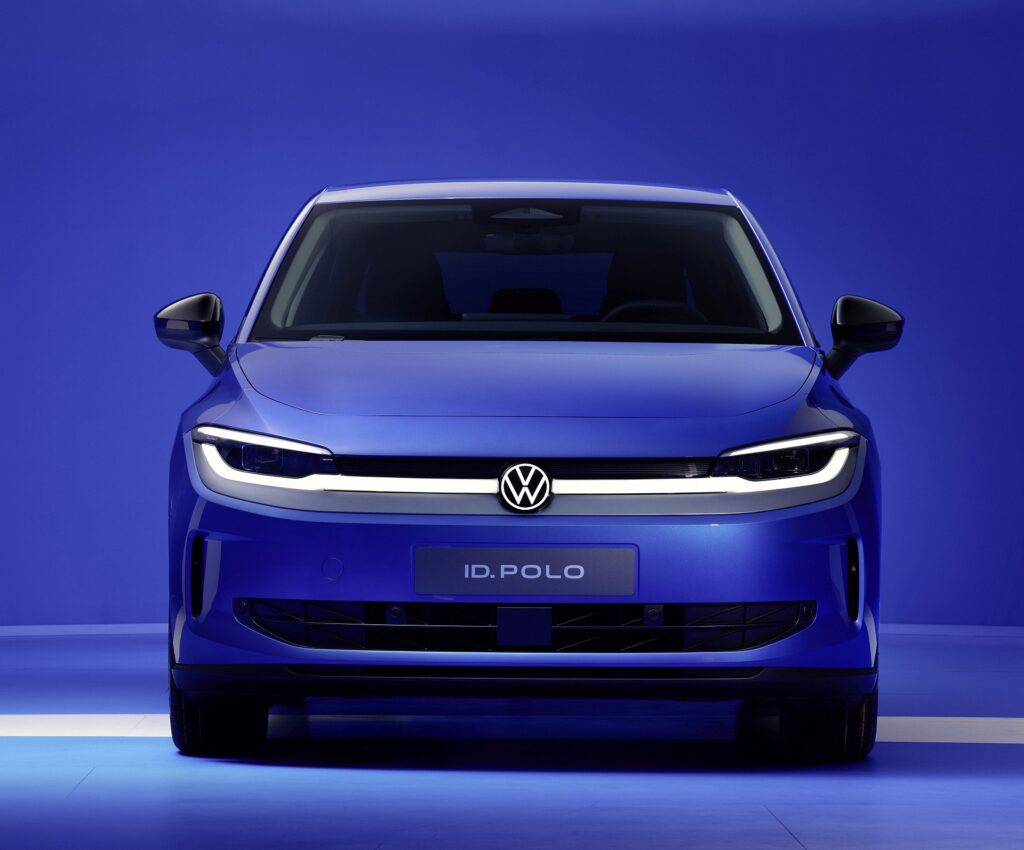
The ID. Polo is instantly recognisable as a Volkswagen, especially as a Polo. While the design lines are much cleaner than the petrol version, the connection is pretty obvious from the jump. Volkswagen’s smiley face, with LED strips running through the bonnet vicinity, hugging the LED headlights. Perhaps the side profile is the most interesting, first with the charging power outlet appearing on the front fender, rather than the rear as per petrol models. Secondly, the rear door handle seems hidden on the C-pillar, similar to what we’ve seen on some French rivals. As for the rear end; it’s a familiar affair, harking to the T-Cross with those LED lights.
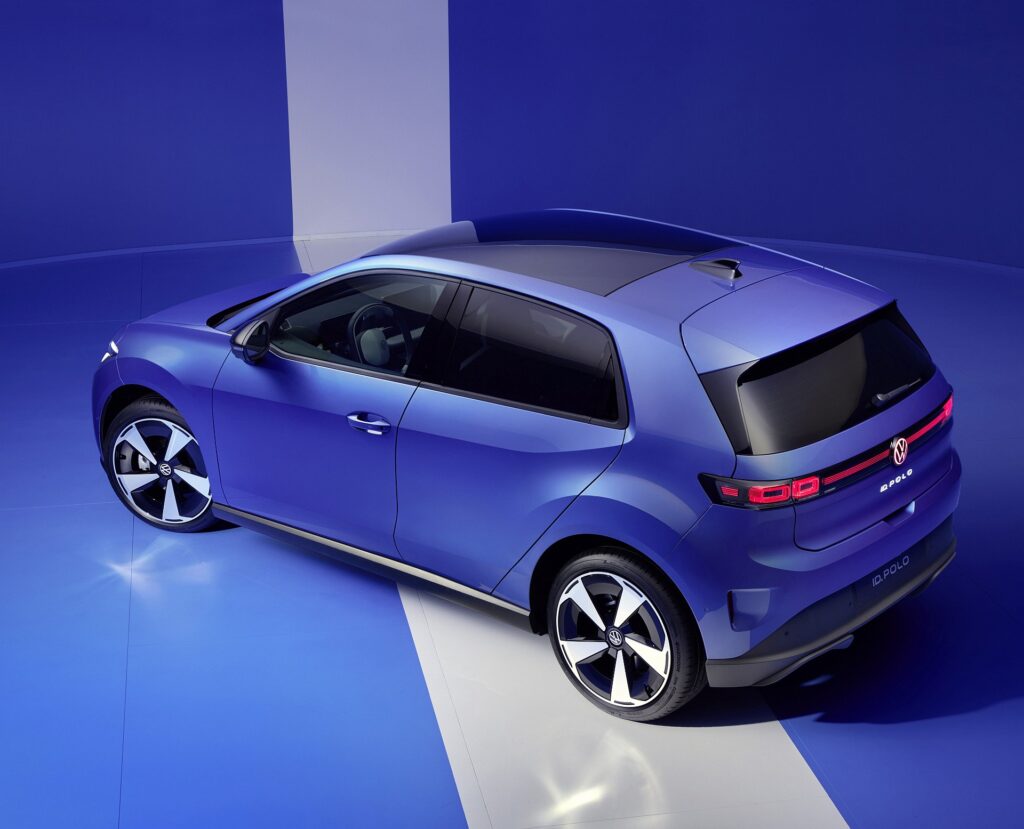
At 4 metres long, the ID. Polo is within the segment size, with boot space of 441 litres trumping that of the existing Polo and even Golf. The car pulls on the two front wheels and comes with either 85kW or 99kW. Claimed range on the former is about 315km, while the latter is said to cover 456km on a full charge. For most European countries these are more than enough. But for Mzansi we have to dramatically improve our public charging infrastructure for this to make sense.