In the winter of 2026, the new vehicle market did not merely grow, it rearranged itself. The June and July sales figures revealed a market in the middle of a structural shift, one that has been building for years but finally became unmistakable in the middle of this year. One was reminded of November 2014, the first time that the Ford Ranger had ever outsold Toyota’s market-leading Hilux. We knew then that something different was happening. We know it now again.
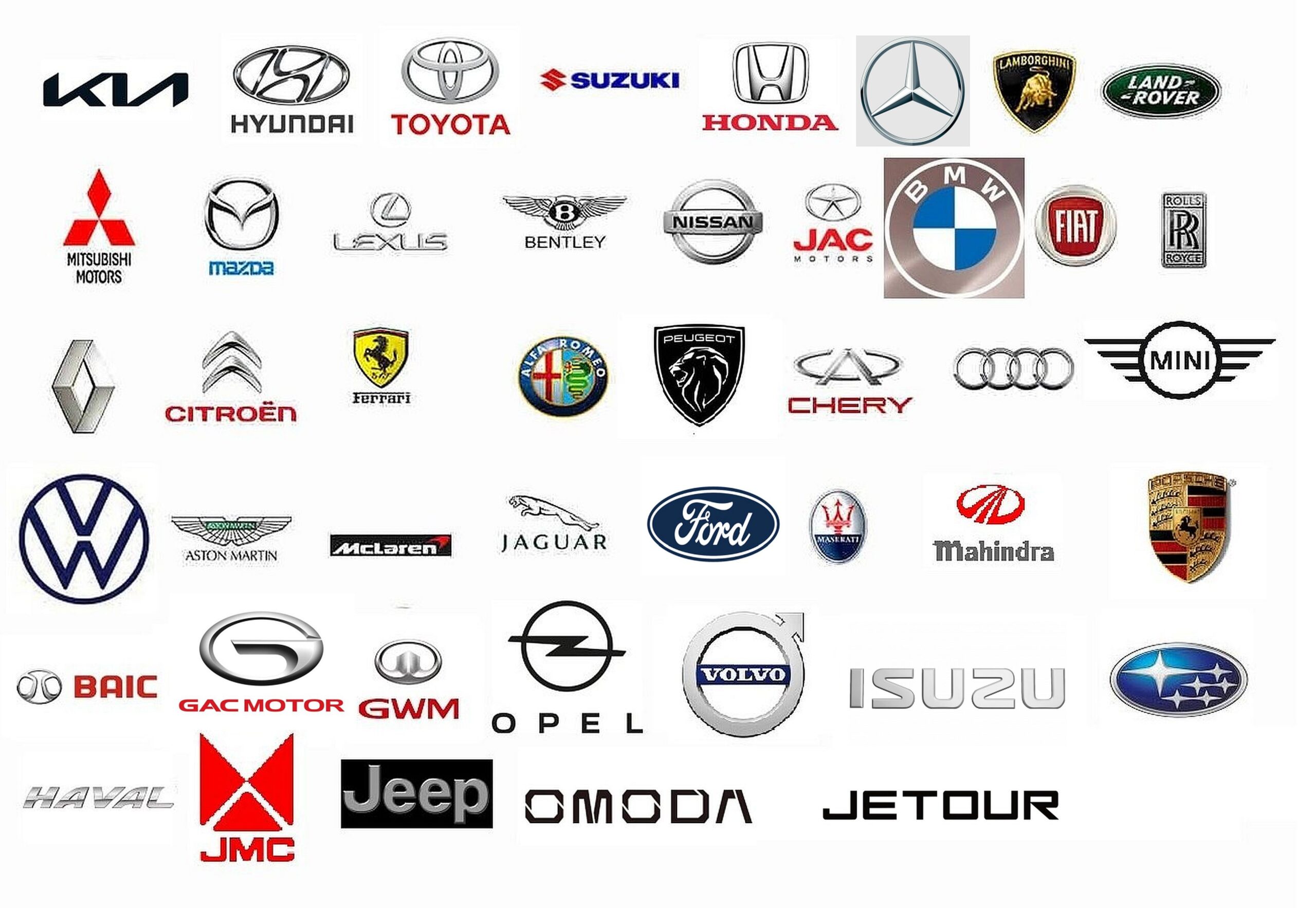
So what happened over the past two reporting months? Well, Toyota did what Toyota does, and remained the immovable object. In June the Japanese giant delivered 12 417 units. In July it surged to 14 142. The Hilux, once again the country’s single most popular vehicle, continues to do the heavy lifting, but the broader Toyota, Lexus and Hino portfolio is now so deeply embedded in the Mzansi psyche that leadership feels almost structural. Yet the real narrative of these two months was not the distance between first and second. It was the violence of the scramble immediately behind the leader.
Suzuki – also Japanese – held second in both months, with 5 689 in June and 5 994 in July, proof that the small car specialist has turned value and reliability into a sustainable national franchise. Volkswagen Group, including Audi, stayed close enough to keep the pressure on: 5 613 then 5 799. The Polo Vivo remains the volume backbone, but the Group’s ability to hold third while Chinese brands circle hungrily is no small achievement.
Below the top three, the picture grows more interesting. Hyundai and Ford occupied fourth and fifth with almost clinical consistency, around the 2 900 to 3 000 mark. GWM (GWM, Haval, Tank, Ora) and Chery traded places and pressure. In June GWM edged Chery by a handful of units (2 608 to 2 602). By July, Chery had overtaken, posting 2 709 against GWM’s 2 504. That single switch of positions is more than a statistical curiosity. It signals that the Chinese assault is no longer a novelty act. It is a multi-brand, multi-segment campaign that has already claimed permanent real estate in the top ten.
Isuzu’s bakkie strength pushed it to 8th in July with 2 435 units after a solid 2 121 in June. The Isuzu story is actually quite incredible, considering the company really only sells two daily vehicles in the D-MAX and mu-X. Jetour, the relative newcomer that once seemed destined for the lower reaches, held 9th with more than 2 000 units in both months. Their T series cars – including the new South African Car of the Year T2 – are doing very well in the market. Mahindra, Kia, Omoda & Jaecoo, and Renault all occupied the next tier with volumes that would have been considered respectable mid-table performances a decade ago. The fact that several Chinese and Indian brands now routinely outsell long-established European names is the clearest evidence that the old hierarchy has cracked.
Further down the list the story becomes one of quiet attrition and selective resilience. BMW Group and Mercedes-Benz continue to trade on brand equity rather than volume. Nissan and Stellantis hover in the mid-hundreds, a far cry from their former relevance. BYD, still building its dealer network and product familiarity, crossed 800 units in both months. Sure it’s modest by Toyota standards, but significant for a pure-play new-energy brand in a market still dominated by internal combustion. And remember, BYD was selling around 300 units just four months ago or so. JLR, Honda, Mazda and the remaining Japanese and European names are now fighting for scraps that once belonged to them by default.
What these two months also revealed is the accelerating presence of new energy vehicles (NEVs). While absolute numbers remain small relative to the total market, the year-on-year growth rates reported by naamsa are no longer incremental. The infrastructure gaps remain real, yet consumer willingness is clearly rising. Combined with the continued strength of bakkies and the unexpected resilience of the passenger-car segment, July’s 40 912 passenger units were the highest since 2014. The overall market is expanding even as its composition changes. We are definitely on track to surpass the 300 000 annual mark.
The net effect of June and July is a market that looks less European, less Japanese, and more multipolar than at any time in the democratic era. Toyota still sits on the throne. Suzuki and Volkswagen form a credible court. But the Chinese brands have moved from the periphery into the centre of the conversation, and they don’t appear to be leaving. As things stand, all the Chinese brands combined make up around 25% of the total new vehicle market. That’s a quarter by the way.