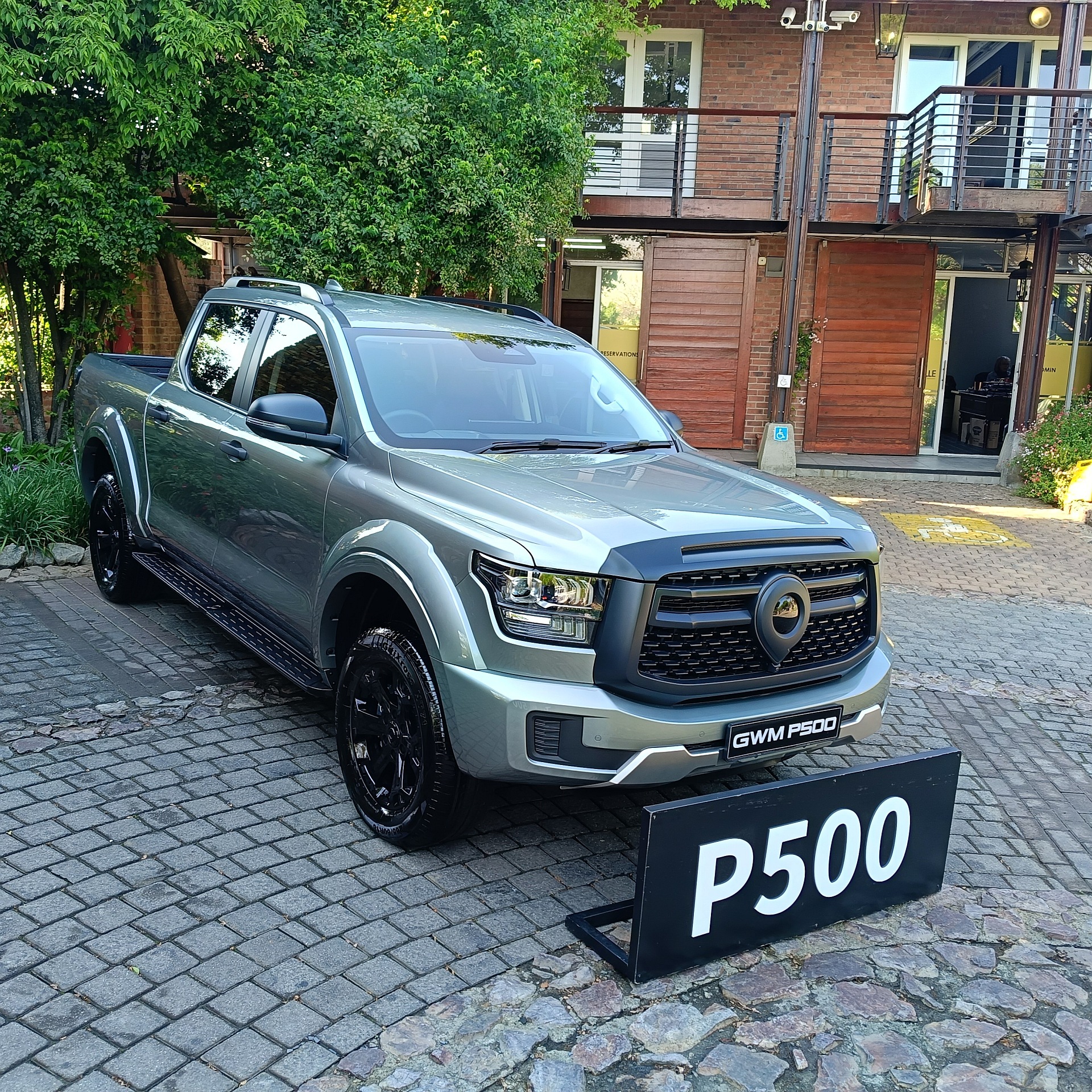
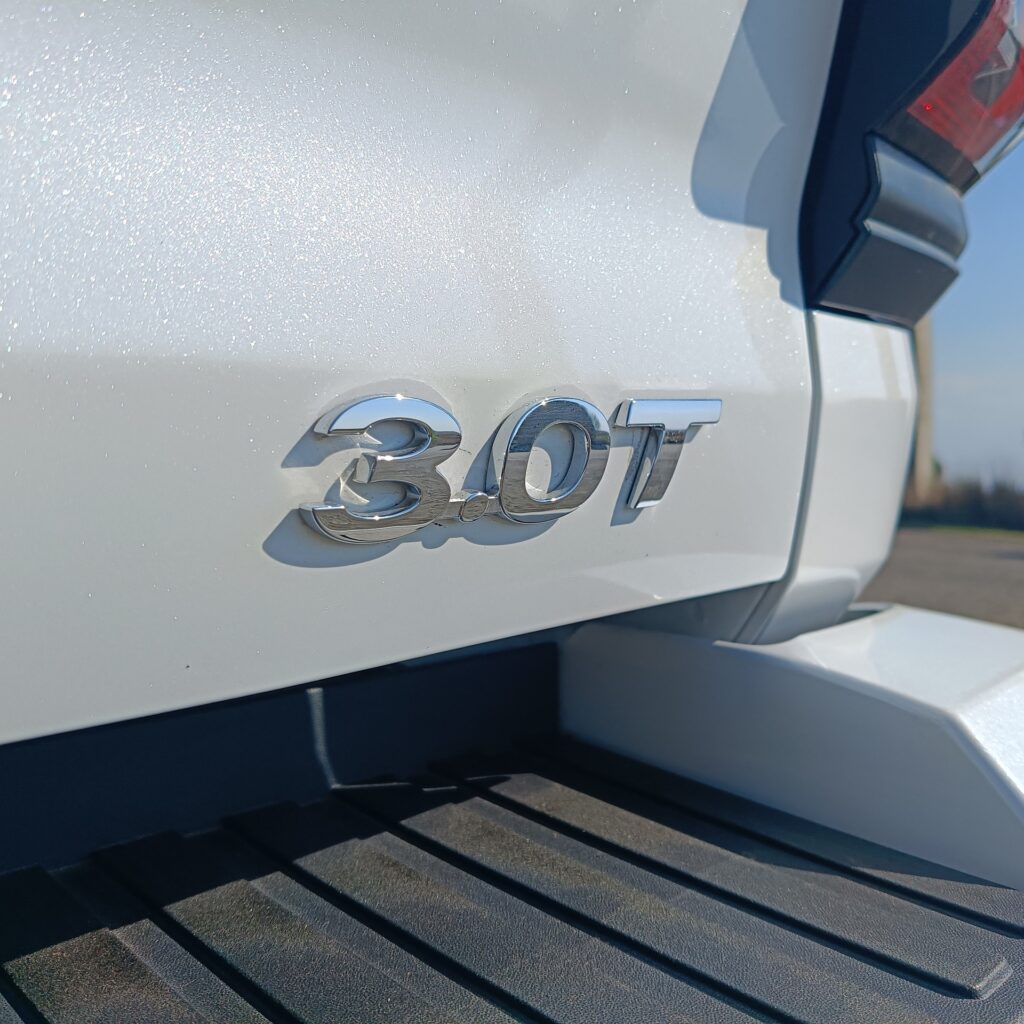
We (royal “we” meaning media and customers) have been telling our audiences and GWM SA the same thing for two years: the Tank 500 and P500 look the part, sit in the right segments and are equipped very well. What was not in the menu was the rather thirsty petrol-hybrid as the only option. This week, at last, the company answered with a 3.0-litre four-cylinder turbodiesel that feels purpose-built for our market.
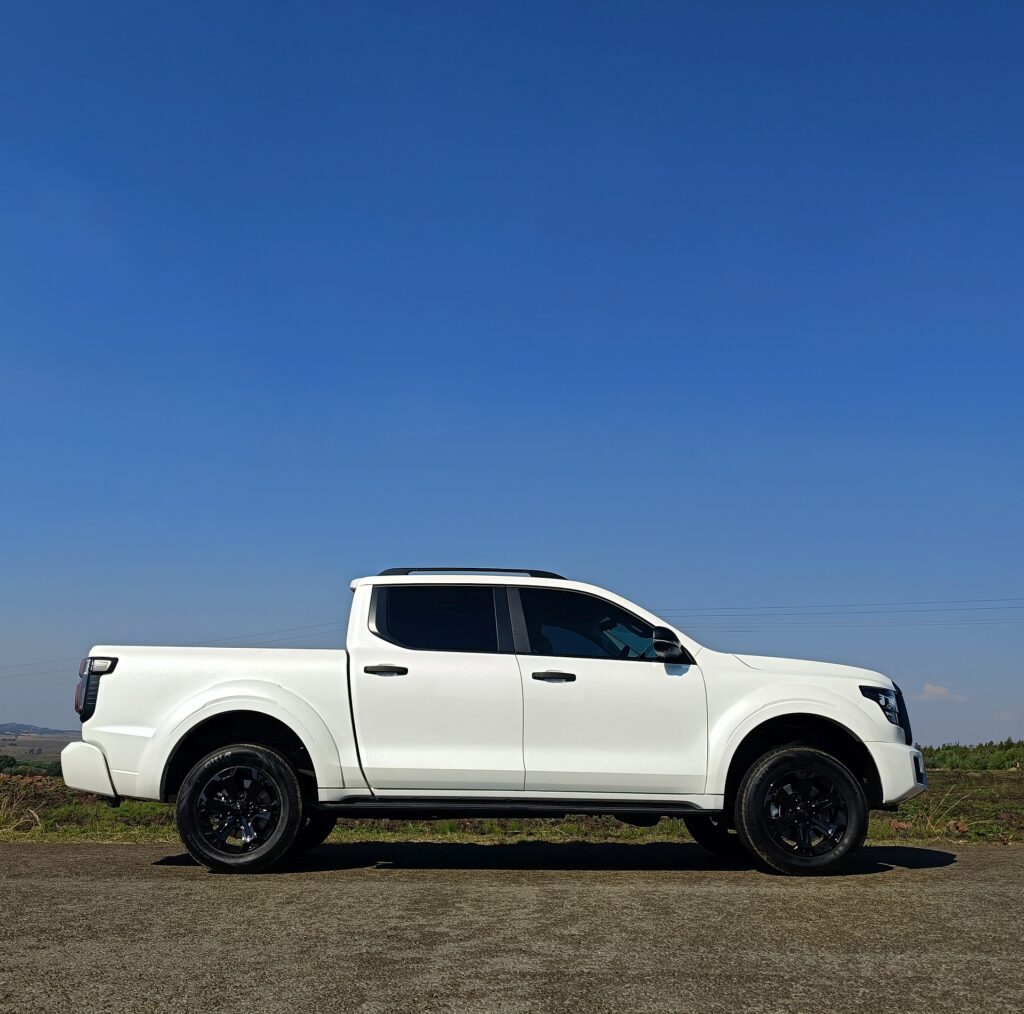
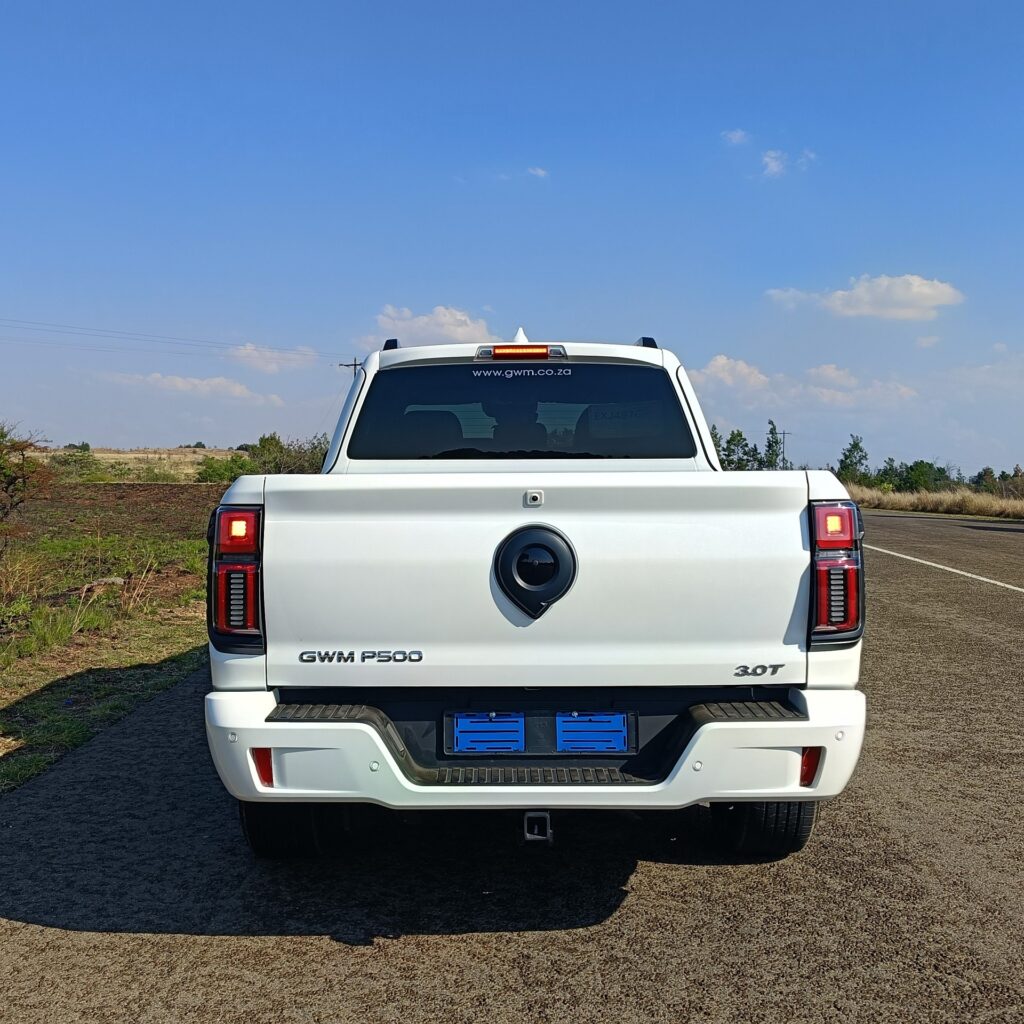
The new engine internally codenamed GW4F30, produces 170kW of torque and 620Nm of torque, sent through to the wheels via a 9-speed automatic. I have mentioned this motor previously, including here on my interview with GWM Powertrain Director Michele Scotti. So anticipation for it has been high ever since GWM first mentioned it at the 2025 Shanghai International Auto Show.
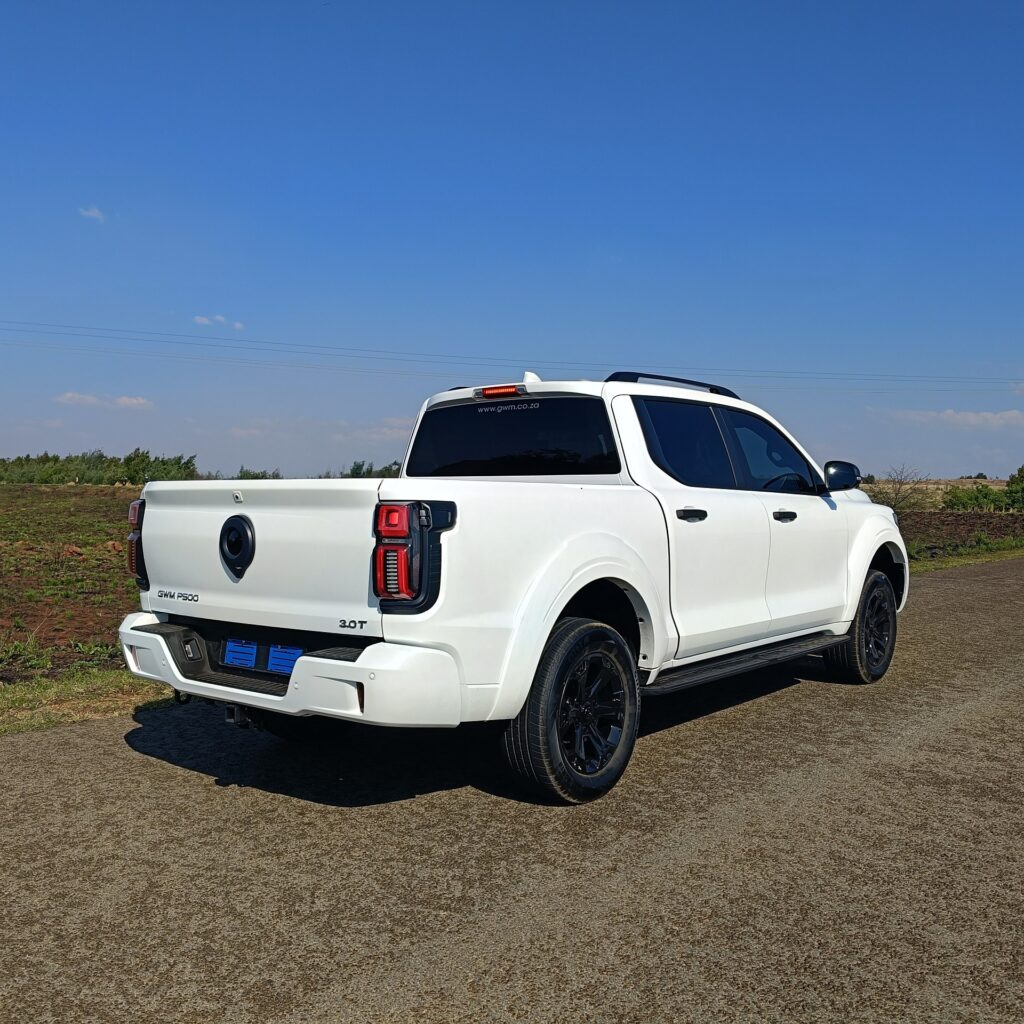
Of course the surprise – at least for me – was that it’s not a V6, but a 4-cylinder unit. During our chat, Scotti did explain that the packaging for this one was preferred at four pots, rather than the fancier, more “marketing-friendly” V6 moniker which can complicate matters technically. On the Tank 500 the claimed combined figures are 6.8 L/100km for the 4×2 and 7.1 L/100km for the 4WD. I drove both here in Gauteng and the North West at high altitude of around 1 500m average, and the distances were not that long to be fair. We did see ranges of about 700km in the main, but of course that will remain to be tested under “real-life” conditions at a later stage. The P500 sits in the same ballpark. That is a world away from the old 2.0-litre petrol HEV, which can drink like a whale. This diesel is exactly what these two vehicles needed.
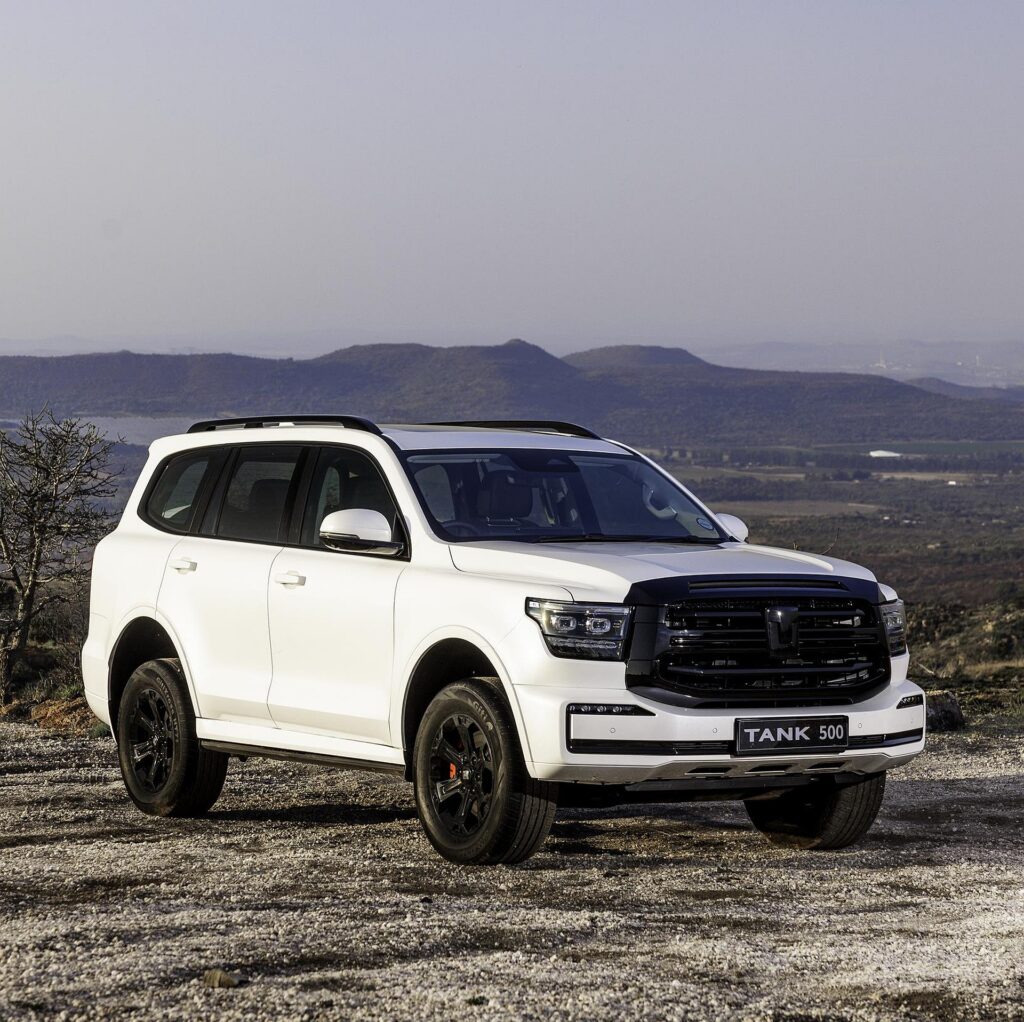
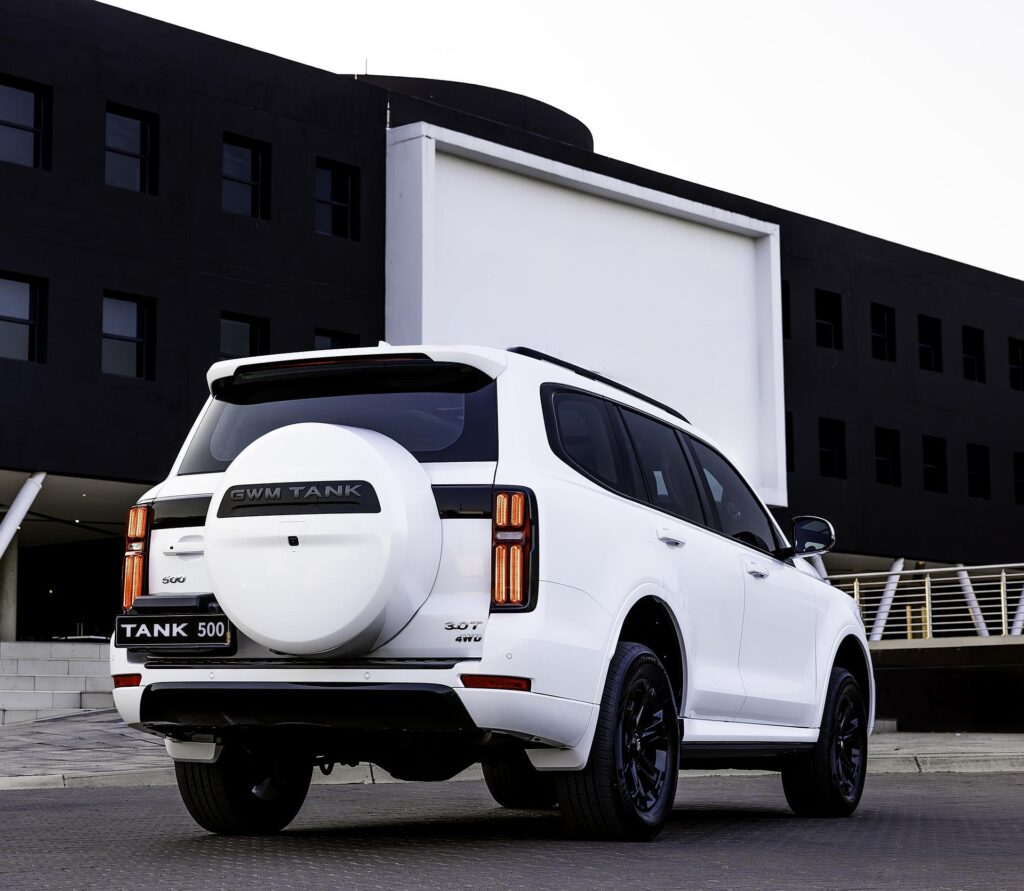
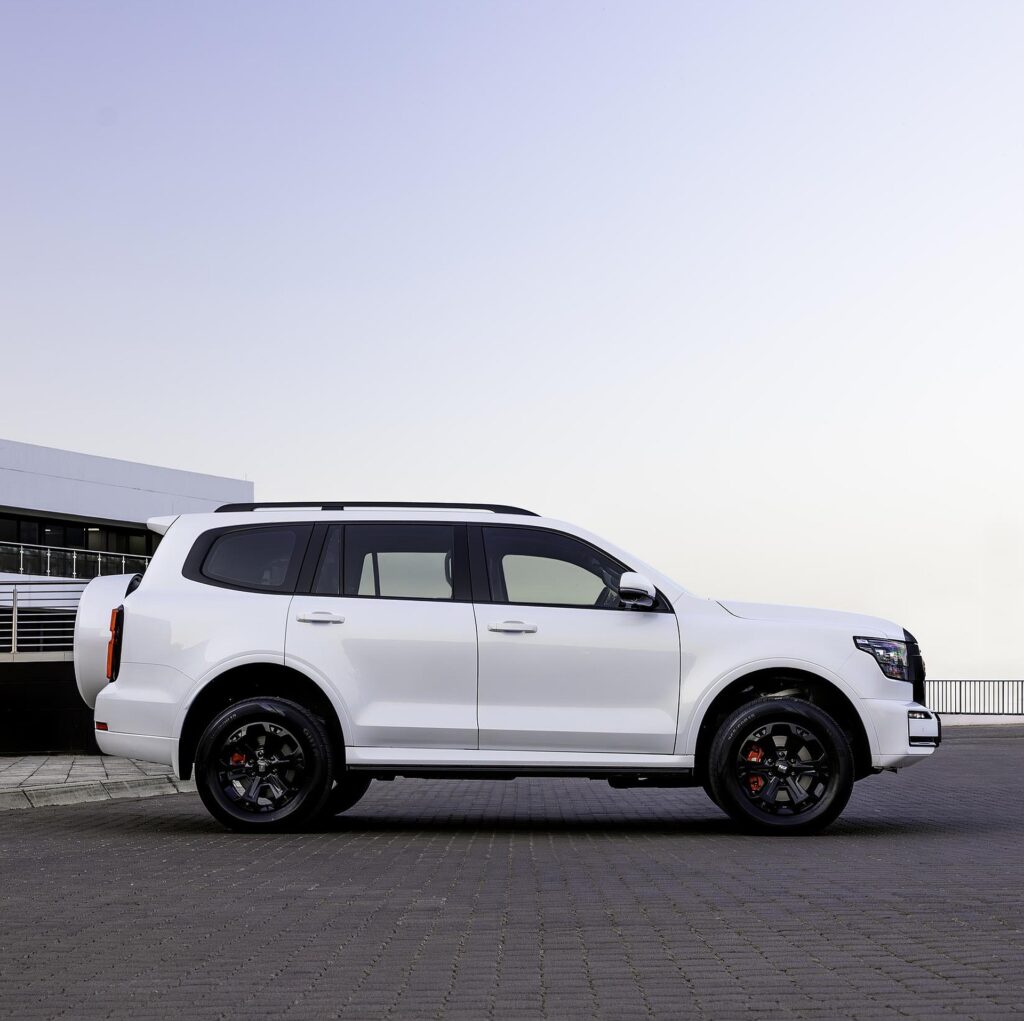
An Overland model is listed as the top-of-the-range Tank 500 and it can take an auxiliary 53 litre diesel tank on top of the standard 78 litres. Theoretically then, that stretches claimed range past 1 800km. Again, that remains to be tested. Therefore if your new Tank 500 Overland was fitted with this extra tank, together you would have around 131 litres of fuel capacity available, costing – at today’s prices – about R4 300 to fill up from empty.
GWM has sold 47 800 cars in Mzansi since January 2025, enough for a 5% market share, a place in the top five LCV brands, and the top spot among the Chinese LCV (Light Commercial Vehicles) names. The P500 bakkie is aimed at buyers aged 30 to 55 who want power, capability and versatility, according to the GWM marketing department. The Tank 500 on the other hand, being a large SUV, is sold on presence, luxury and the same off-road ability as the bakkie sibling. Both now have the engine that matches those briefs.
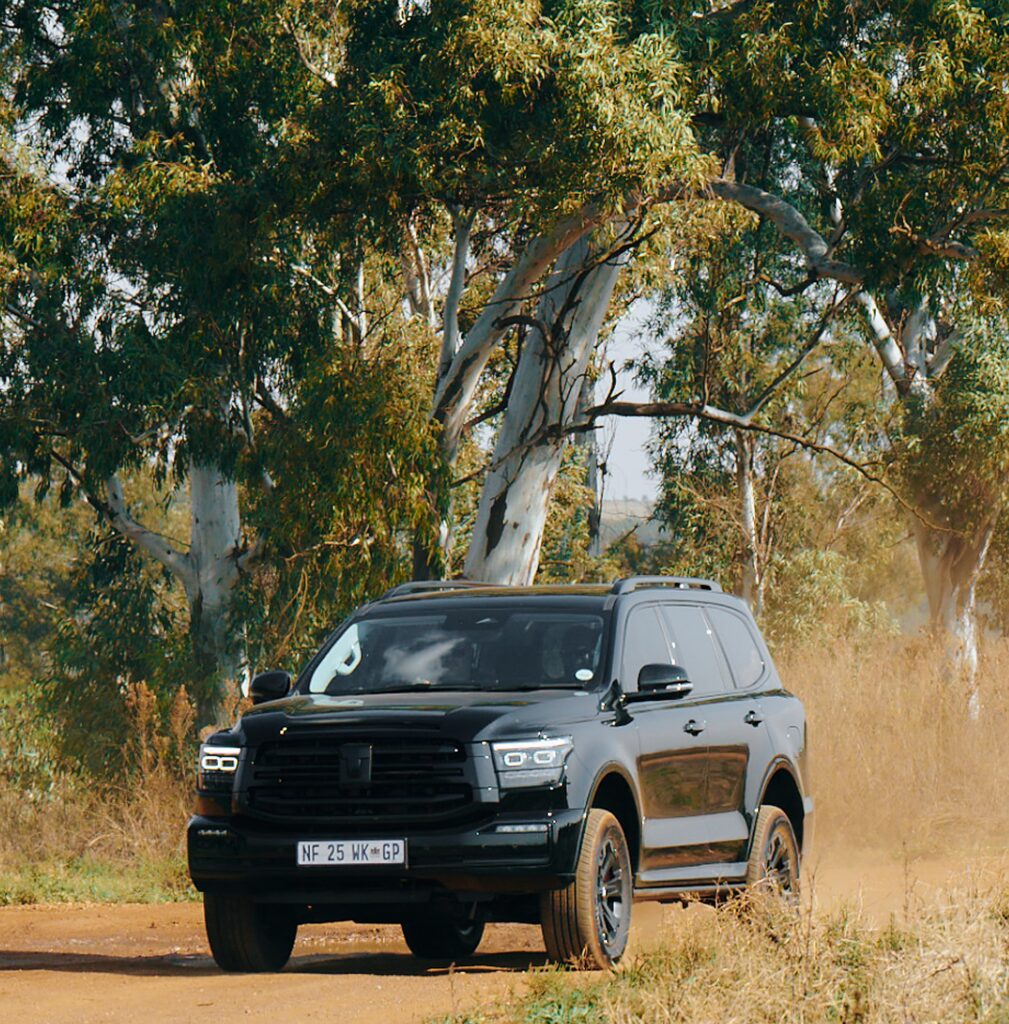
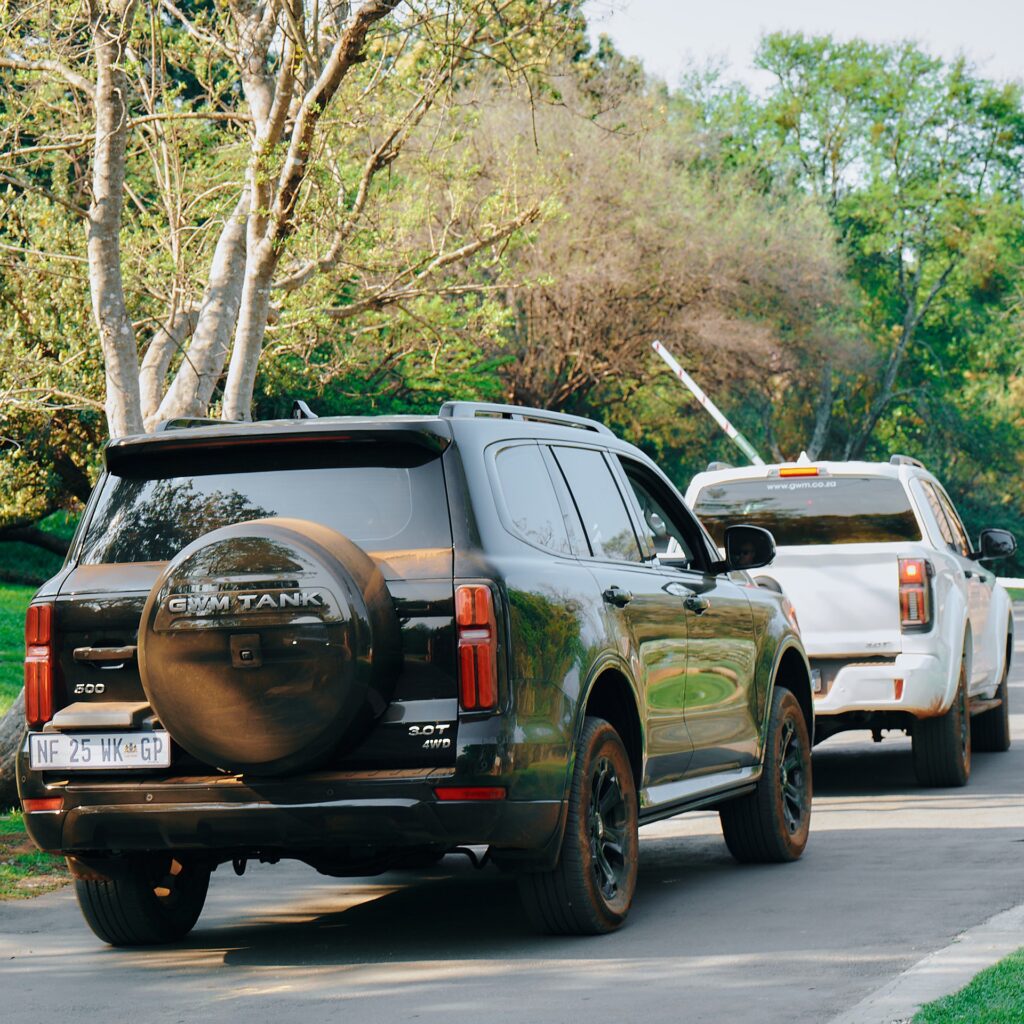
My driving partner was questioning the power unit, wondering out loud if it feels like the amount of power and torque listed. For me, the way the diesel delivers its torque is the first thing you notice. It does not arrive with the sudden shove of a small turbo or the electric punch of a PHEV. It builds in a smooth, gradual wave. Torque comes in strong from low revs (GWM talks about 385Nm from 1 000rpm) and it never feels unexpected. You simply ask and the vehicle answers. On the open road that makes for relaxed, unhurried progress. On a gravel road it means you can meter the power without the rear stepping out because the boost arrived a second too late.
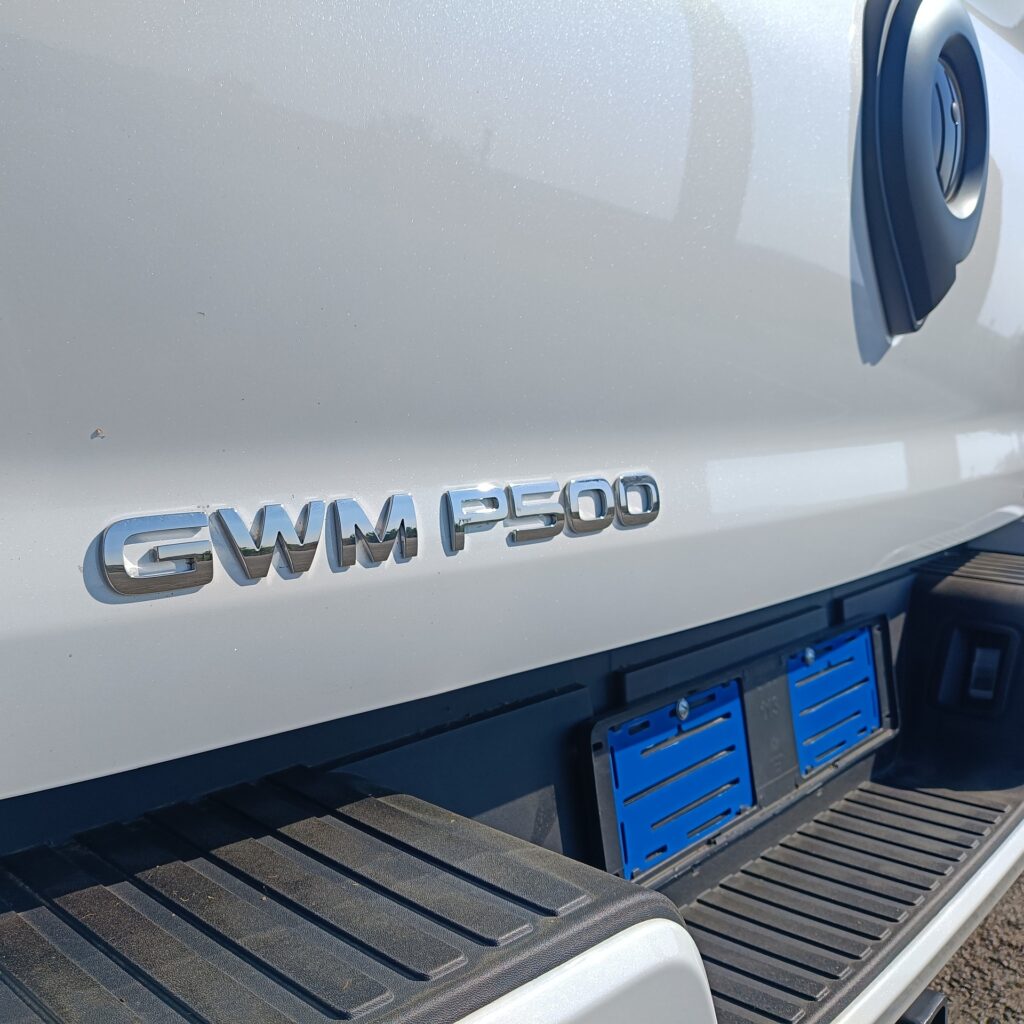
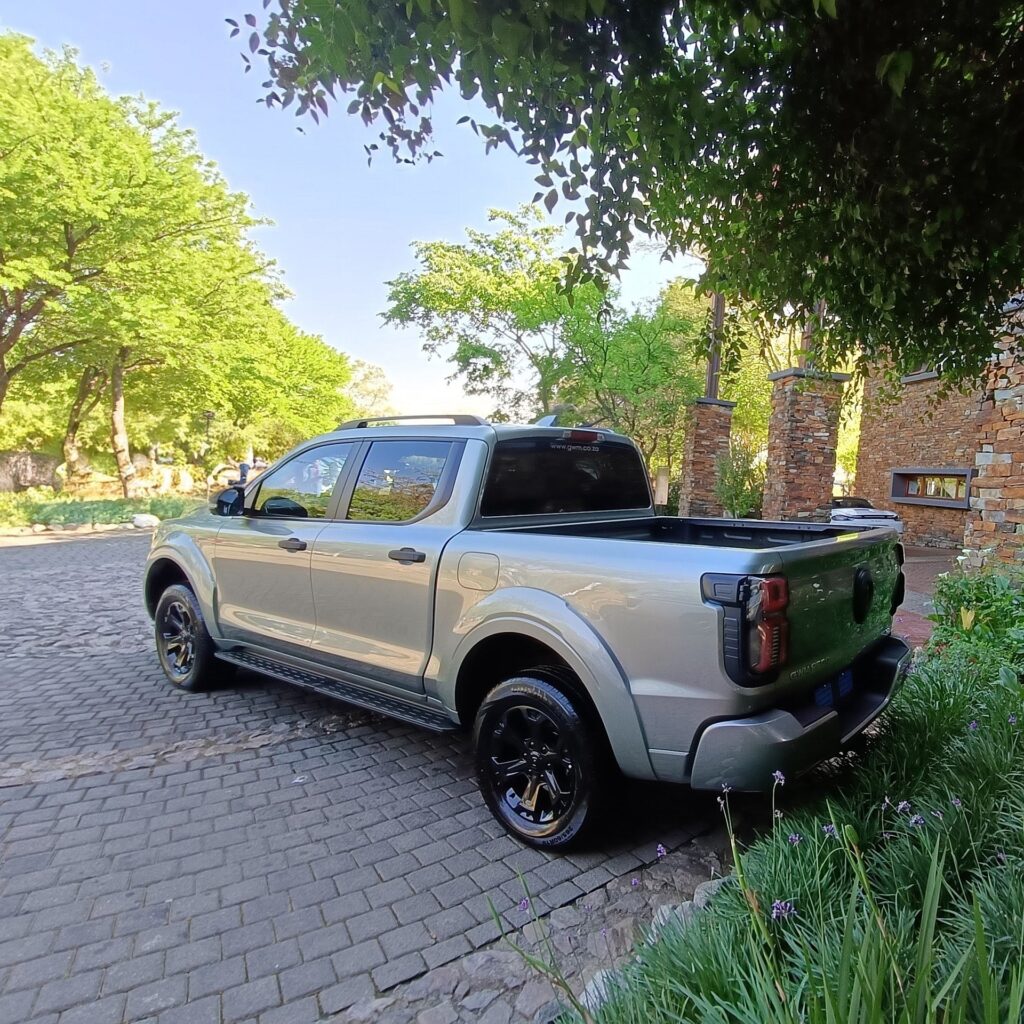
That last point matters on the P500 4×2. My driving partner found the 2-wheel-drive bakkie a little skittish on loose gravel. The rear end was a tad too light when you are not carrying a load, and without the security of a driven front axle the tail can wander if you get enthusiastic. It is not dangerous, but it is a reminder that the 4×4 is the version most Mzansi owners will actually want if they leave the tar. The 4×4 adds 2H, 4H and 4L plus the usual locking hardware. Both vehicles are rated to tow 3 500kg braked, which is the number that matters if you own a boat or a trailer.
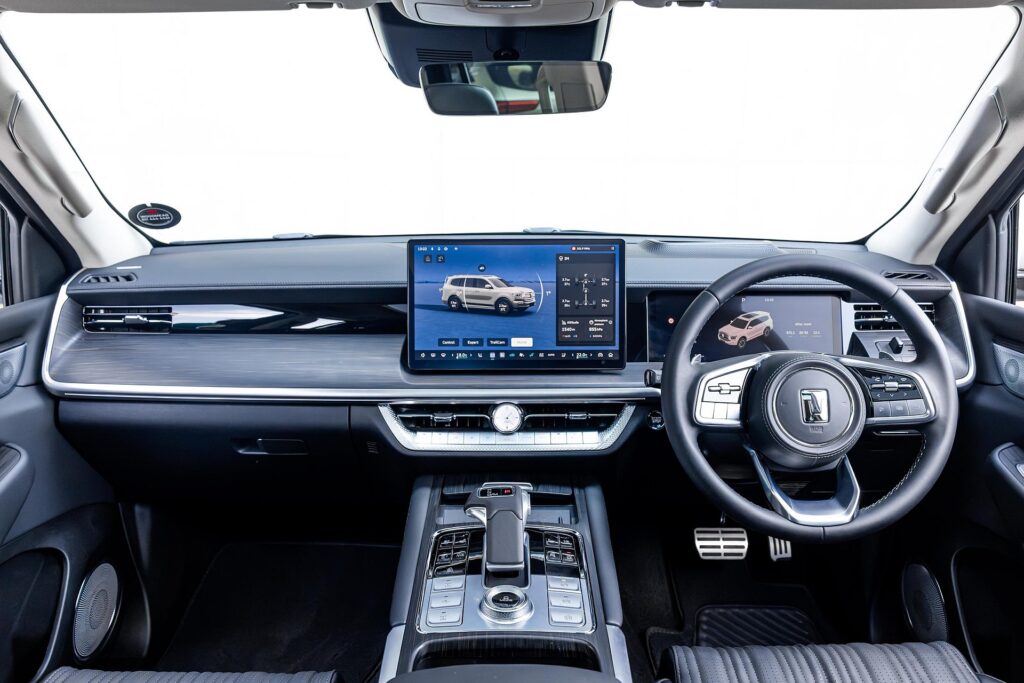
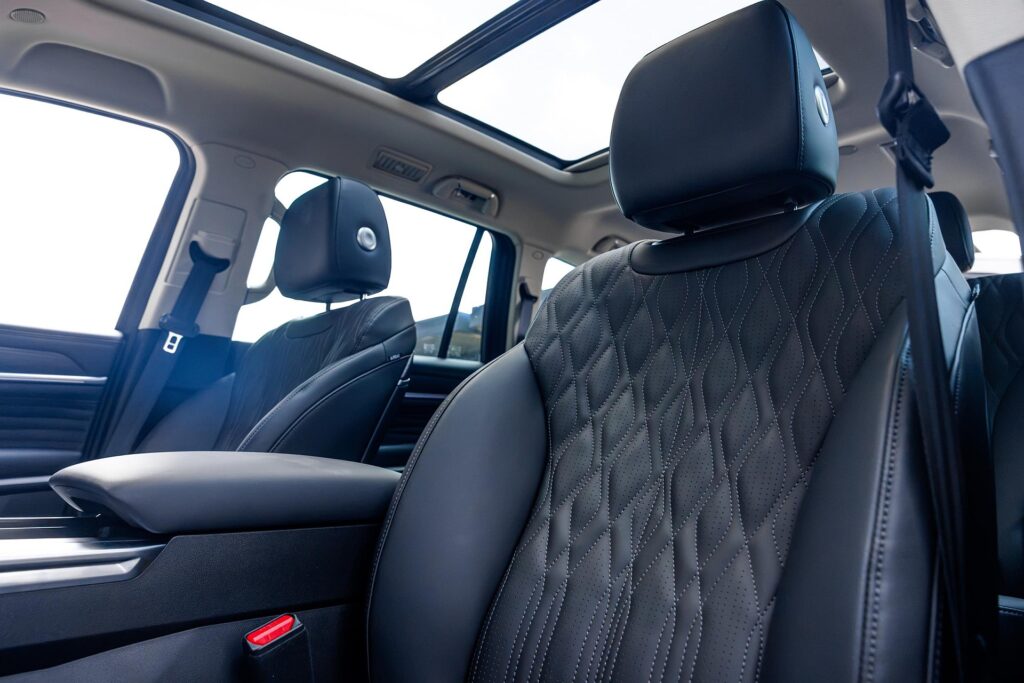
Inside, both cars are large and spacious. Legroom in the second row of the Tank 500 is generous even with the third row in place. Loading space seemed a tad limited on our short trip though. The P500 double cab offers a similar story: adults sit properly, not perched. The 37cm touch screen and 31cm digital cluster are the same family of hardware GWM has been rolling out, now running the company’s Coffee OS 3 operating system, with an off-road intelligence display that shows pitch, roll and the selected drive mode among other features. Seats are heated, ventilated and, on the higher trims, the massaging function is added.
Interestingly you now get a conventional drop-down tailgate in the P500, not the vertically splitting version found in the HEV. There was no explanation for this change.
The new GWM 3.0-litre turbo diesel is not a V6. If that is a negative, then the positives are that claimed efficiency looks good for the size of the vehicles and features are top notch, as we have come to expect. For the buyer who wants a big, premium bakkie or 7-seat SUV, and who is keen on big diesel benefits, the P500 and Tank 500 respectively finally make sense. The hybrid was never the wrong idea per se. It was just the wrong idea for this country. GWM has now corrected that.
PRICES
P500 3.0TD 4×2 Super Luxury – R724 900
P500 3.0TD 4×4 Ultra Luxury – R799 900
Tank 500 3.0TD 4×2 Super Luxury – R849 900
Tank 500 4×4 Ultra Luxury – R929 900
Tank 500 Overland 4×4 – R999 900