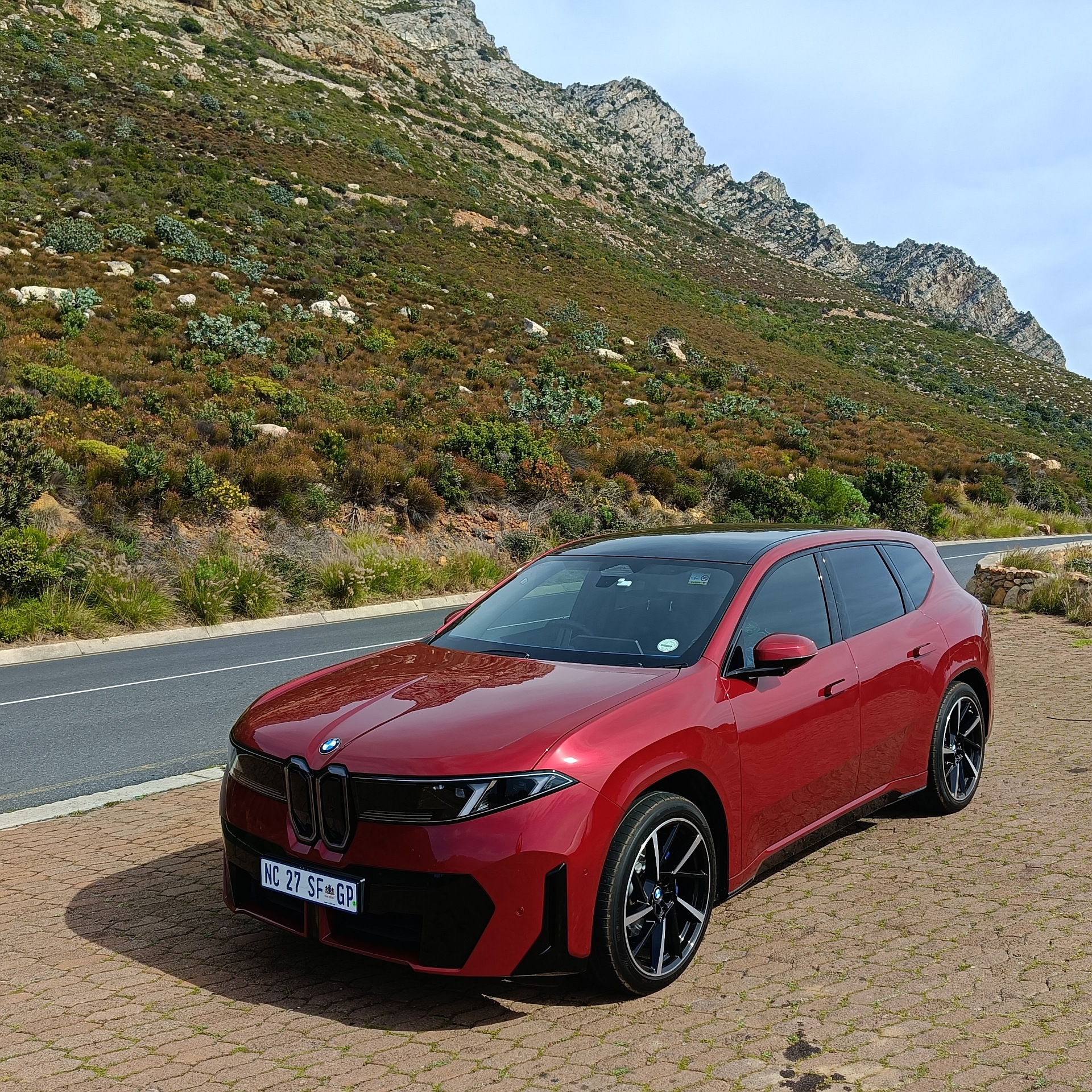
Finally walking up to the all-new BMW iX3 in the metal, and the first thought is not “electric X3”, unlike the previous-generation car. This thing is handsome. Properly good-looking. The new body is clean, the grille is a graphic rather than a fossil, the tail lights run almost full width, and the posture on 22-inch wheels stands right. BMW will be offering 20-inch and 21-inch options as well. Nine exterior colours are offered, the brightest being something called Vegas Red metallic. Whatever shade they parked in the Stellenbosch light, it worked. Of course I had already Tweeted a picture of one “silently” cruising down the R21 last week, and reactions were largely positive. A few did not think it’s a handsome car, and that’s fine. We can’t all be right.
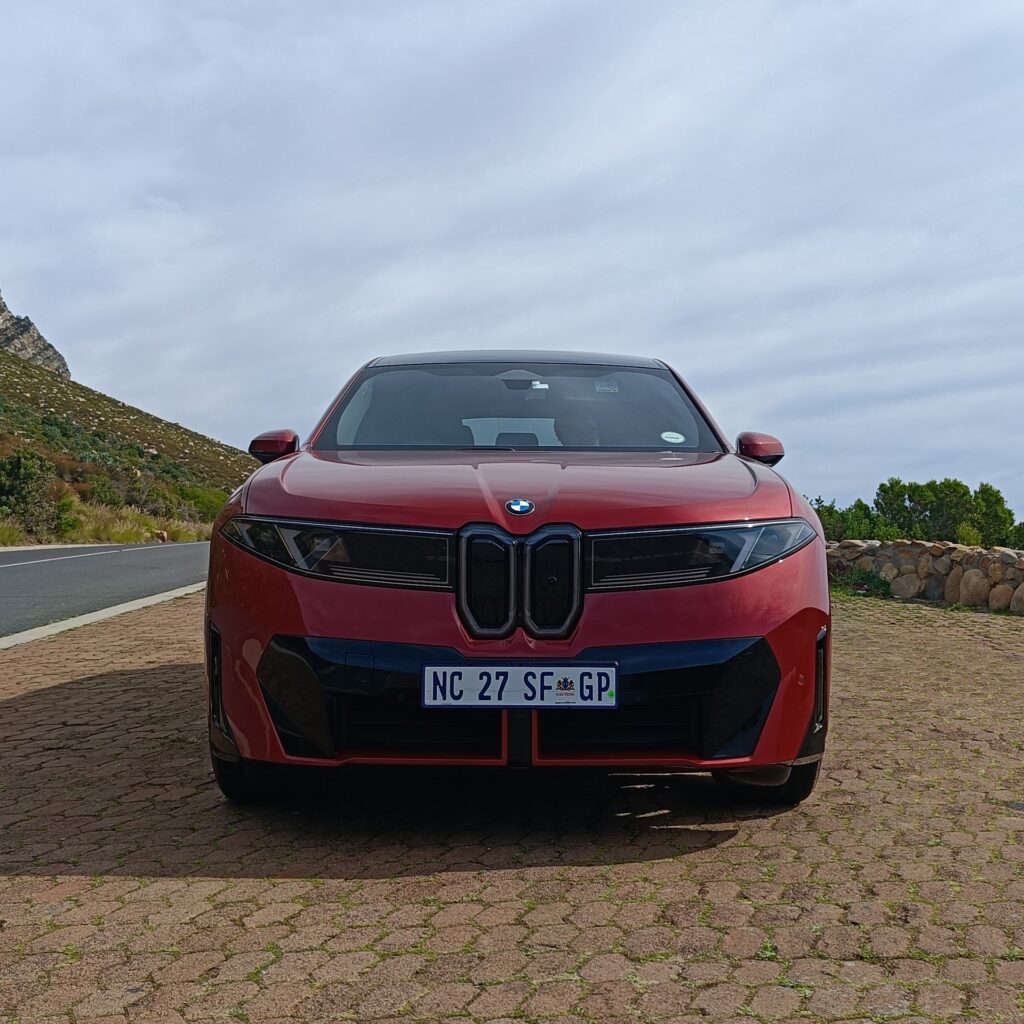
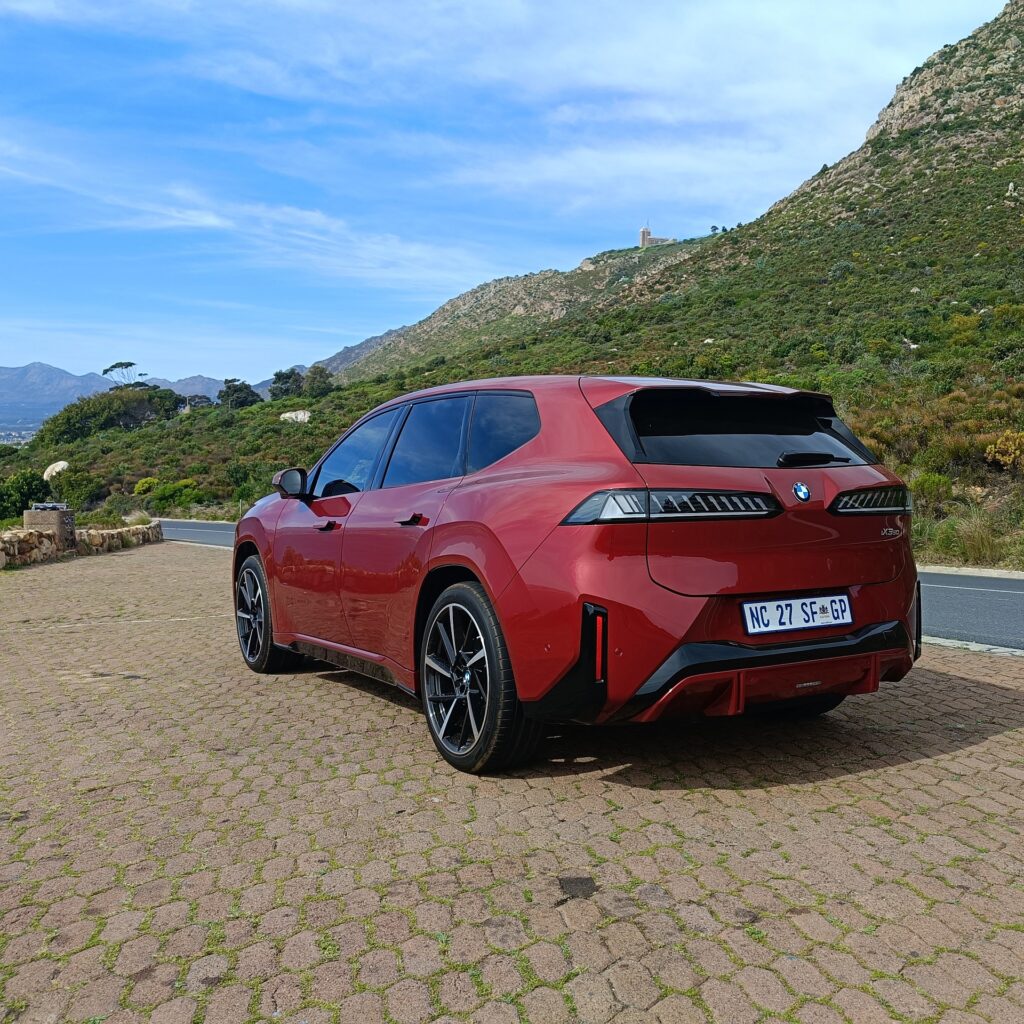
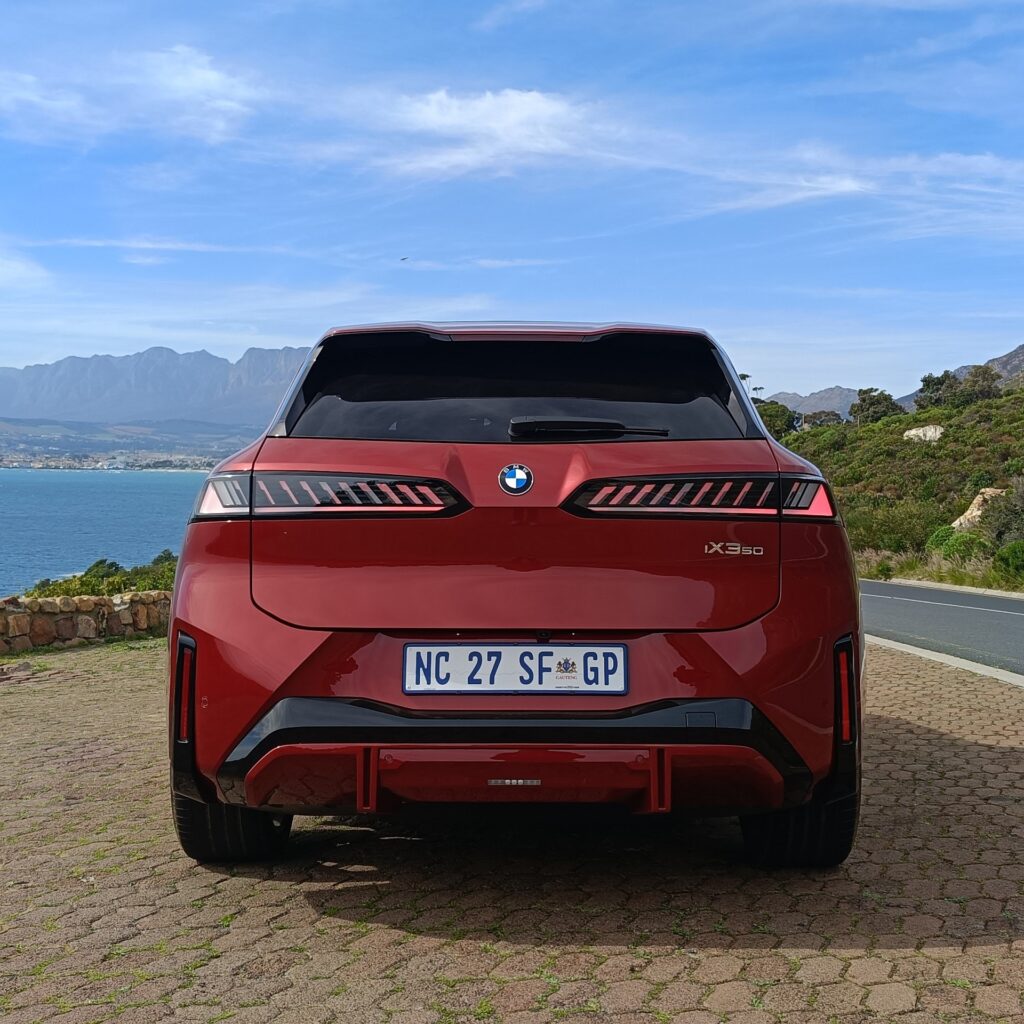
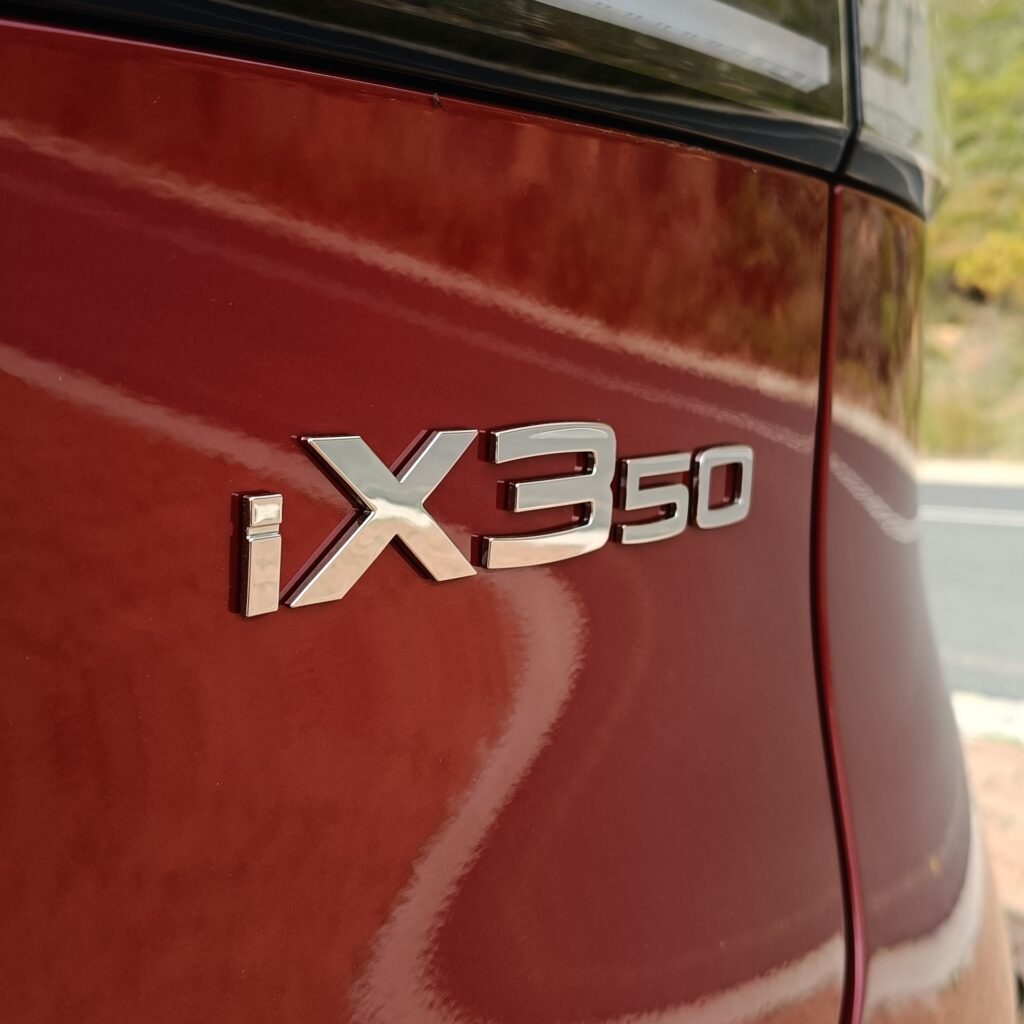
This is the first production “Neue Klasse” car, and BMW is not being shy about it. Clearly separated from the X3 from the front to the rear, to the interior. BMW built the new iX3 around its EV architecture, not the other way around. Unlike the previous-generation car. A completely new 800-volt architecture, sixth-generation battery pack using cylindrical cells. And the pack itself is the floor of the car, not an additional component sitting under the floor. BMW says such clever packaging enabled engineers to release more interior space and reduce weight. New body, new tech, four main “brains” are running the show. This was my first time driving a car that falls under the new “software-defined vehicles” description. I think. It is certainly one of the most tech-forward BMWs I have sat in, yet it does not feel like a science project. It feels like a product someone has already thought through for real roads.
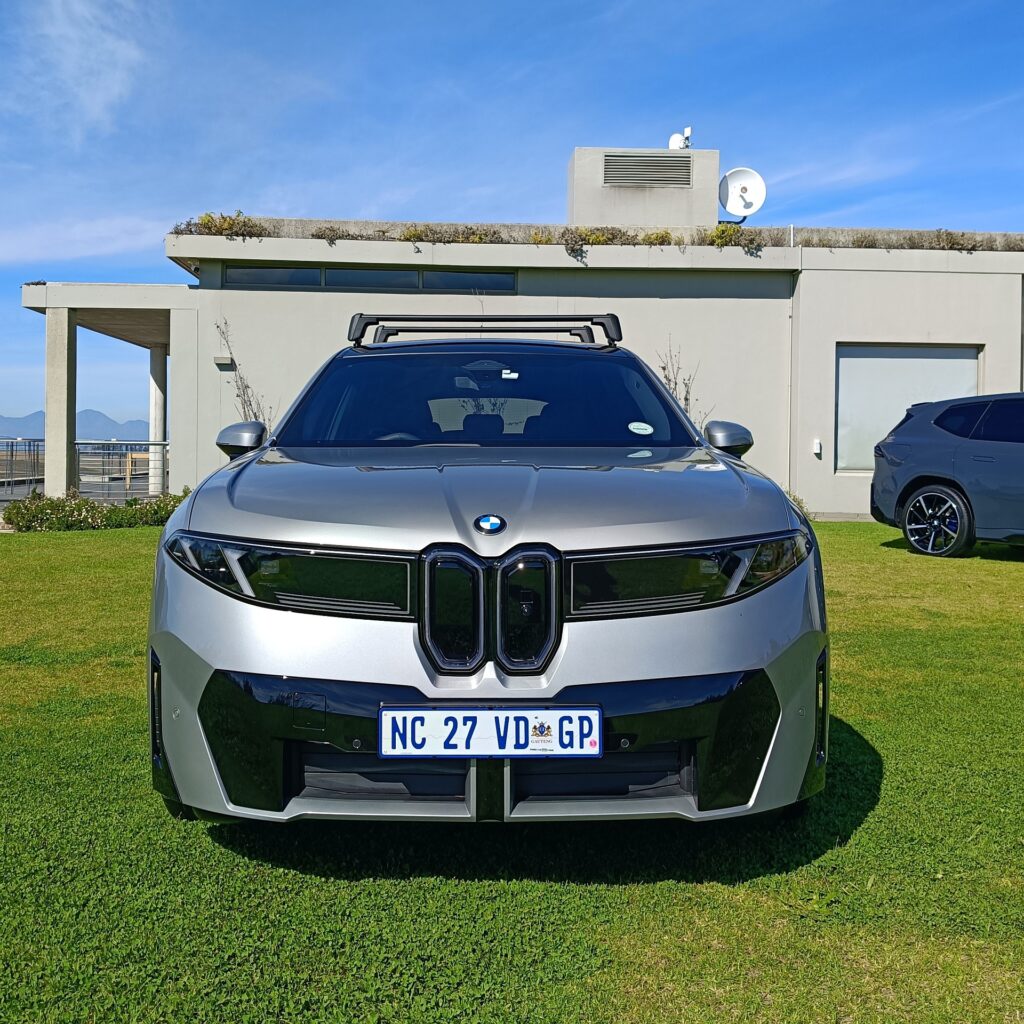
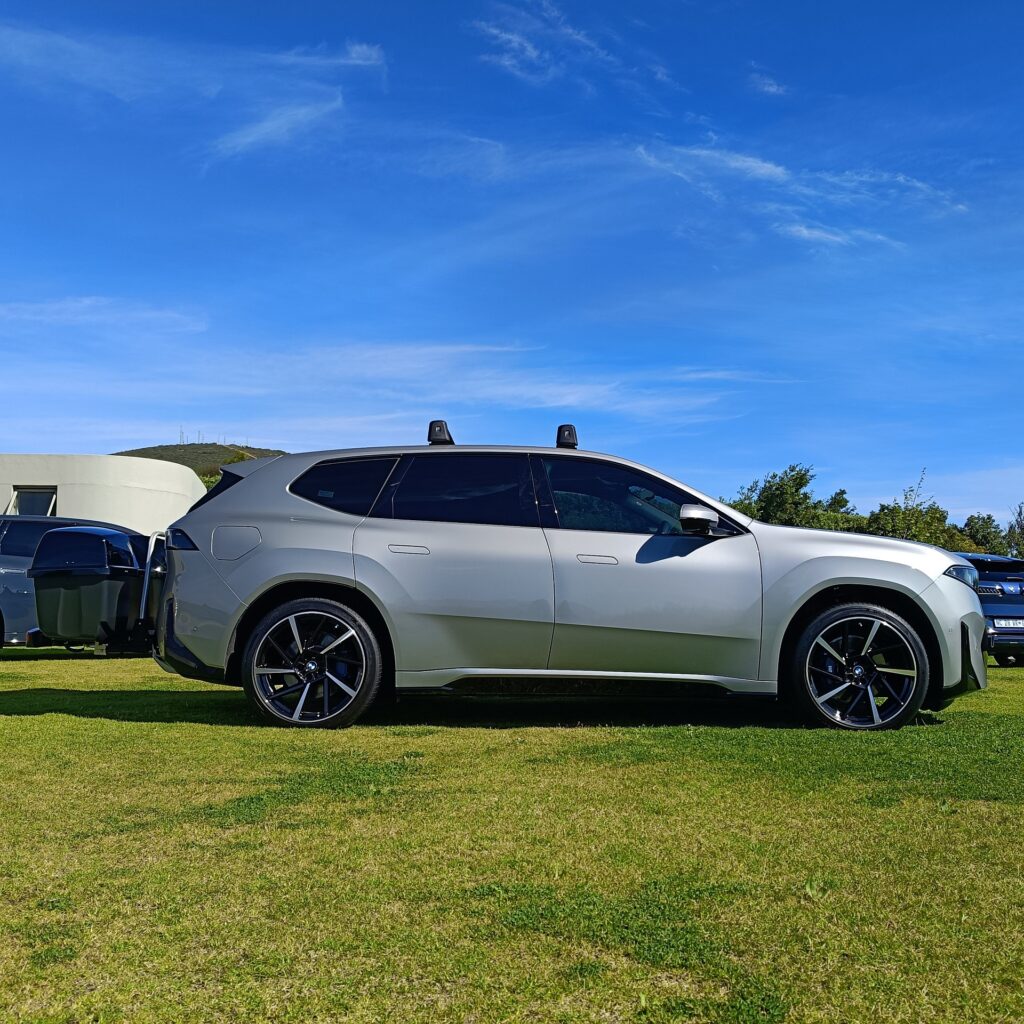
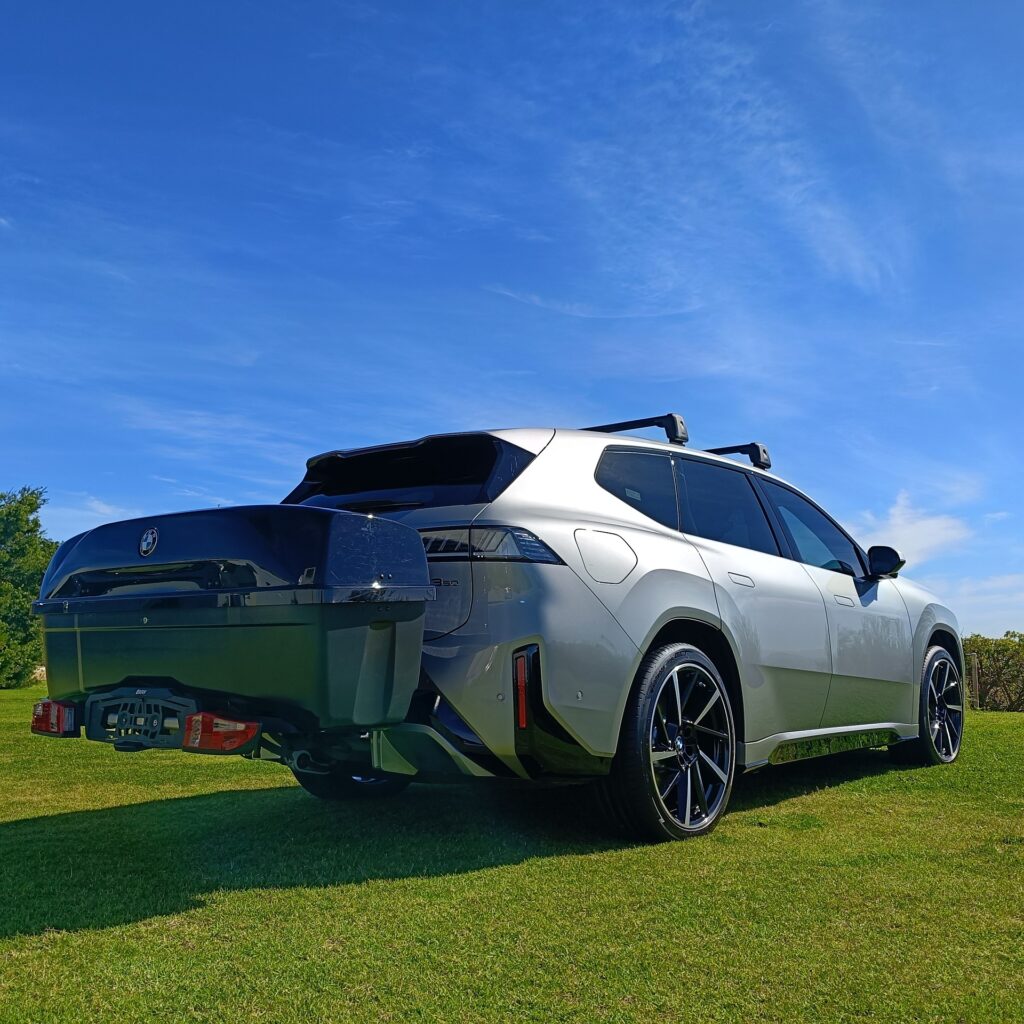
BMW’s first electric car, the i3, did feel like a science project. Looked it too actually, from every angle. At the time the company wanted to shock the world, so to speak, into noticing EVs. It worked, and the little i3 became a poster child for the brave new silent world. Later on they would merely reengineer bodies originally meant to carry petrol and diesel powertrains, to accommodate the EV demand. The all-new iX3 is an EV from the ground up.
Mzansi gets two derivatives at launch, namely the iX3 50 xDrive worth a maximum of 345kW of power and 645Nm of torque. xDrive AWD is standard in the flagship, though it is rear-wheel biased. Below that is the single-motor iX3 40 (235kW, 500Nm) with rear-wheel-drive and a claimed range of around 650km. I did not get to pilot that model at the launch, so hopefully there is a unit available later for road testing. Official range on the 50 is quoted as high as 820km, which is the highest range ever quoted on an electric BMW. Charging peak is 400kW, and I cannot wait to test its speed at some of our fastest local public chargers. Vehicle-to-load is part of the package, albeit only with an adapter and for charging/ running certain minor appliances like kettles, laptops etc. Those are the brochure numbers. The best part comes with the driving.
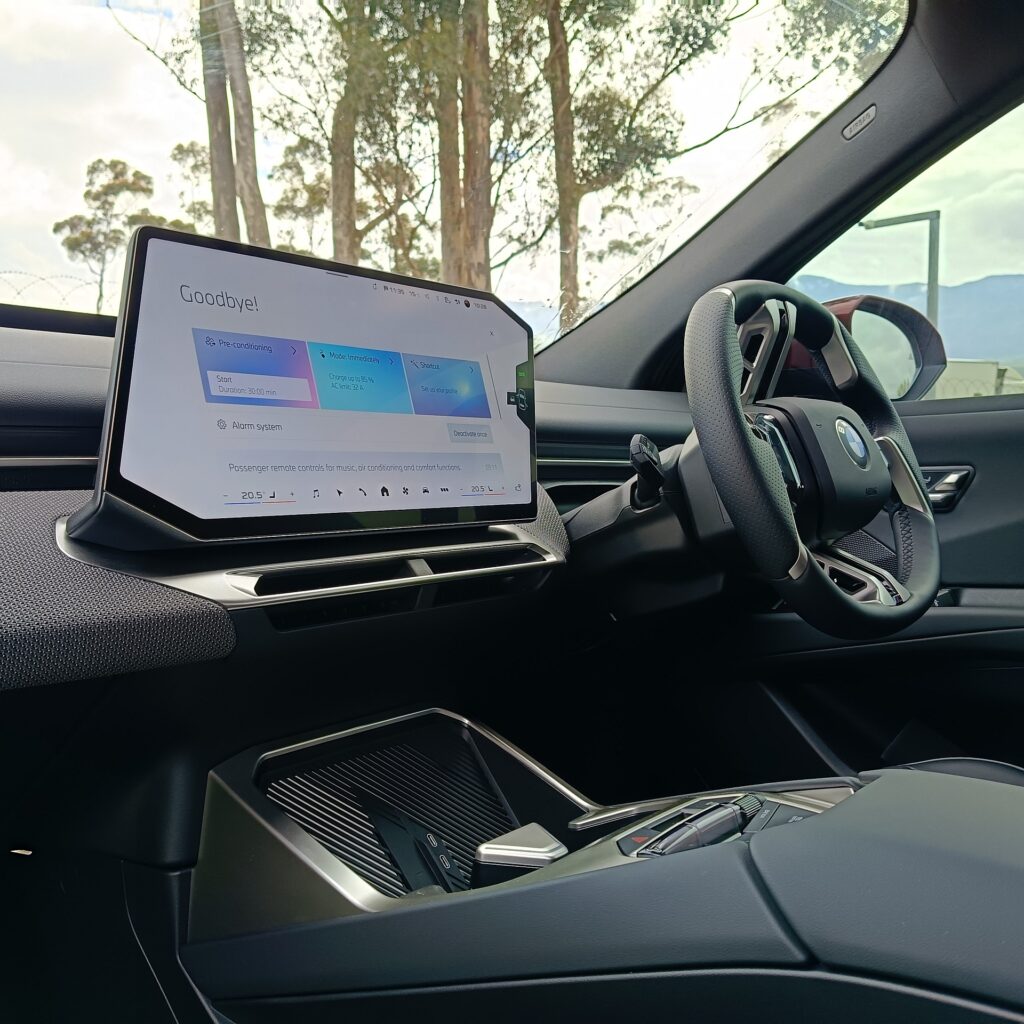
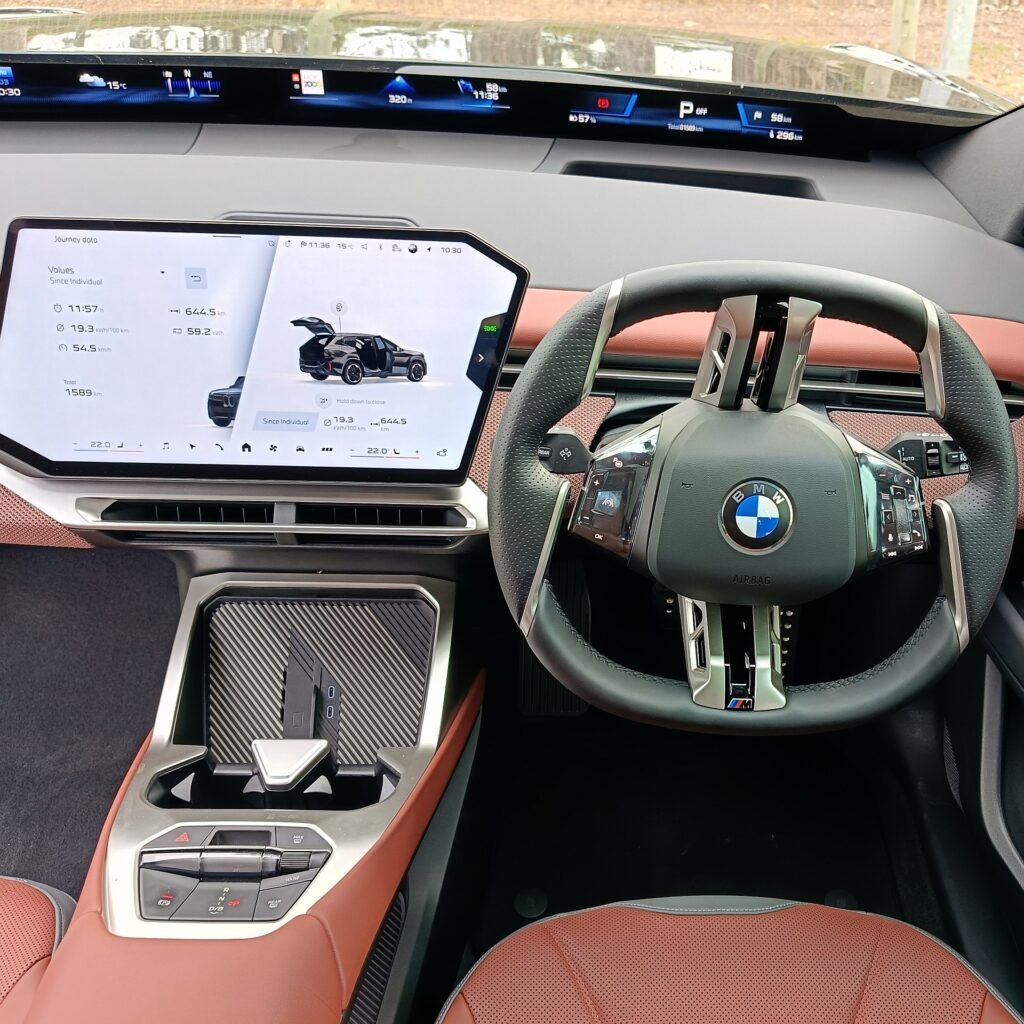
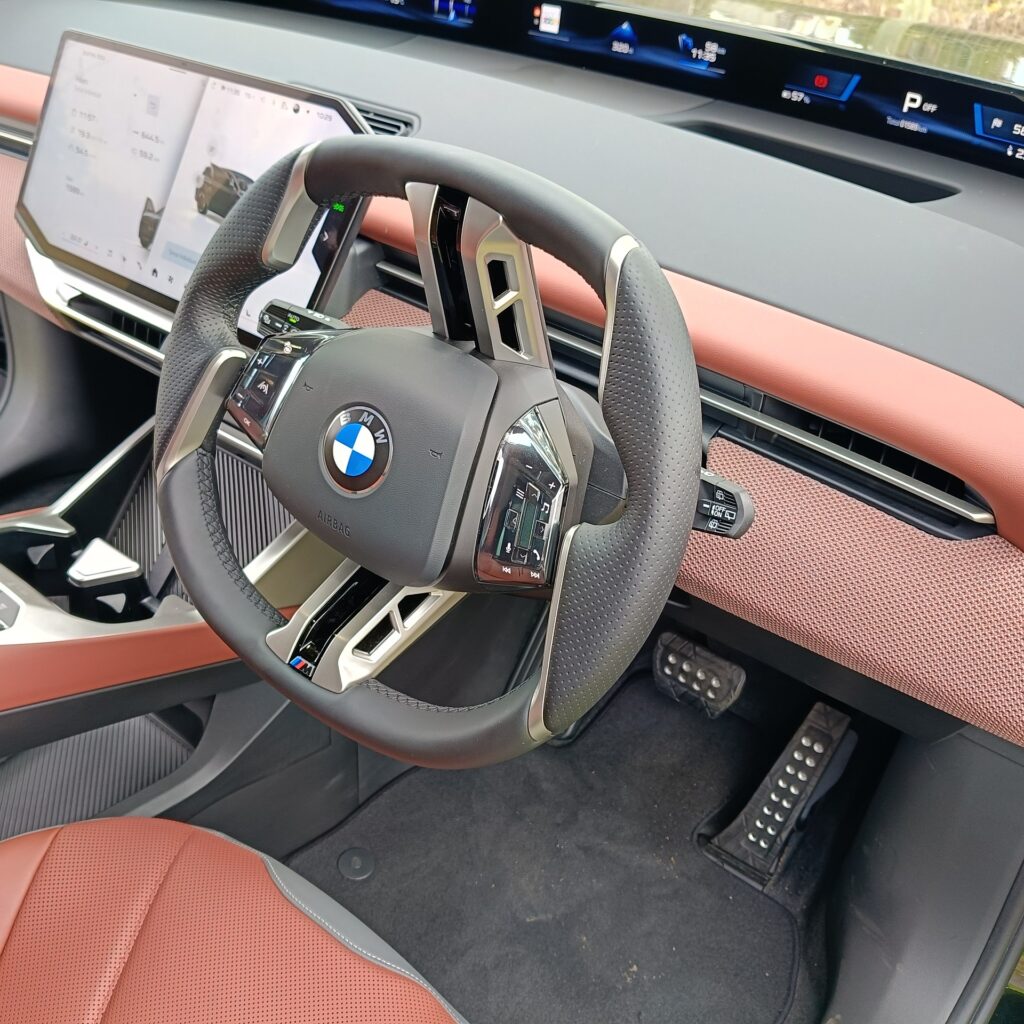
I covered a little over 100km between Cape Town and Stellenbosch over two days. At the start of the loop the range readout said 520km. however, I could not tell, from the car or from the briefing, whether that pack had been sitting at 100% prior to the drive. So let’s treat that 520km as a snapshot, not a final verdict. Also, that figure is already ahead of a real-life figure we saw reflected on an indirect Swedish rival recently. What I can say is that the car never felt anxious. Throttle response was expectedly swift, instant in the way a dual-motor EV should be, without the lurch some rivals still cannot quite kill. Steering was very precise. Cornering was crisp. The rear-biased all-wheel drive keeps a BMW flavour: you place the nose, the rear follows. And the mass of that floor-mounted battery keeps the body settled instead of rolling.
BMW wants ADAS (Advanced Driver Assistance System) to become more of a talking point, realising that the brand has never really been associated with safety, even though it does fit in some of the most advanced automotive safety systems in the business. The new iX3 is apparently the vehicle they will use to make that argument. Euro NCAP crash score by the way, was a highly impressive 95%. Door handles still work after a crash, and there is a manual override. That might seem like an arb mention, but it could become something more serious in years to come, because China – the world’s biggest car market – is banning these electric retractable door handles soon. This would then force manufacturers to redesign their door handles going forward. I suppose those are some of the unglamorous details that matter when you are selling a R1.7 million family car. There is also a 58-litre frunk. Not huge, but enough for the charging cable and a small bag so the boot stays clean or swallows other luggage.
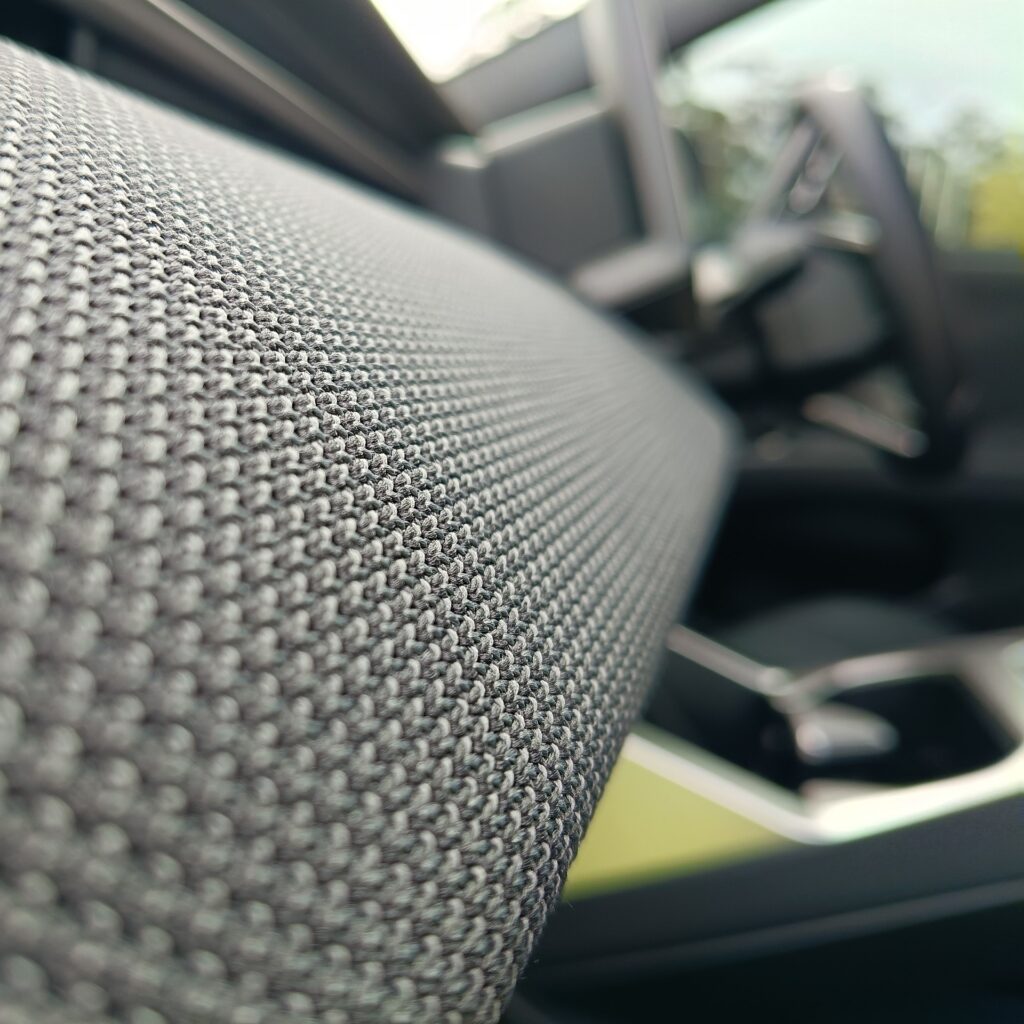
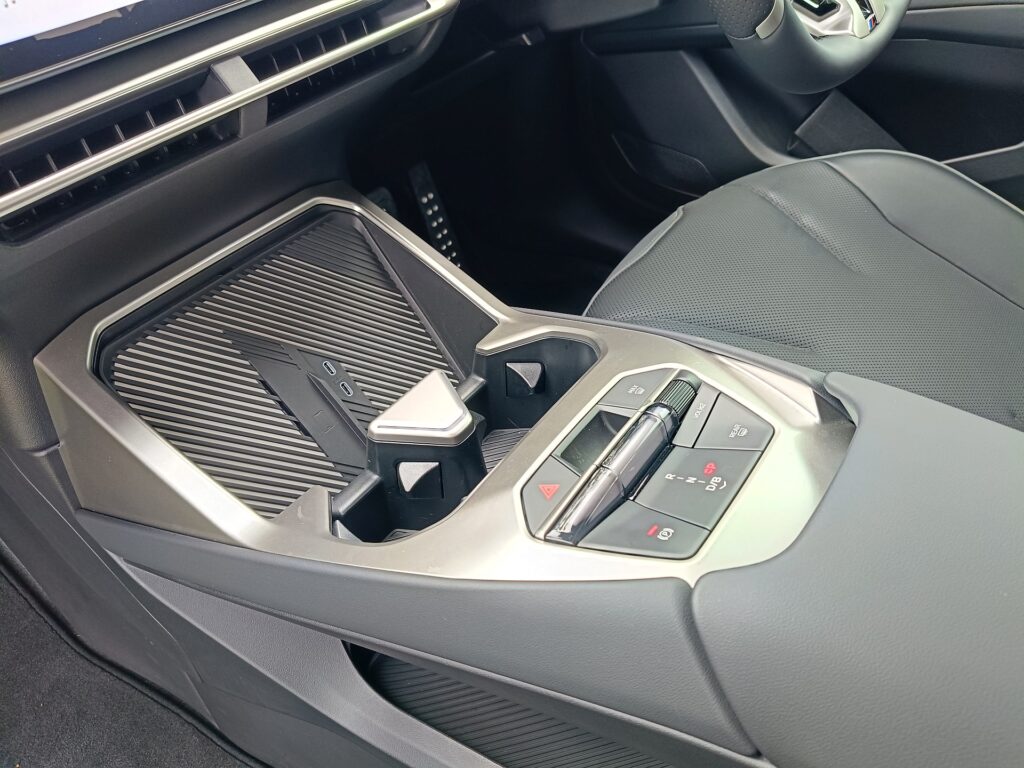
The cabin is the other half of the innovation story. A Panoramic Vision display sits across where the windscreen meets the dashboard, the centre touch screen is large 46cm and uncluttered, and the steering wheel is a new haptic piece that is sure to divide opinion. Personally I enjoy the different steering wheel designs, and they don’t affect how the hands and fingers steer. Four computers – as previously mentioned – coordinate driving, charging, safety and the interface. You feel that integration more than you notice it as the car just responds to various inputs.
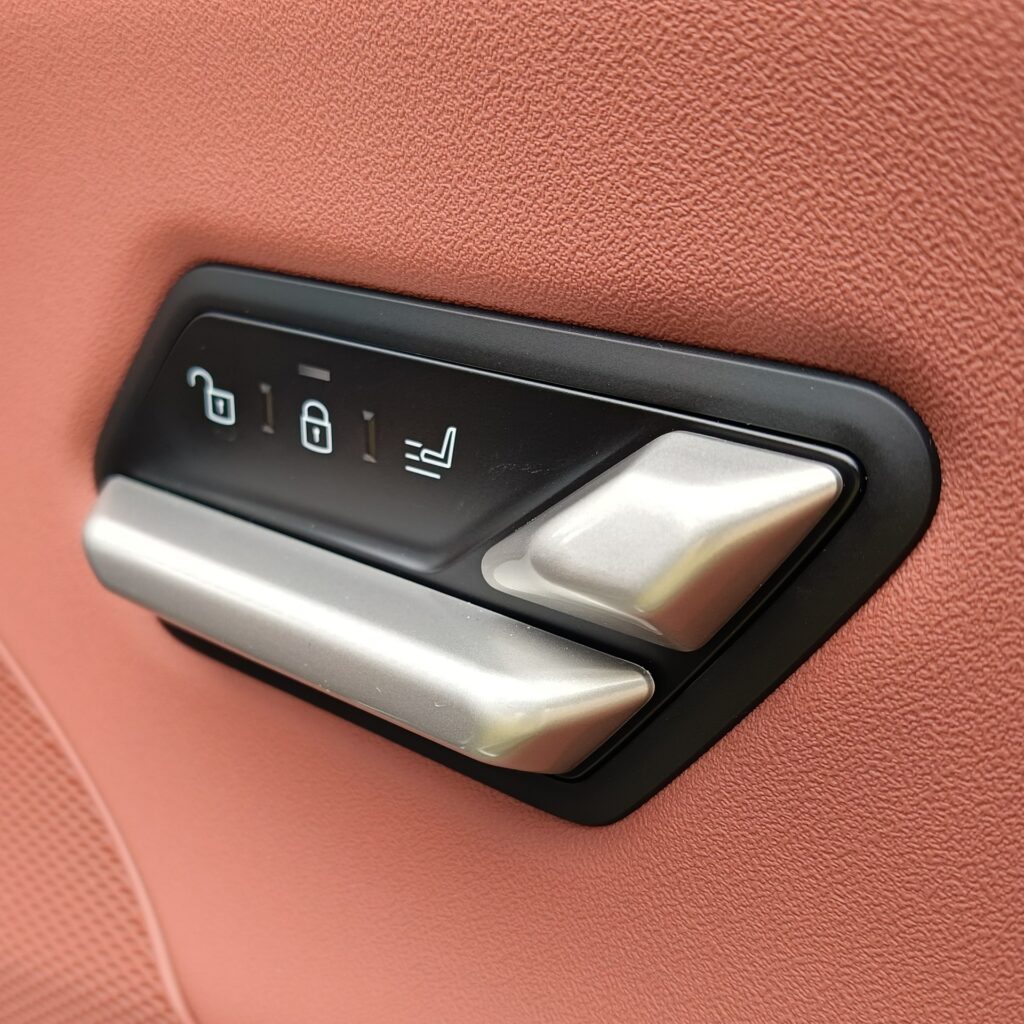
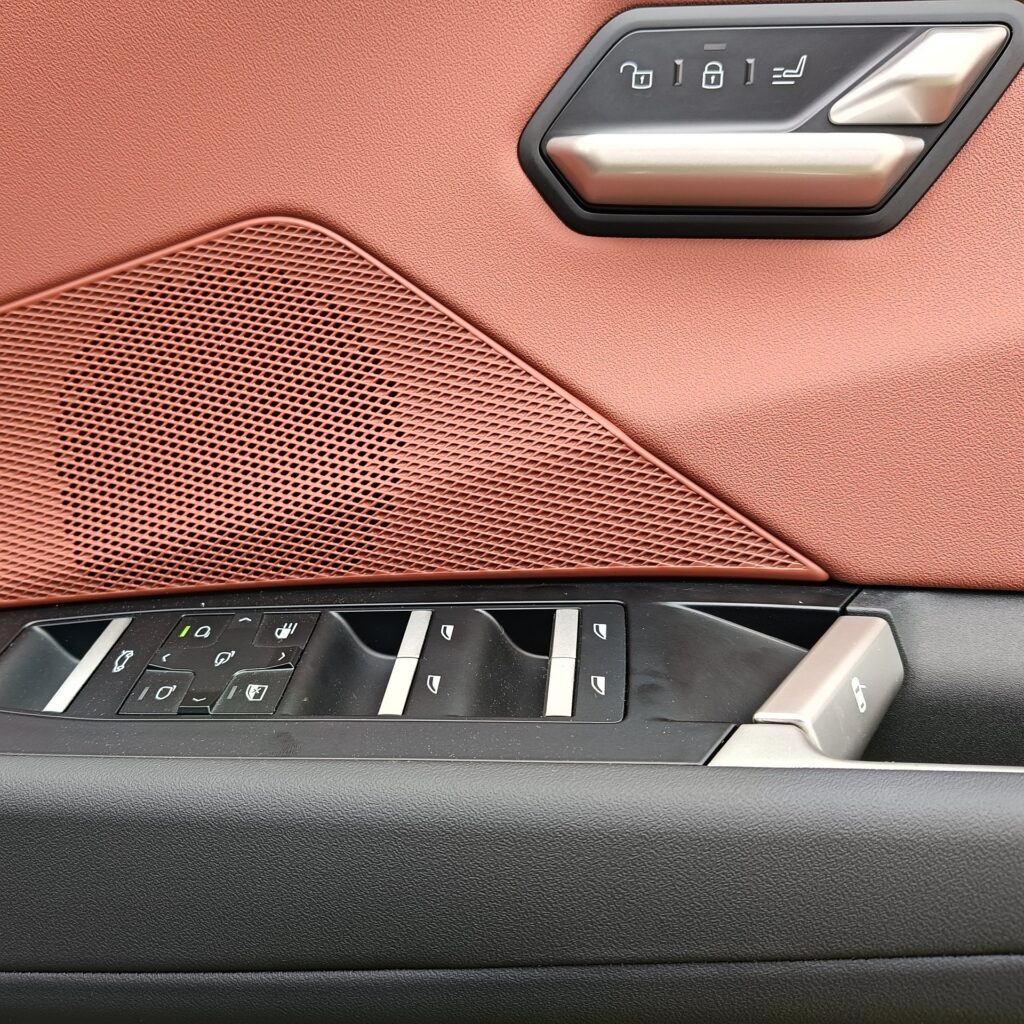
BMW has given itself a new poster child for the electric era. The all-new iX3 does not apologise for being an EV. It embraces it, even paving the way for others to follow. Judging from some of its accolades, including the current World Car of the Year cup and a waiting list as long as the claimed range, there will be strong market uptake.
BMW iX3 prices
50 xDrive – R1 690 000
40 – R1 498 000