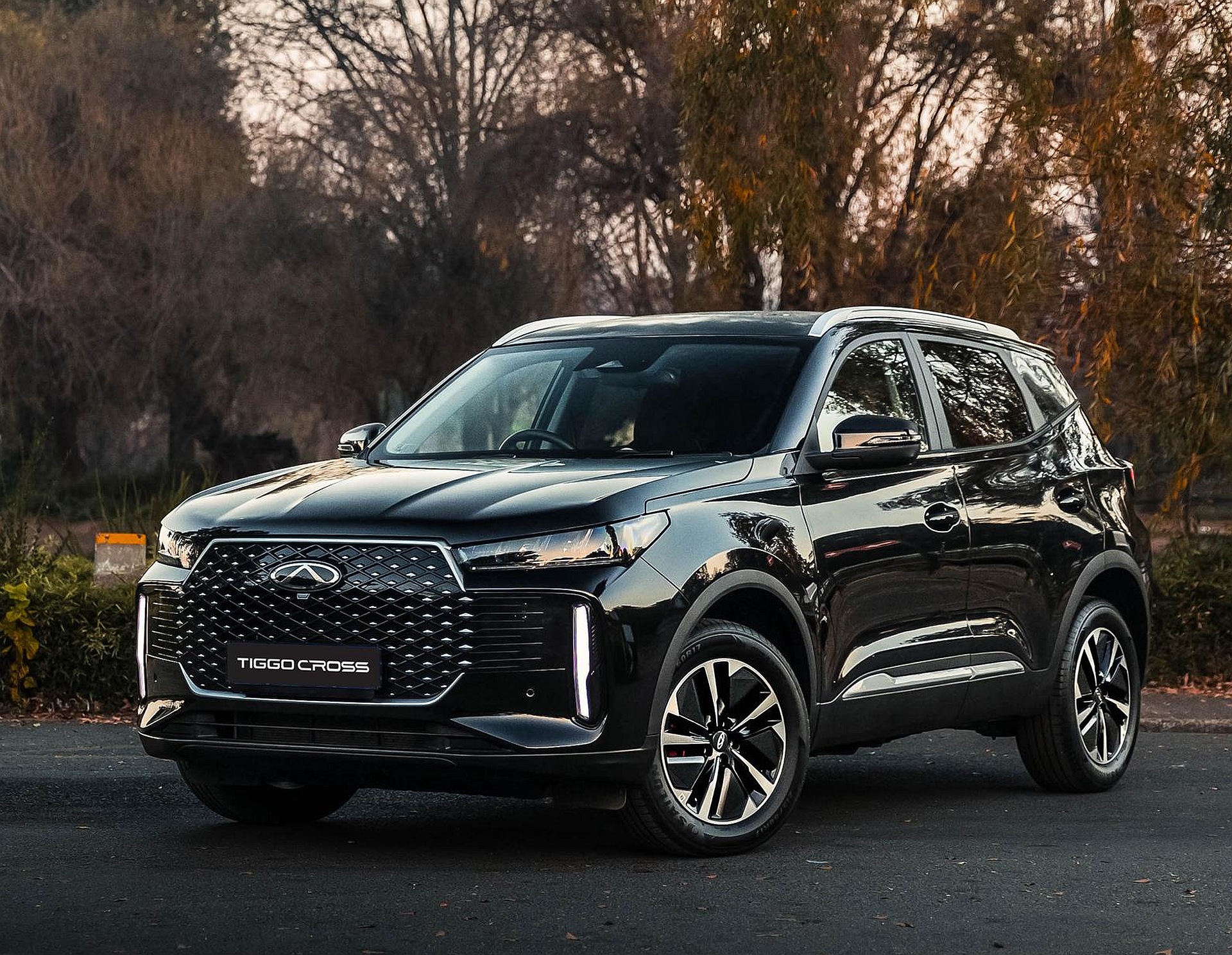
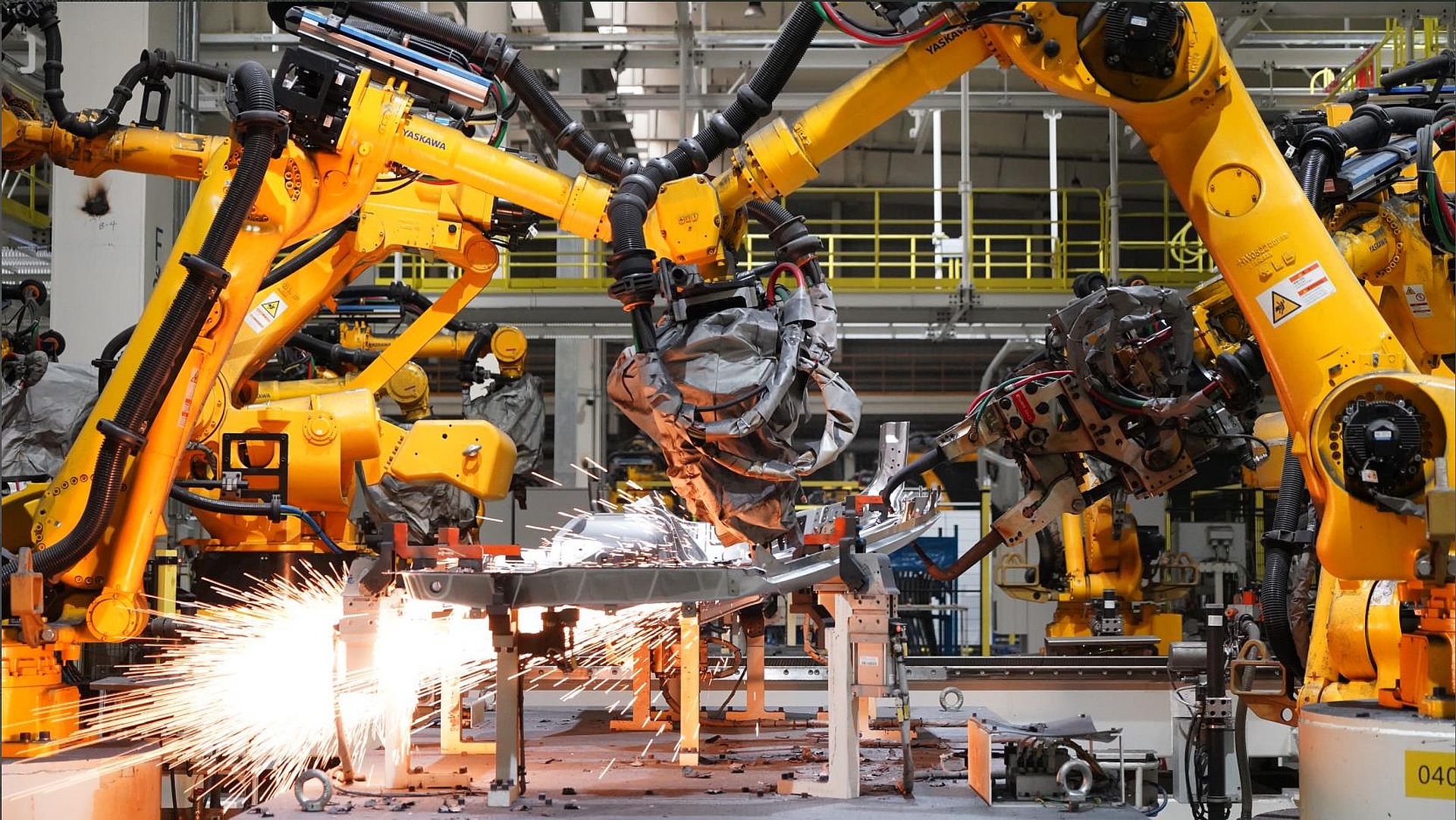
Whilst most South Africans have had only a recent encounter with Chinese automotive company Chery, the company has been around since January 1997 when it was formally established in Wuhu, Anhui Province, China. Their first production line was an engine assembly line in the United Kingdom, which had previously belonged to a reputable legacy brand. Talented engineers were recruited for this new entity whose task was to take on the big wide world. This was the beginning of Chery as we know it today.
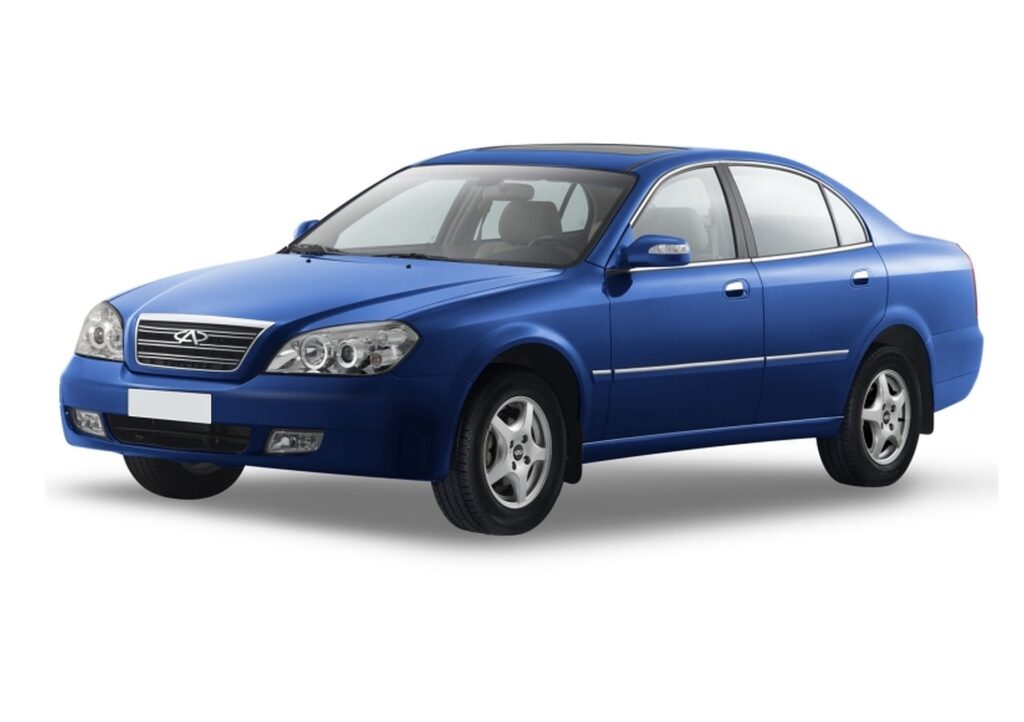

The first Chery car was called the Fengyun – also known as the Fulwin – and was heavily influenced by European design and tastes. That was because a number of high-level Chery engineers had worked in Europe previously. Simultaneously, China had no clear automotive signature of its own at the time, and Chery was one of the pioneers of such a language. The Fengyun first rolled off the assembly line in December 1999, with a huge responsibility on its rather brand new shoulders; to attract new customers. Even more than that, to help establish the mother brand in a burgeoning domestic market that was also still used to purchasing European, Japanese and American car brands.


For the next decade, Chery produced and sold different models. Probably key amongst them all included the Eastar. It was the company’s first attempt at a large, premium sedan and was produced between 2003 and 2016 when sedans were still ruling the planet. The Eastar possibly gave Chery the confidence it needed to prove to itself that it could play in that segment, perhaps if not immediately then in future.
The QQ was probably Chery’s most iconic car. Because it was entry-level, highly accessible and very reasonably priced, buyers really gravitated towards it. Hence its popularity. QQ went global in 2003. Fact is, there are still a good number of the little city dasher running around Mzansi today. With the J1 hatch, Chery took on the establishment in the sub compact hatch segment, while the J3 represented them in the bigger family hatch market. One could already see Chery’s future intentions with these cars.

When the first Tiggo range broke cover internationally in 2005, consumers from all walks of life truly began to take notice. The Tiggo entered a market segment that at the time, was largely quite bare; the entry-level SUV. Most brands had not even developed their own models for this segment, which has become one of the most important in the country.