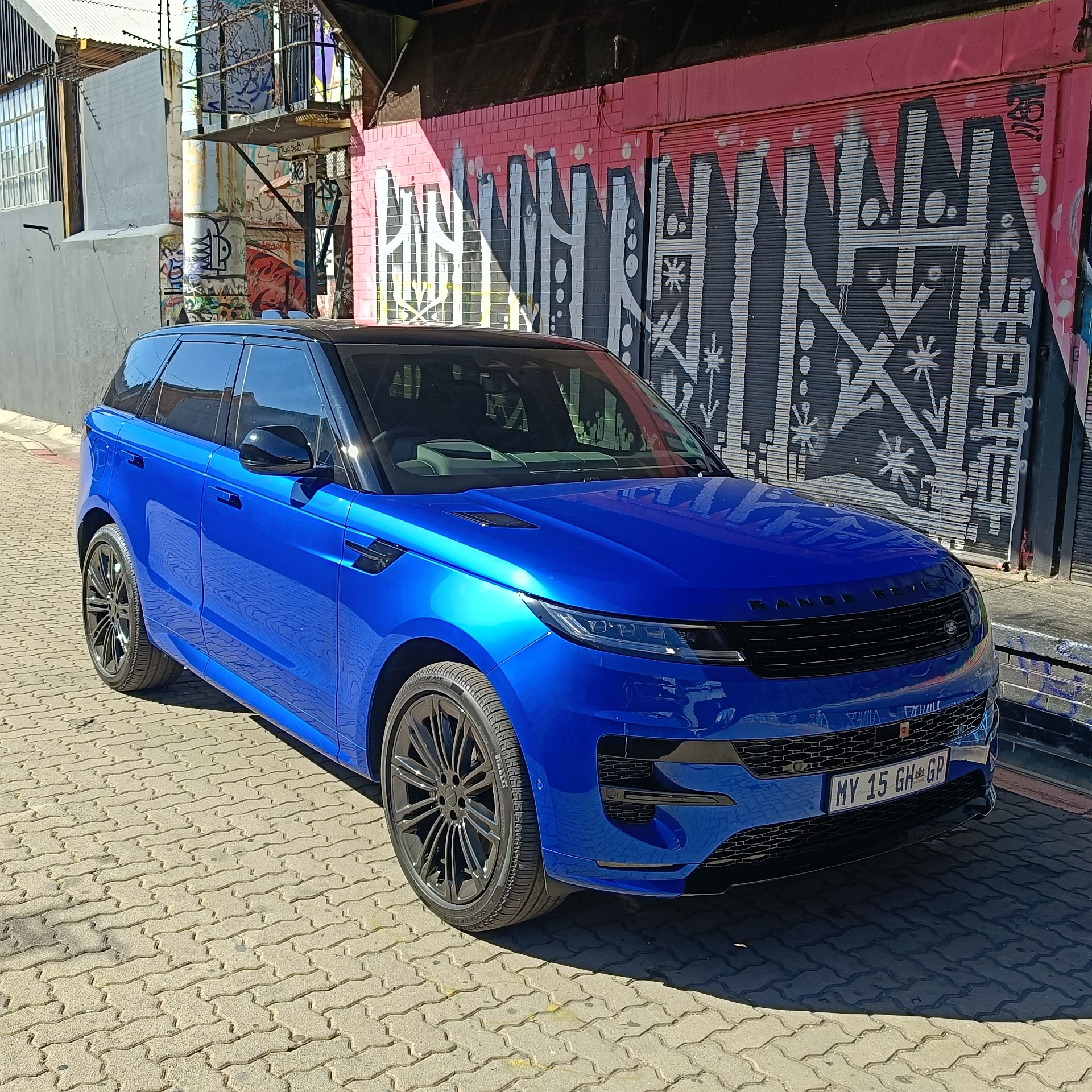
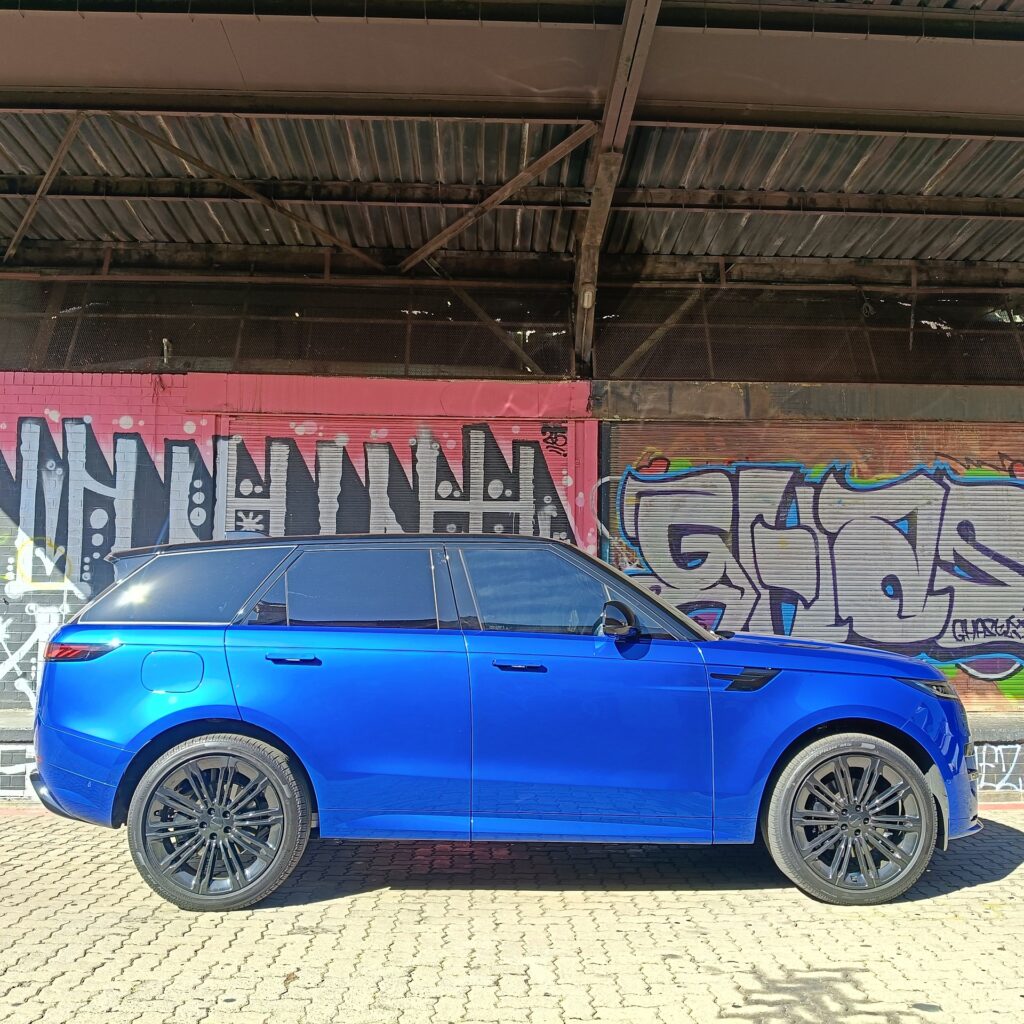
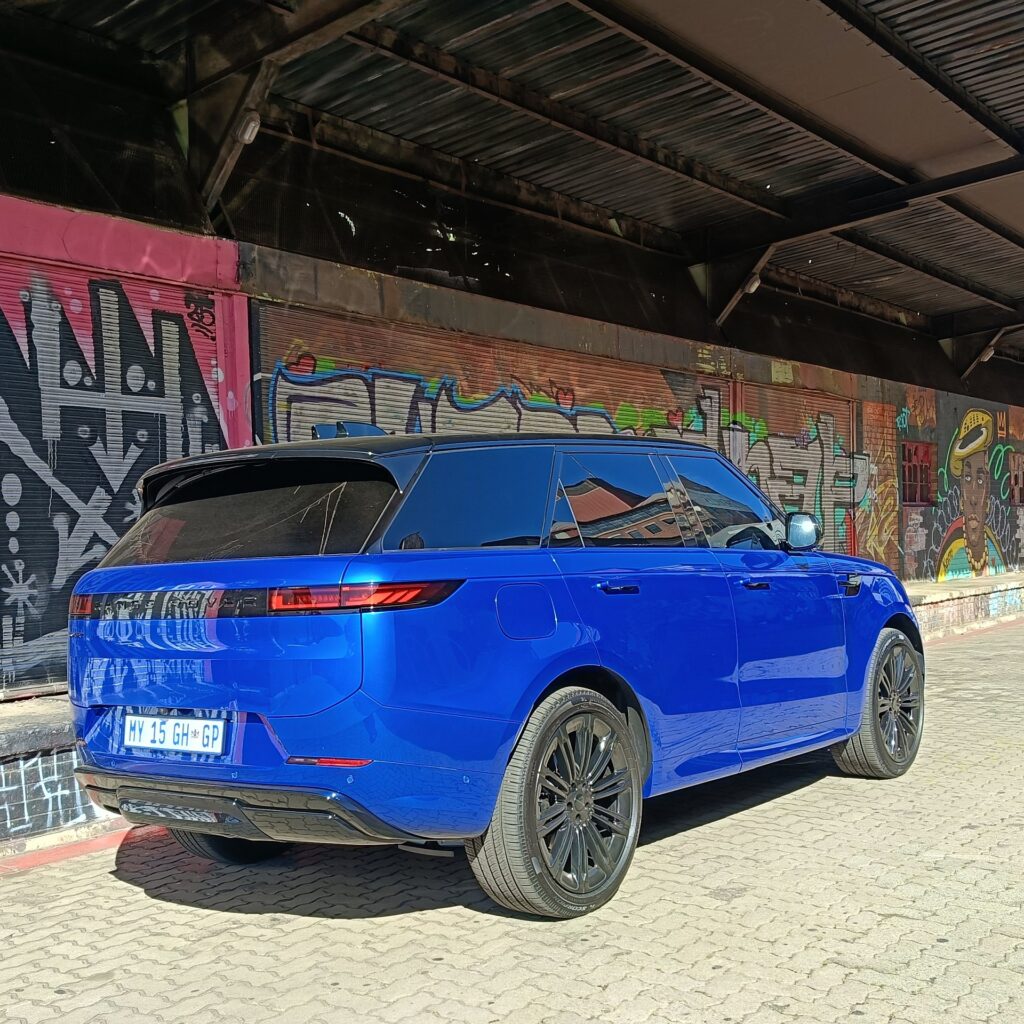
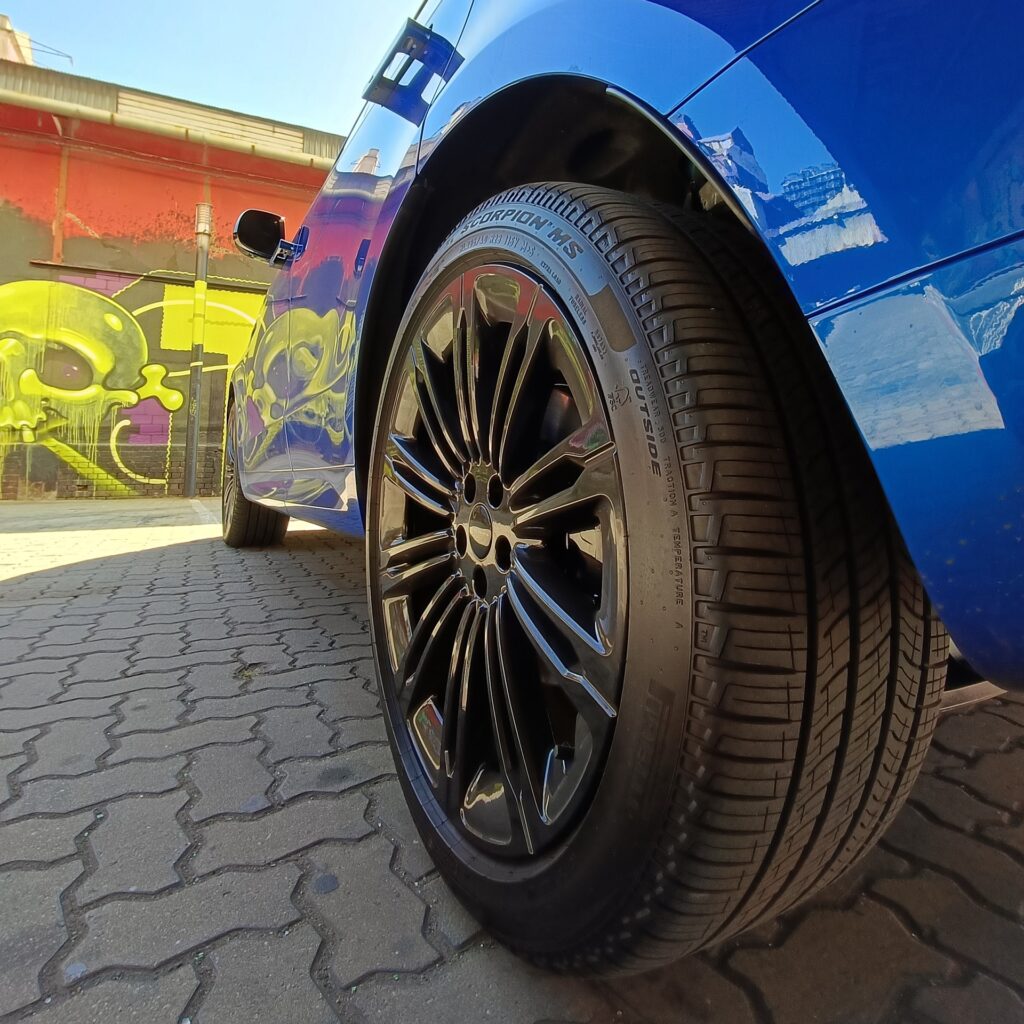
The Range Rover Sport – first-generation launched in 2005 – has always attempted to drive that perfect line between luxury SUV and proper off-roader, and the D350 version we had on test keeps the recipe intact. This is no bloated big body Range Rover; it’s the sharper, more athletic sibling that still turns heads, while still being capable of disappearing into the bush without breaking a sweat. With its sleek, confident stance, those 23-inch black alloy wheels, and the signature retracting door handles, it looks every bit the modern luxury weapon it is.
Looks?
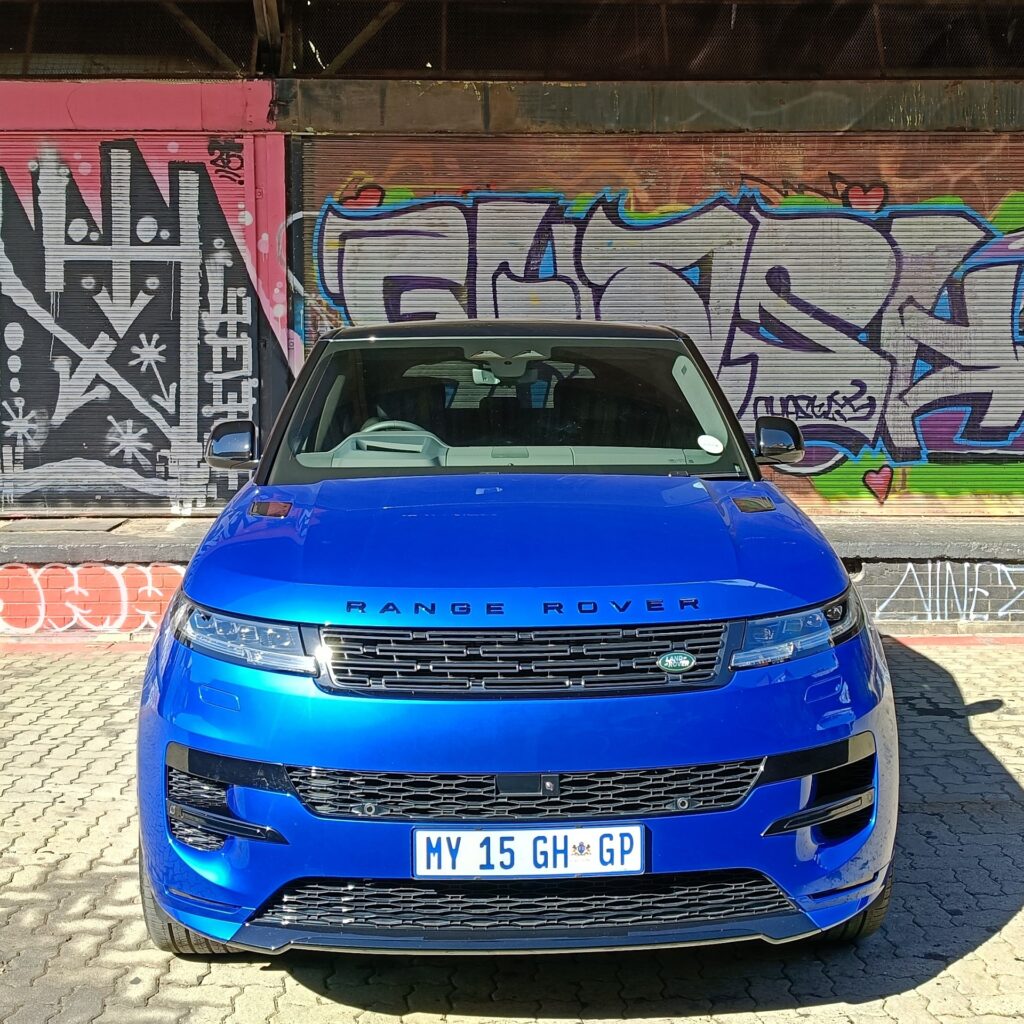
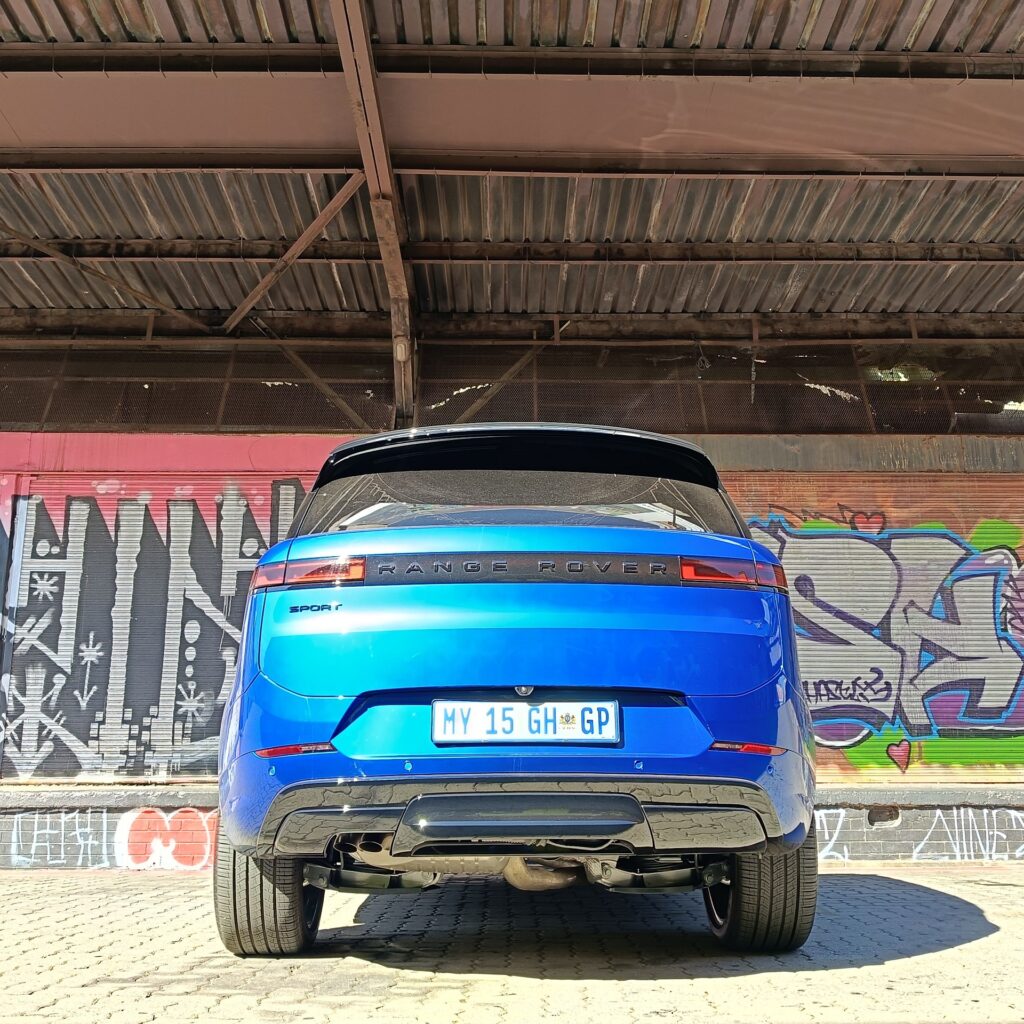
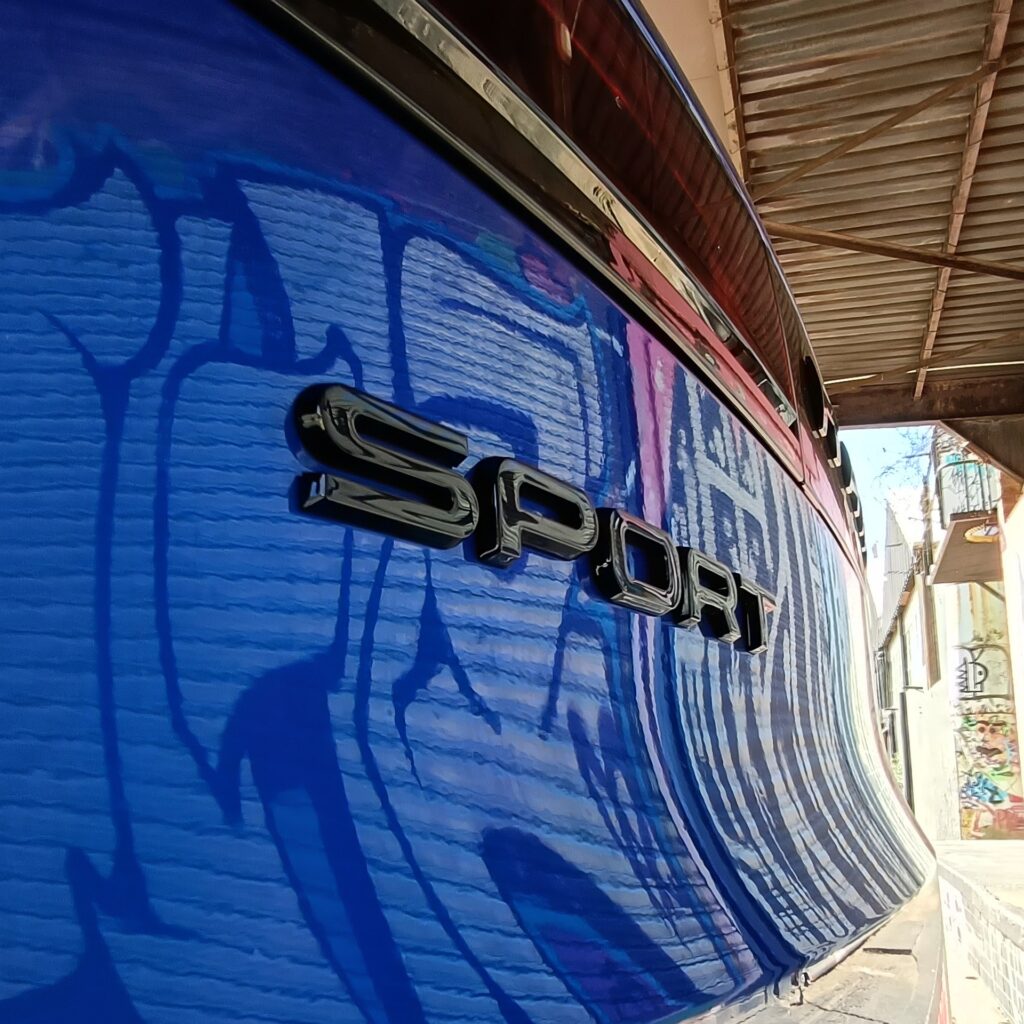
Definitely a couple of steps up the previous-generation in terms of design and looks. Gerry McGovern, former Head of Design at JLR, knew what he was doing with the Range Rover Sport. Sleeker than ever, with that stacked triple front grille wrapped around the front end, sporting LED Matrix headlights and daytime running lights. That side profile shows a 1/3 glass to body ratio, while those aforementioned 23-inch wheels and tyres fit quite snugly into their spaces. The electrically-rectractable door handles are still a bit of a marvel in the automotive industry, although China is banning them henceforth. At the back the Range Rover Sport remains relatively clean and simple.
Impressions behind the wheel?
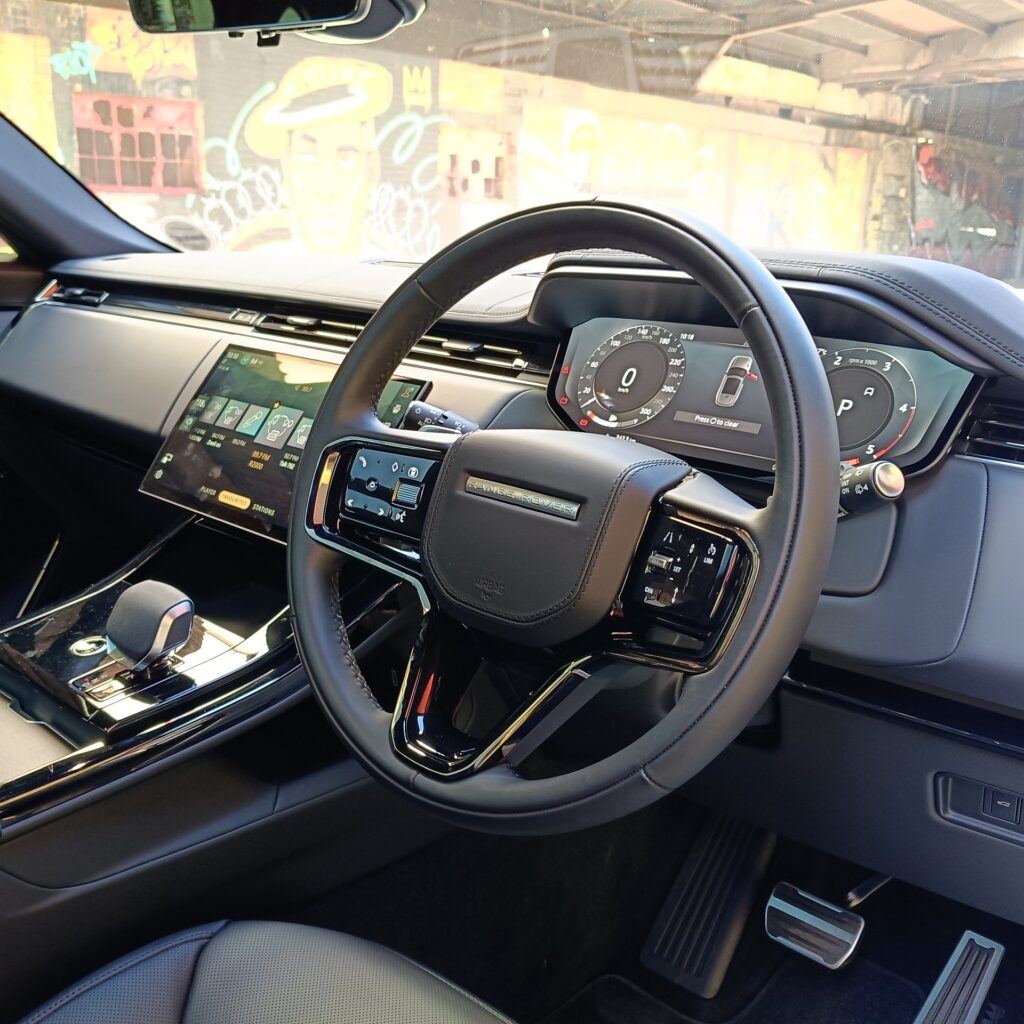
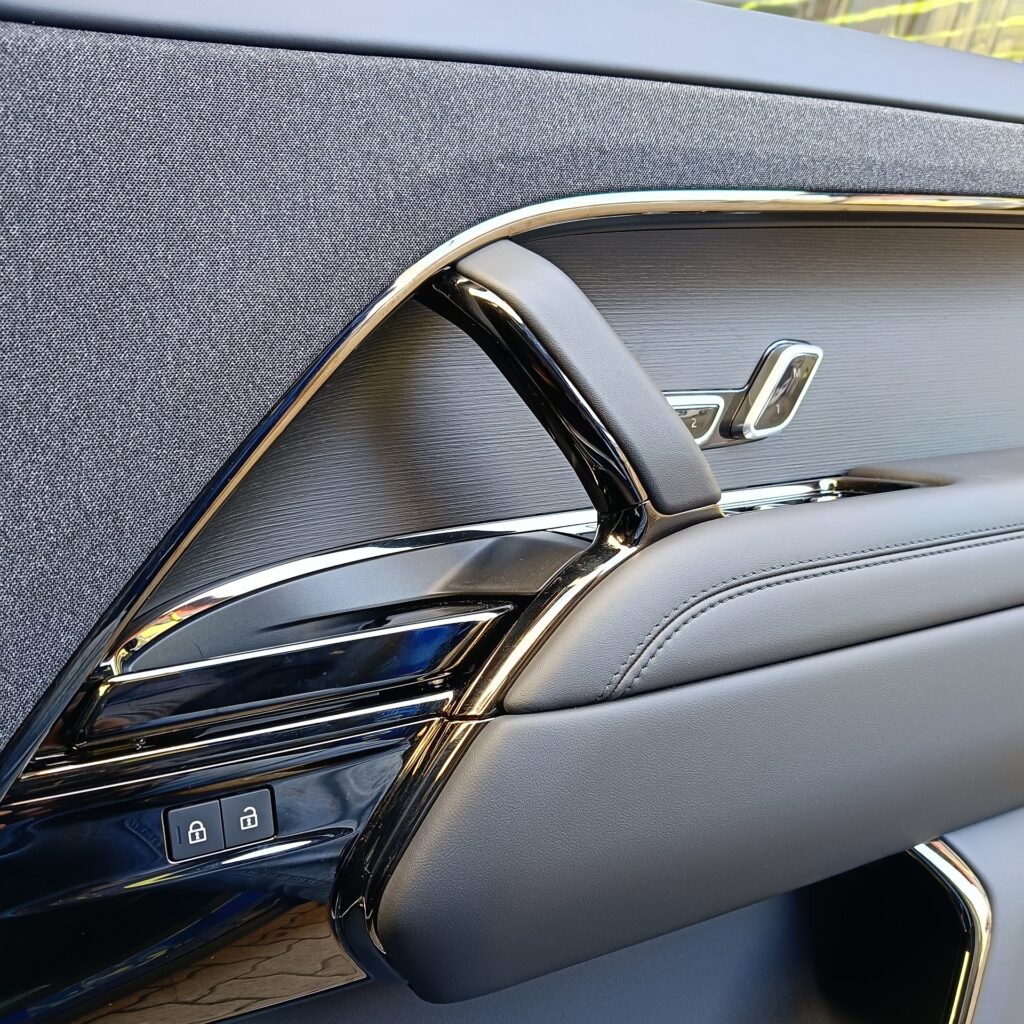
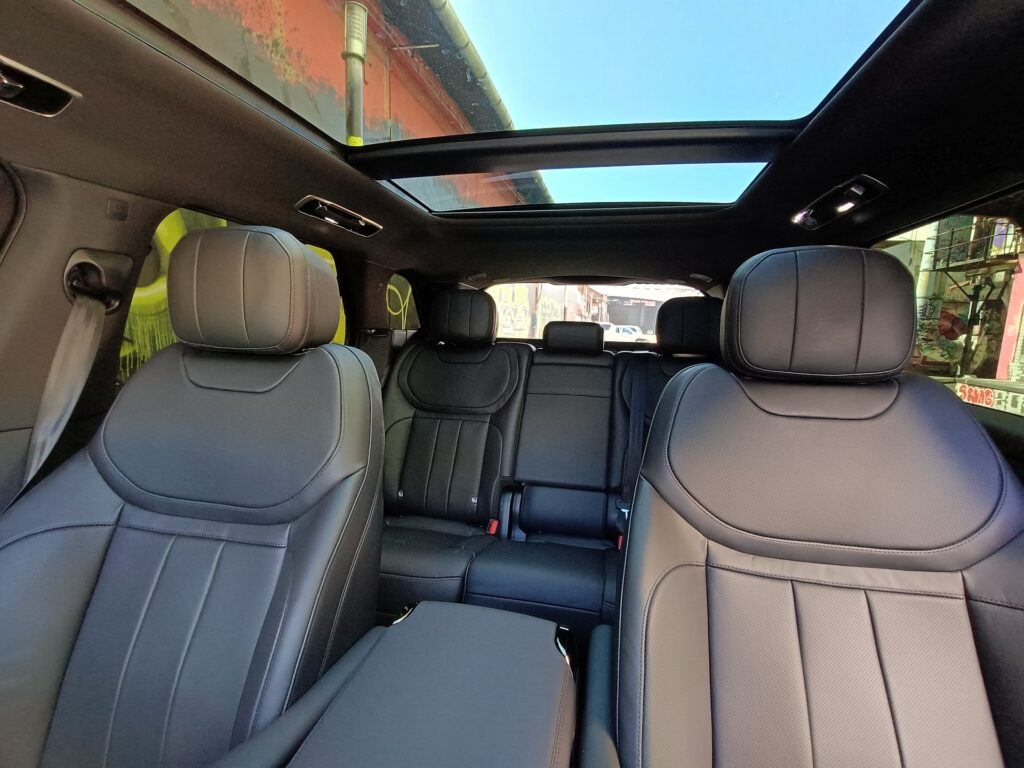
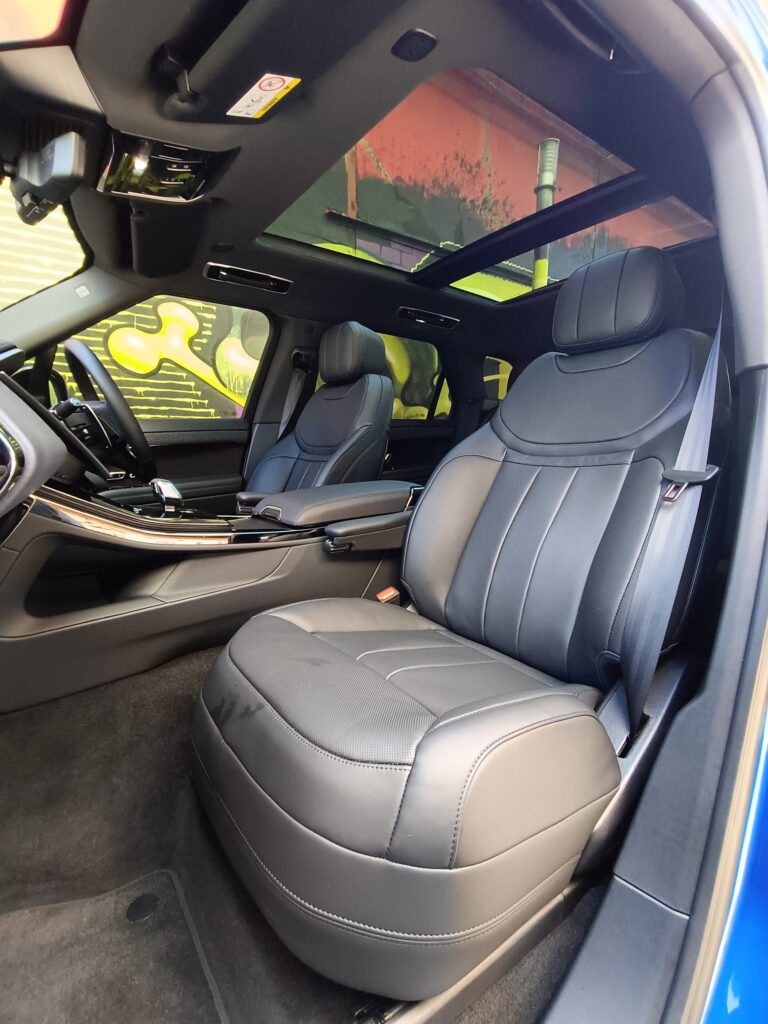
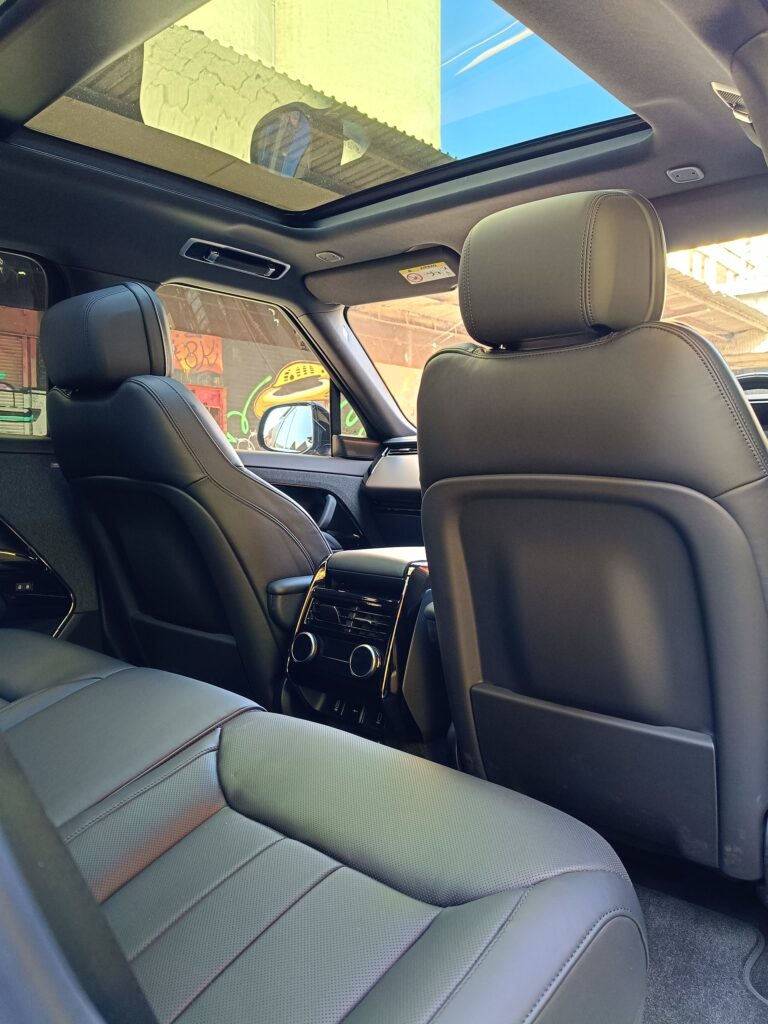
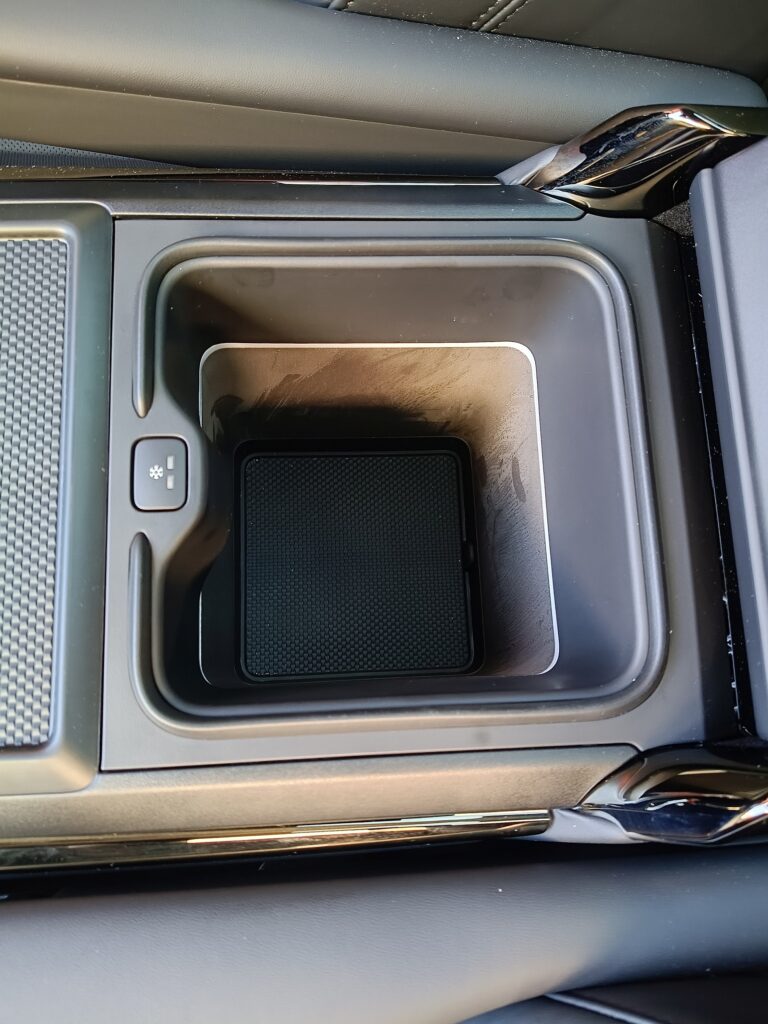
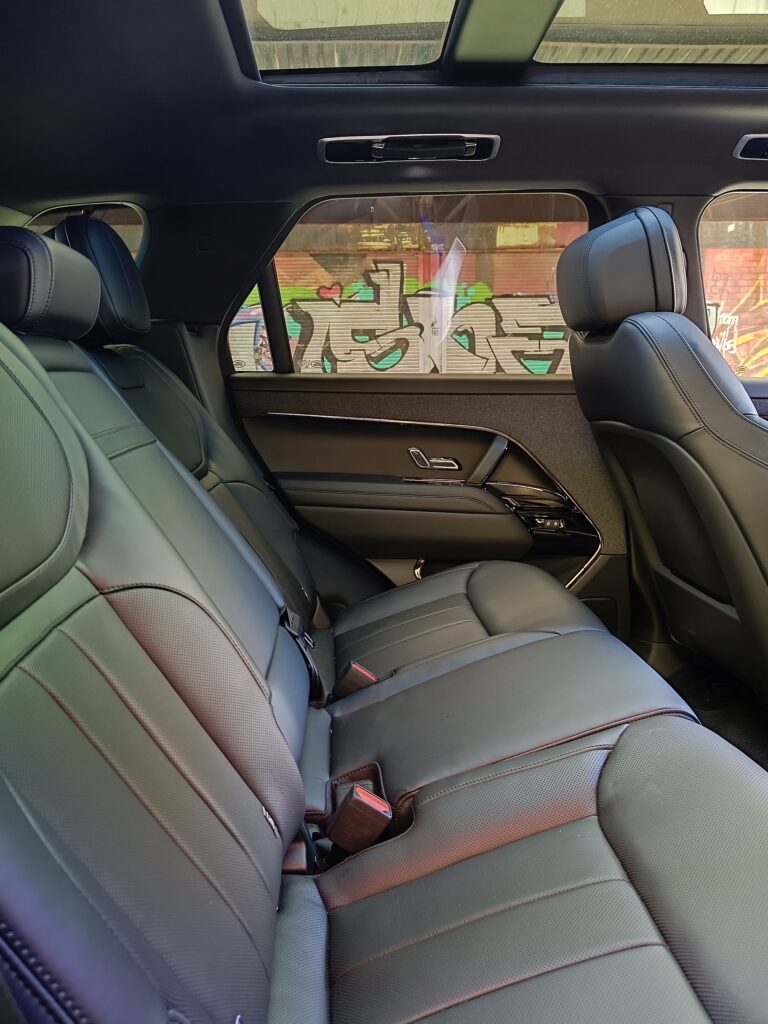
Visibility is excellent for something this size thanks to the slim pillars and large glasshouse, and the interior is pure indulgence. Soft leather, cool-touch piano black surfaces, brushed alloys and that calming ambient lighting make the cabin feel like a high-end lounge. The front seats are highly adjustable with memory functions, while the rear ones slide and recline. There’s even a dedicated “Chauffeur seat” mode that lets the driver slide the passenger seat forward and recline it from the rear, turning the seat behind it into a proper legroom stadium. In Jo’burg traffic especially, that’s not just a gimmick; it’s a real solution. A full panoramic sunroof floods the space with light, and the massive Pivi Pro touchscreen infotainment system is crisp and responsive. The on-board navigation system did not seem to have full live mapping though, which is an expected feature at this level. Also, the traffic camera warning system is quite outdated, beeping for cameras that have long been officially removed from our roads.
Is the rest of the tech up to date?
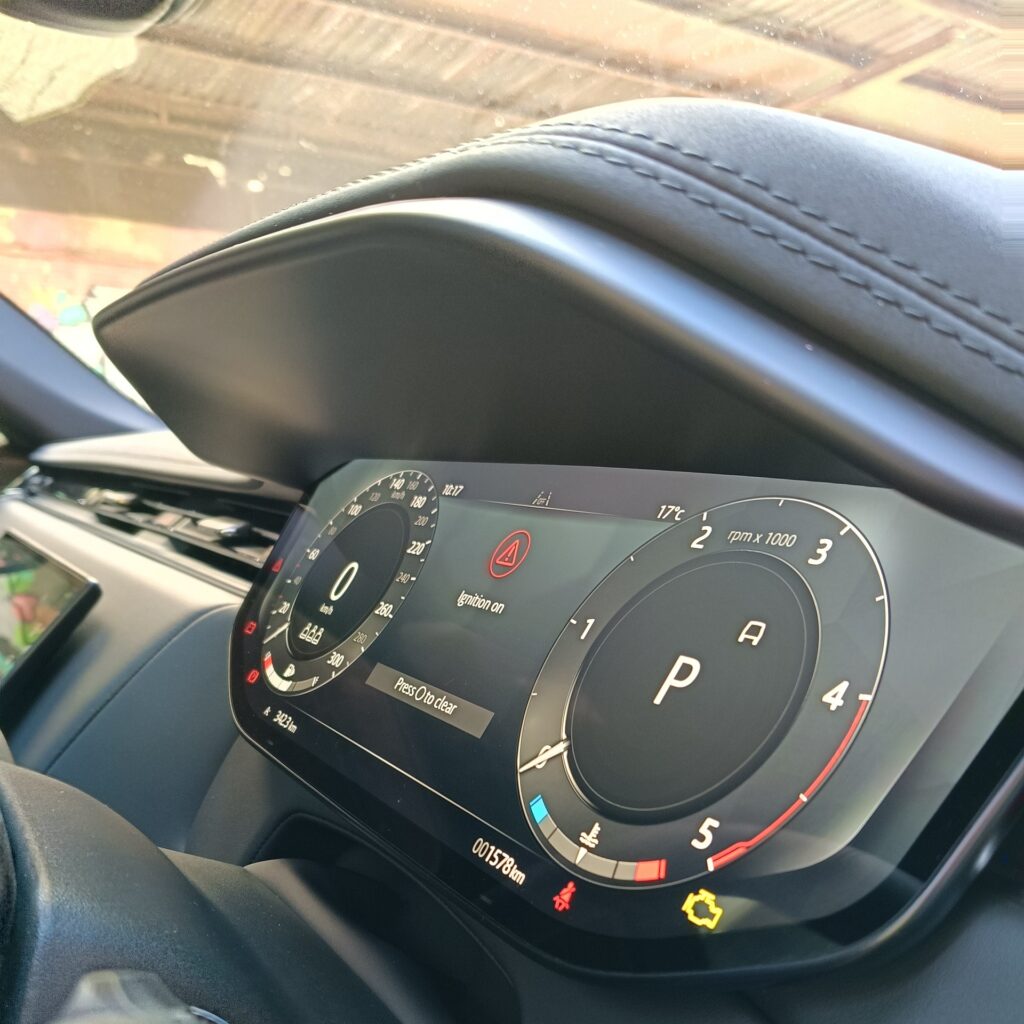
Pretty much. The 33.3cm Pivi Pro touchscreen is fast, intuitive and loaded with features. Wireless Apple CarPlay and Android Auto work flawlessly (our Live Maps work just fine here), the Meridian sound system delivers concert-hall quality, and the digital instrument cluster is configurable and clear. All the expected driver assists are present and work subtly rather than annoyingly. Of course the option to deactivate them is ever present. Climate control is a breeze, and the air suspension lets you choose between wafting comfort or sportier responses at the touch of a button. Our unit was fitted with seat warming functions for front and rear occupants, which is especially useful at this time of the year.
What about the driving aspect?
This is where the Sport D350 really shines. That 3.0-litre turbocharged inline-six petrol engine punches out 258kW and a boastful 700Nm of pulling torque, launching the two-tonne-plus SUV to 100km/h in just 6.3 seconds. On the road it feels much quicker and composed – body roll is well controlled, steering is quite precise, and the 8-speed automatic transmission snaps through ratios cleanly. Loved the exhaust note too; a notable, sporty grunt, sans any of the associated diesel clunk.
Yet switch and get off the beaten track, adjust the air suspension for wading (up to 850mm), and the same vehicle will crawl over rocks, ford streams and tackle sand with the confidence of any dedicated 4×4. It’s genuinely impressive how effortlessly it switches between these two worlds.
Fuel consumption averages a respectable 8.1L/100km in mixed driving, and thanks to that 80 litre tank, a range of around 950km keeps things going.
What powertrain are we on here exactly?
It’s a refined 3.0-litre turbo petrol six-cylinder mated to Land Rover’s latest mild-hybrid tech and permanent 4-wheel drive system. The power delivery is smooth, with near-instant responses when you need them, and still refined and quiet when cruising. The 4×4 system (this is still a Land Rover, lest we forget) with torque vectoring and clever electronic differentials, gives it outstanding traction, whether you’re on a wet highway or a muddy kasi street.
In conclusion?
Absolutely. The latest Range Rover Sport feels more polished, more luxurious and a tad more capable than its predecessors while shedding some of the heavier, more truck-like feel of older generations. It strikes an even better balance between on-road refinement and off-road ability than before, while looking extra special.
QUICK STATS
RANGE ROVER SPORT D350
ENGINE: 3.0-litre inline-six, twin turbo diesel
POWER: 258kW
TORQUE: 700Nm
0–100KM/H: 5.8 seconds
GEARBOX: 8-speed automatic
DRIVE: Permanent four-wheel drive
FUEL AVERAGE: 8.1 L/100km
TESTED RANGE: 950km
PRICE: R2.5 million
NATURAL RIVALS: Lexus LX500d F Sport, Porsche Cayenne S E-Hybrid
FOR A SIMILAR PRICE: Audi RS 6 Avant, BMW M4 Competition, BMW X7 M60i, Land Rover Defender D350 X-Dynamic HSE, Mercedes-AMG GLC 63 S, Porsche Macan GTS, Volvo EX90 Ultra
BABE-MAGNETIC FACTOR: Very high