Sometimes the pioneer sets the tone and proceeds to benefit from their work. Sometimes they drop the ball and another picks up and eats their lunch. Volkswagen has been in Mzansi for about 75 years now, and is absolutely a pioneer in all automotive aspects pertaining to our country. Back in the day, when were chasing reliable wheels that could handle the dust of the Eastern Cape and the hustle of Johannesburg traffic, a humble Volkswagen rolled off the line and changed the game.
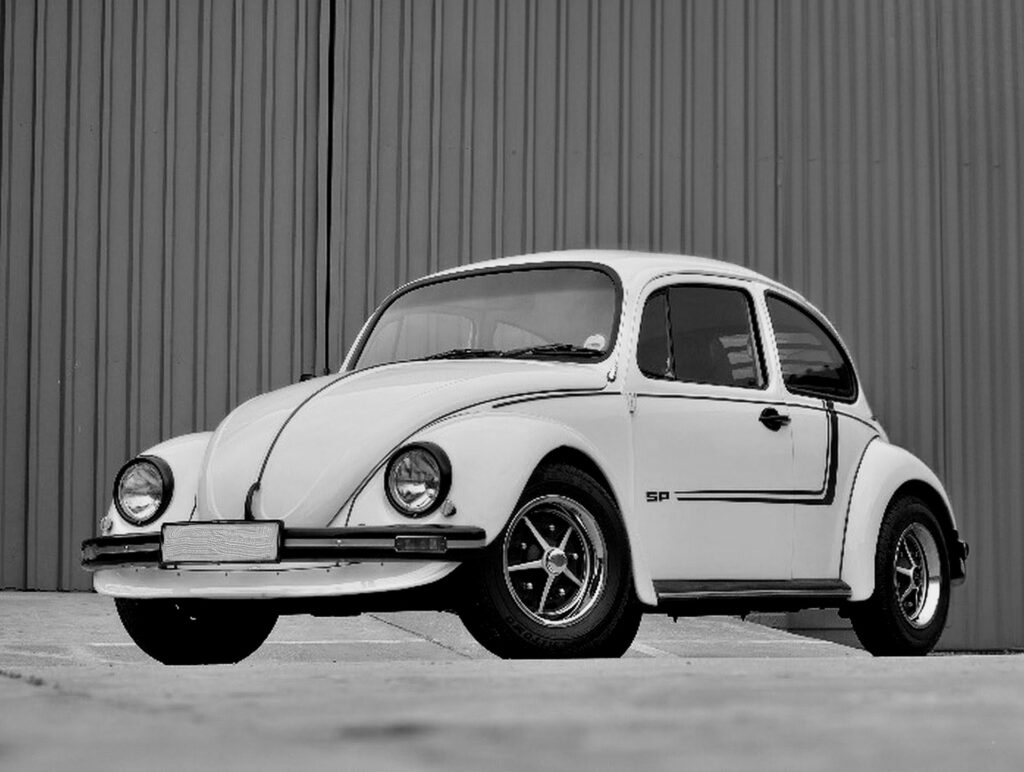
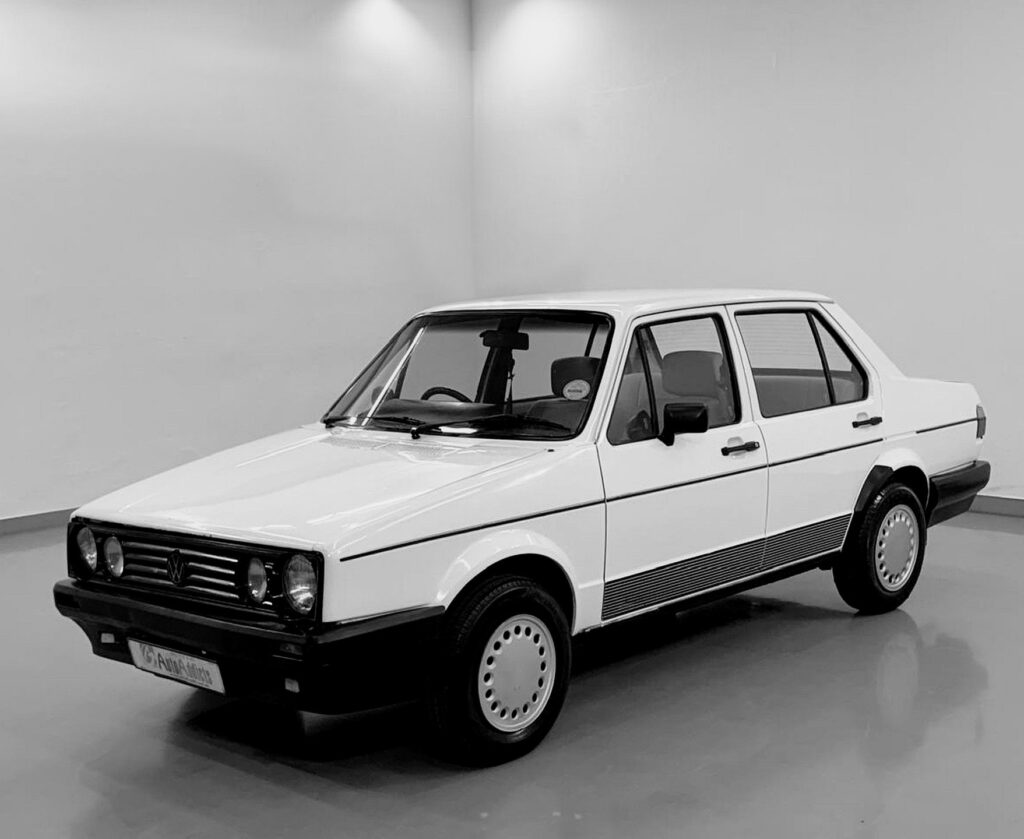
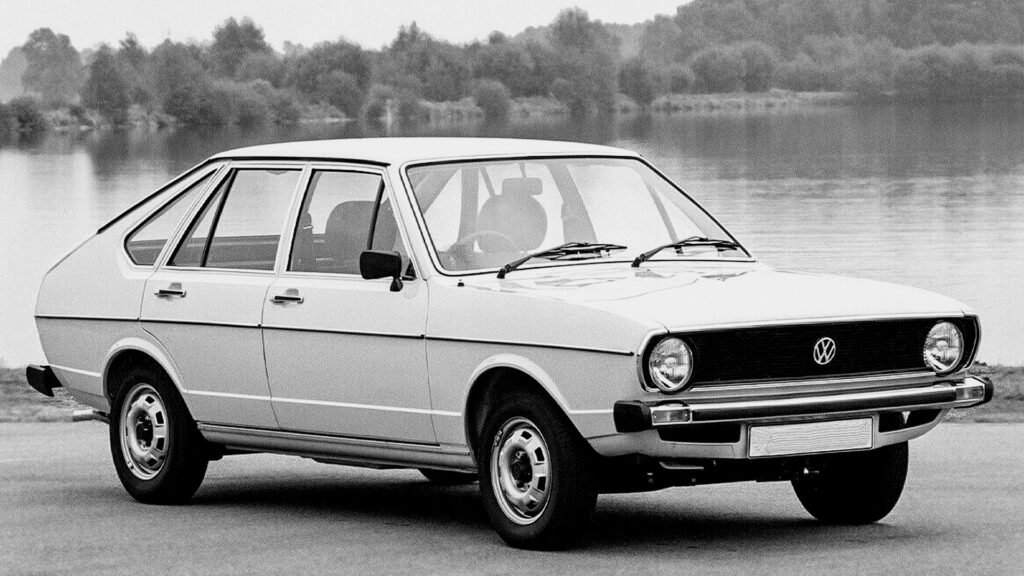
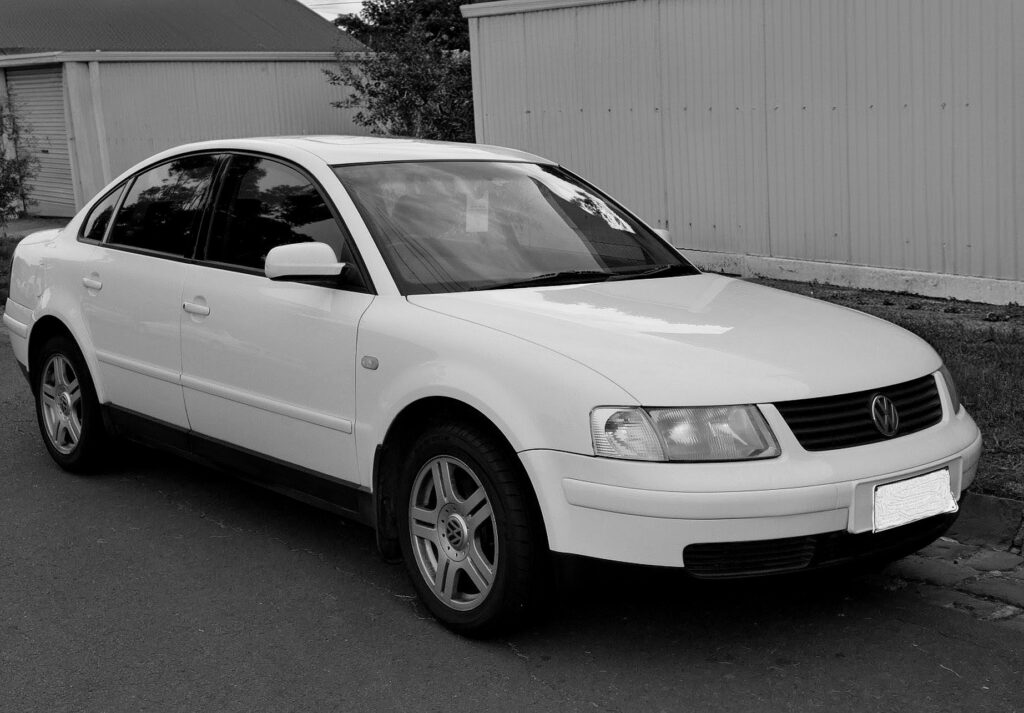
It was 31 August 1951 in Uitenhage – now called Kariega – when the first locally-assembled Volkswagen Beetle emerged from the SAMAD plant. That moment wasn’t just another assembly milestone; it was the official beginning of VW’s love affair with Mzansi, and Africa as a whole. For everyday motorists, the Beetle represented something real: affordable, tough, and built right here at home.
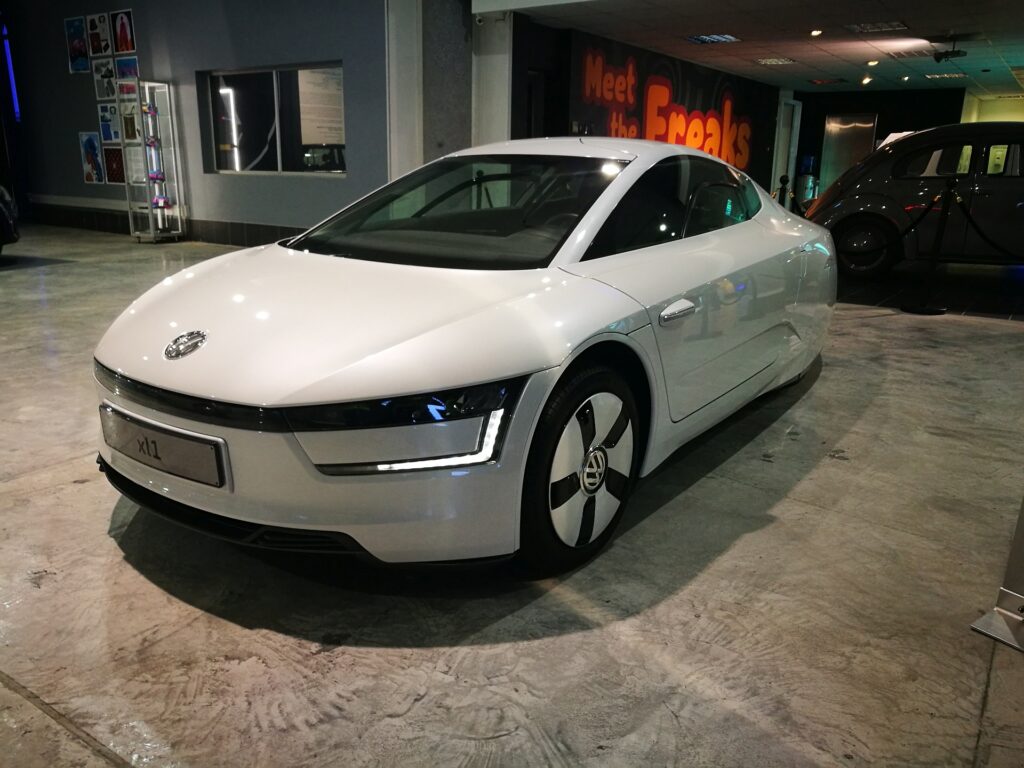
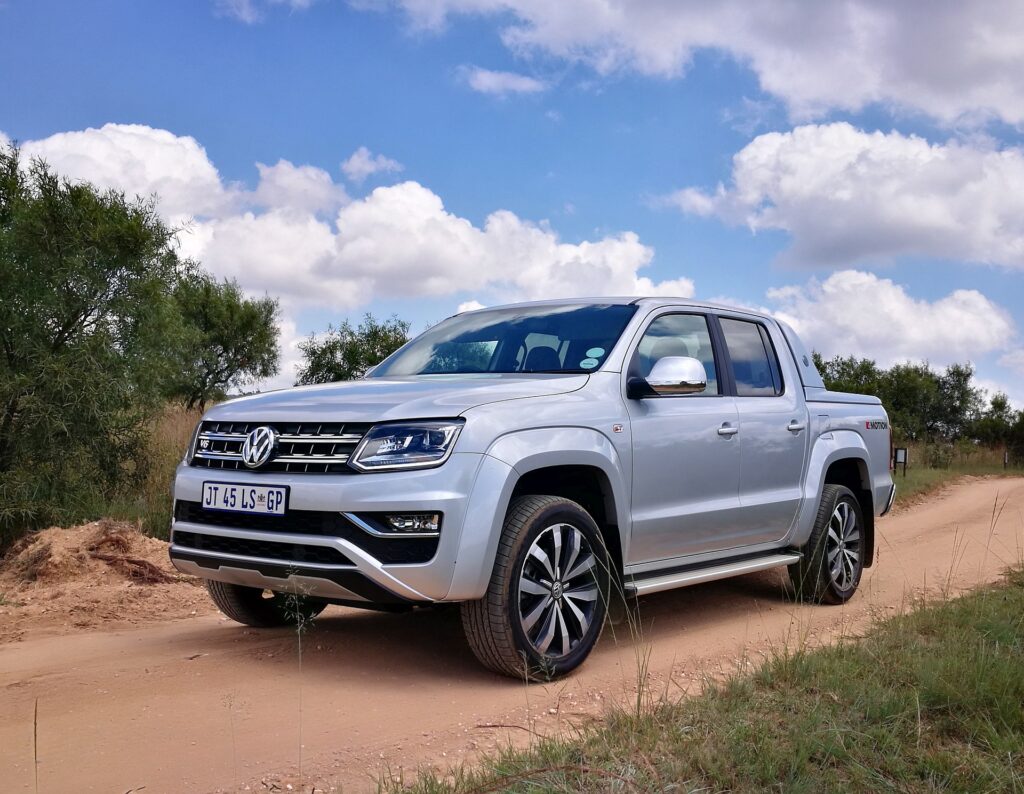
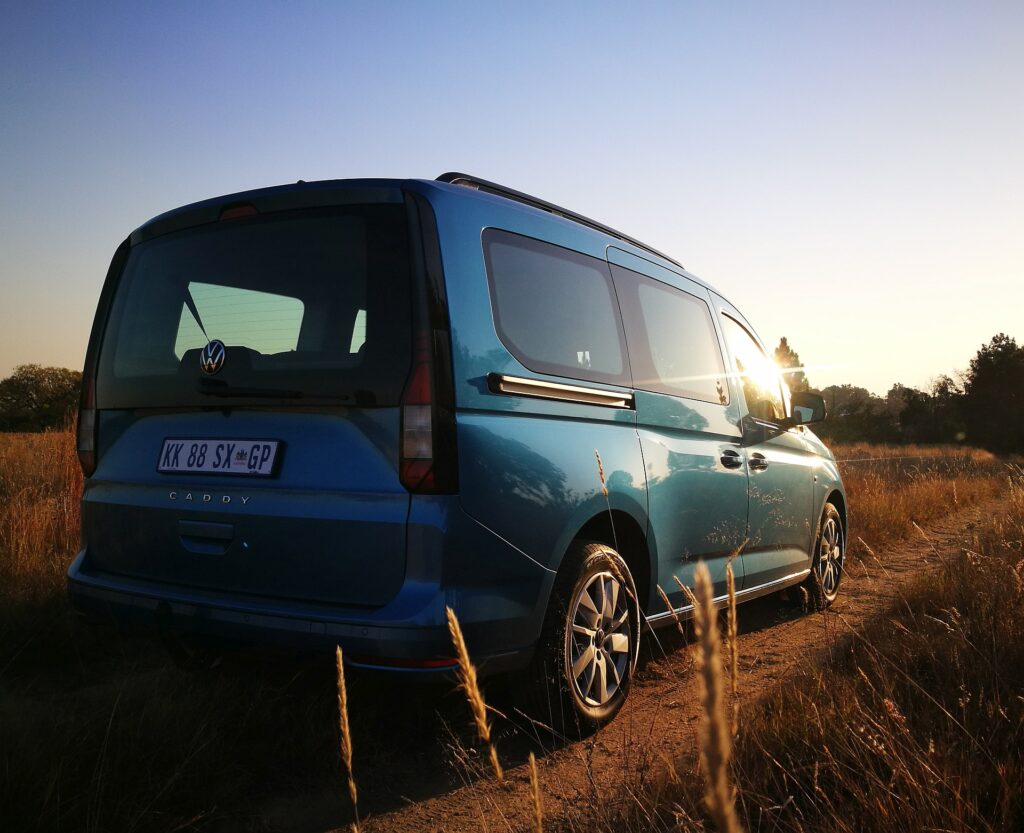
Volkswagen in Germany saw something in this country, a big future potential, and they didn’t waste time putting down roots. By 1956, they had secured a controlling interest in the local operation. Later They pumped in the equivalent of a R120 million in today’s money, as an expansion programme that pushed daily output to 75 vehicles. Come the early 1970s, another bold R25 million (another R120 million in today’s money) investment took capacity to 300 cars a day. Those weren’t just numbers on a balance sheet; they meant jobs in a region that needed them, skills being transferred, and vehicles that ordinary South Africans could actually afford to run.
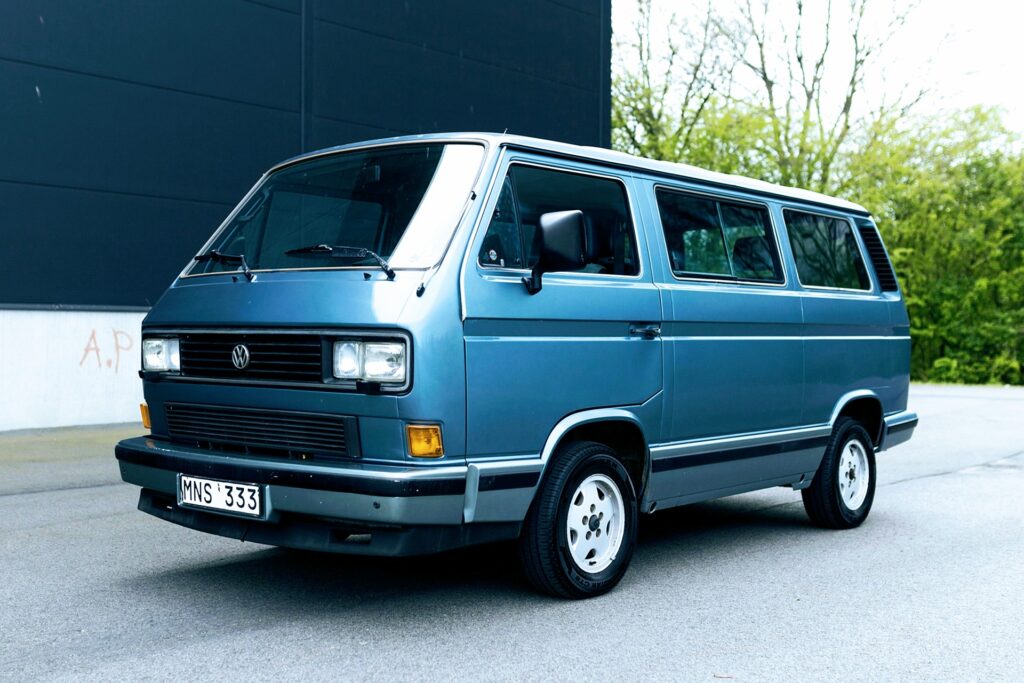
The popular Kombi (Microbus) joined the party early, becoming the ultimate family hauler for beach trips to Durban or weekend braais. “Vee Double You and me! We all believe in quality!” the old music slogan went, and the TV ads with the iconic VW logo told the story better than any brochure: people and cars, together, making memories.
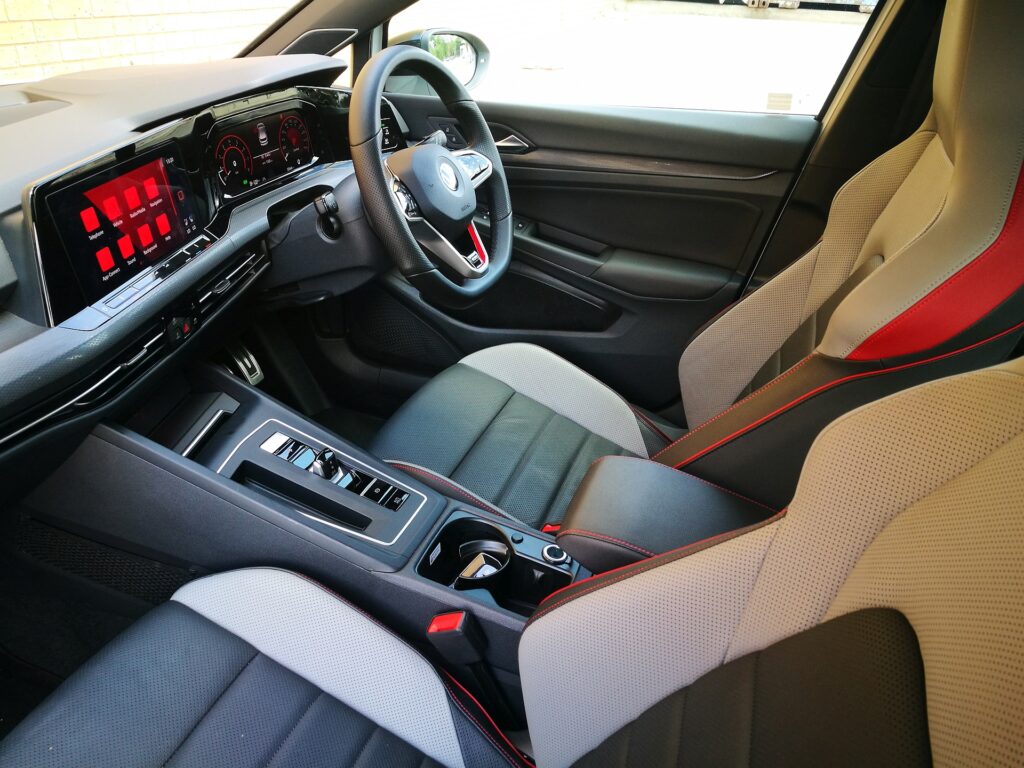
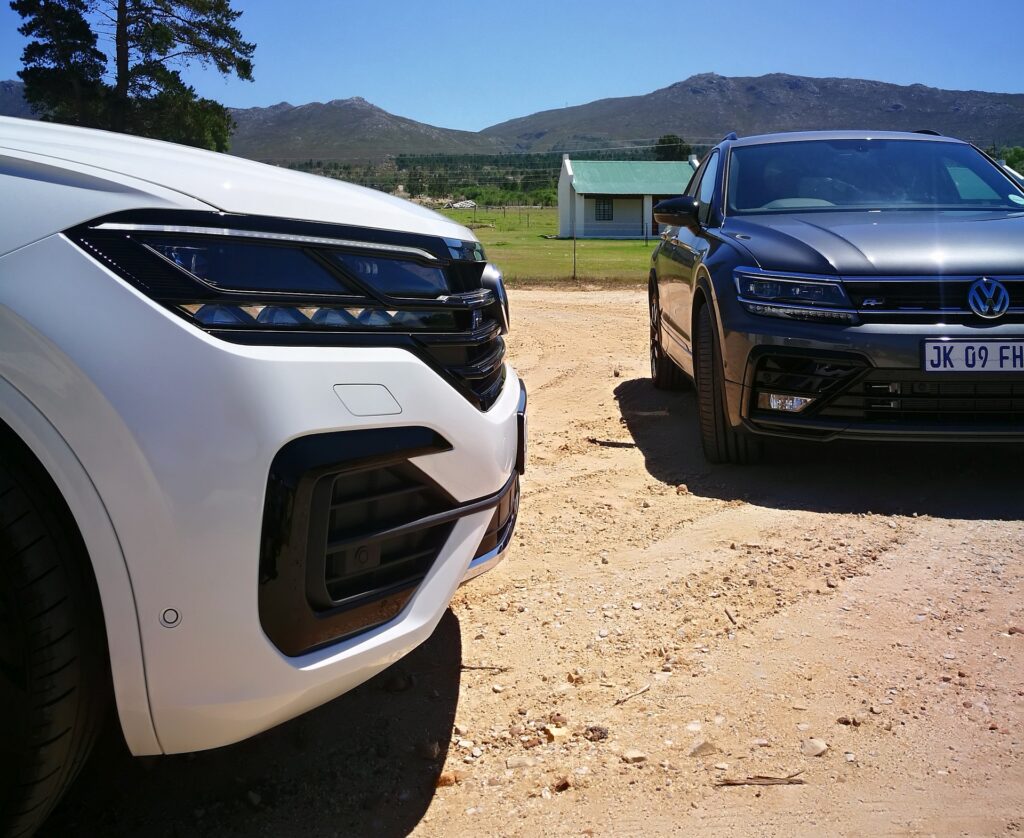
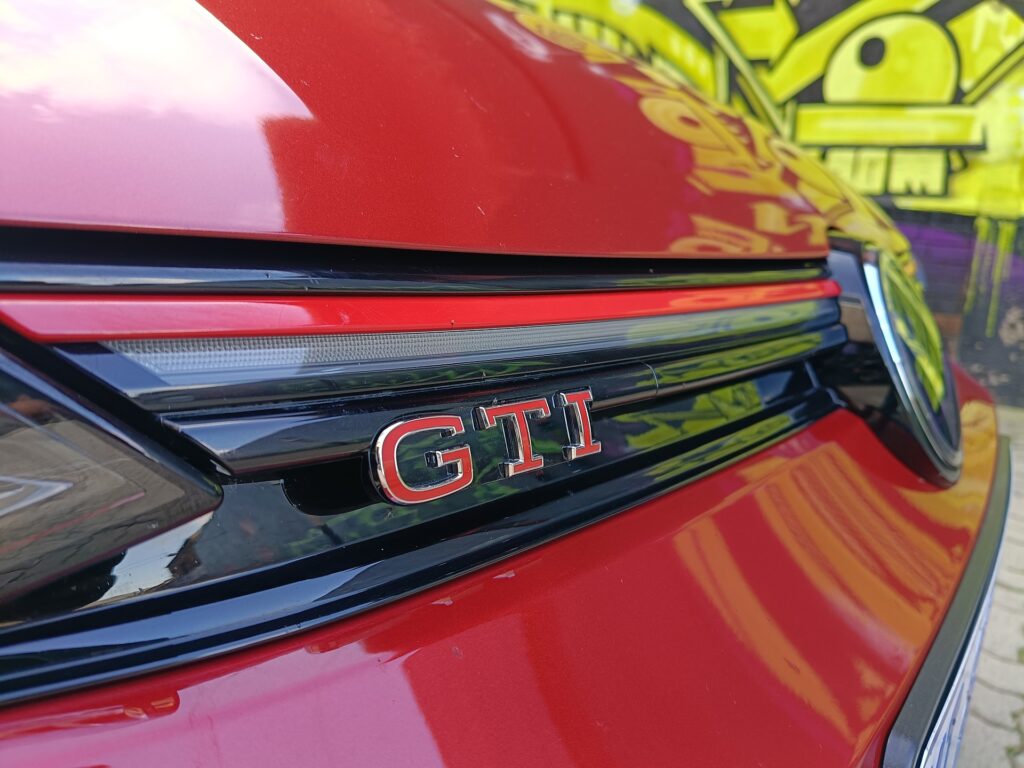
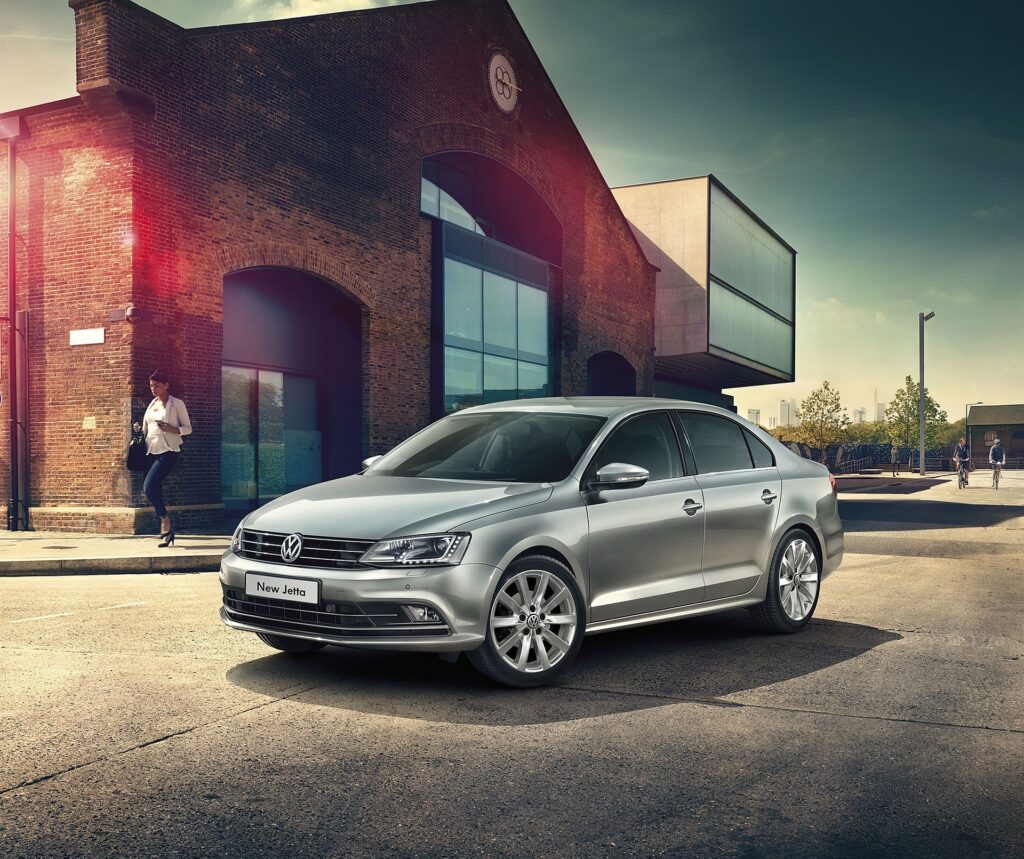
Fast-forward through decades of evolution, and the numbers tell a powerful tale. By 2026, the Kariega plant had produced over 4.8 million vehicles locally. That’s millions of Beetles, Golfs, Citi Golfs, and yes, those trusty Kombis that still rumble around townships today among others. And the hero of the modern era is of course, the Polo. In 2026 Volkswagen also celebrates 30 years of Polo production at Kariega since 1996. Over two million Polos have been built there by the end of 2025, which is quite a staggering achievement. Of those, around 1.42 to 1.45 million were exported to 38 countries, including Australia, Germany, Japan, New Zealand and the UK. In 2024 alone, they shipped a record 131 485 units, and hit the 500 000th current-generation Polo for export.
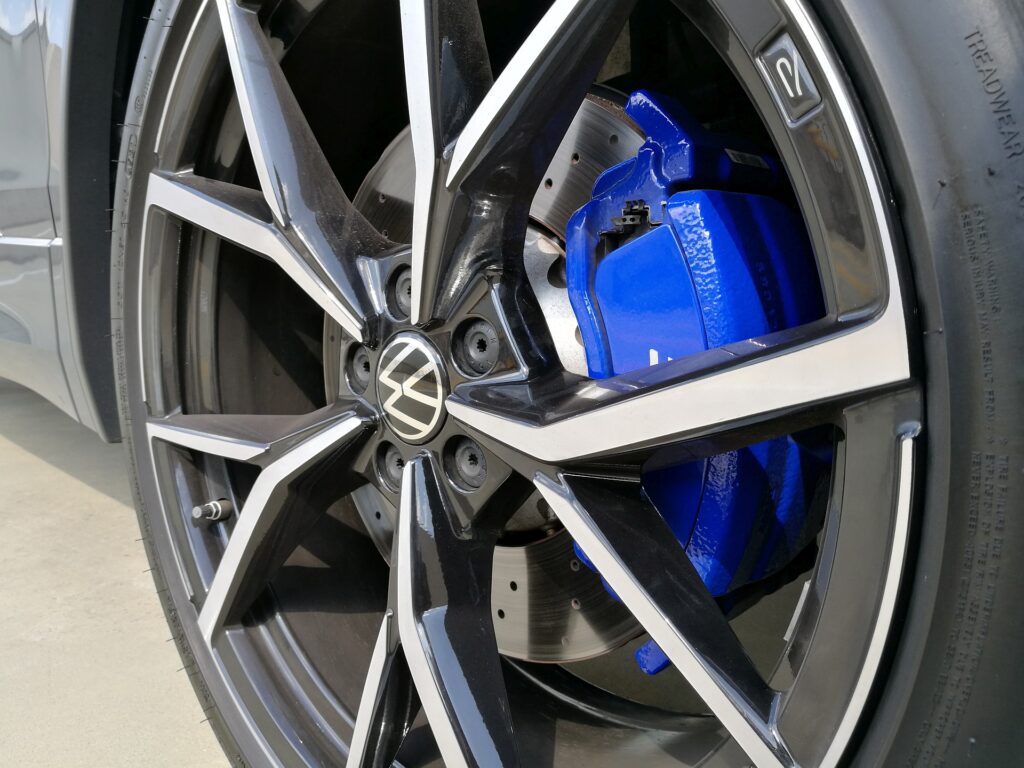
Kariega isn’t just assembling cars; one could say it’s exporting pride. The Polo Vivo remains a bestseller on local charts, giving families dependable daily transport that doesn’t break the bank at the fuel pump. We have tested a number of both Polo and Polo Vivos over the years, and yes, frugality is but one of their specialities. We regularly return about 800km of range from the petrol models, with the older discontinued diesels achieving more.
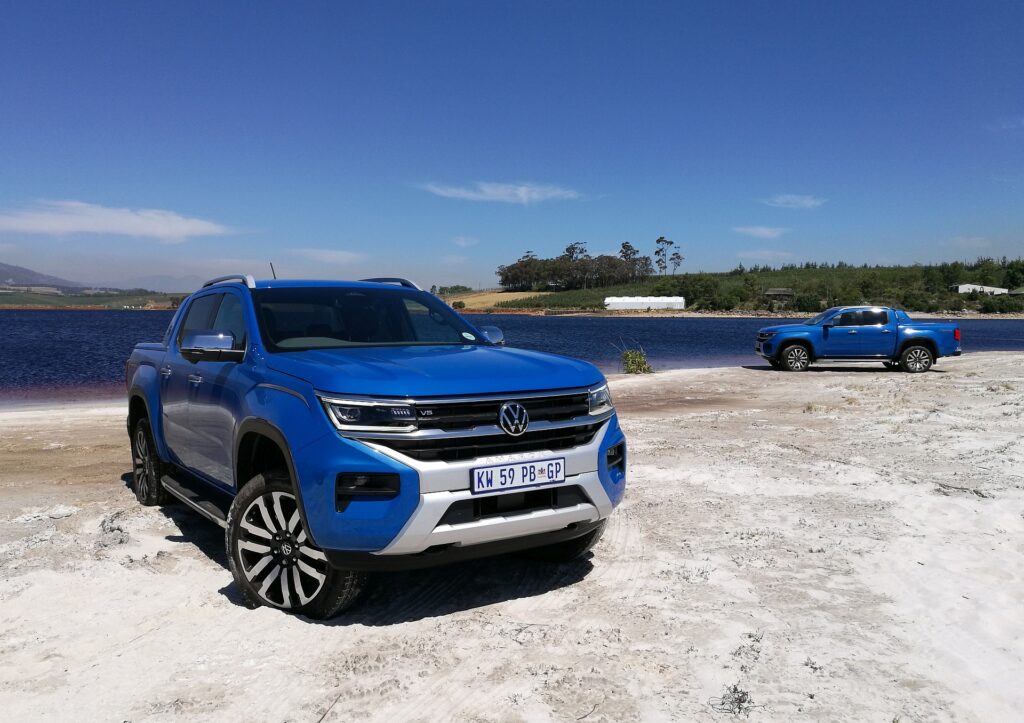
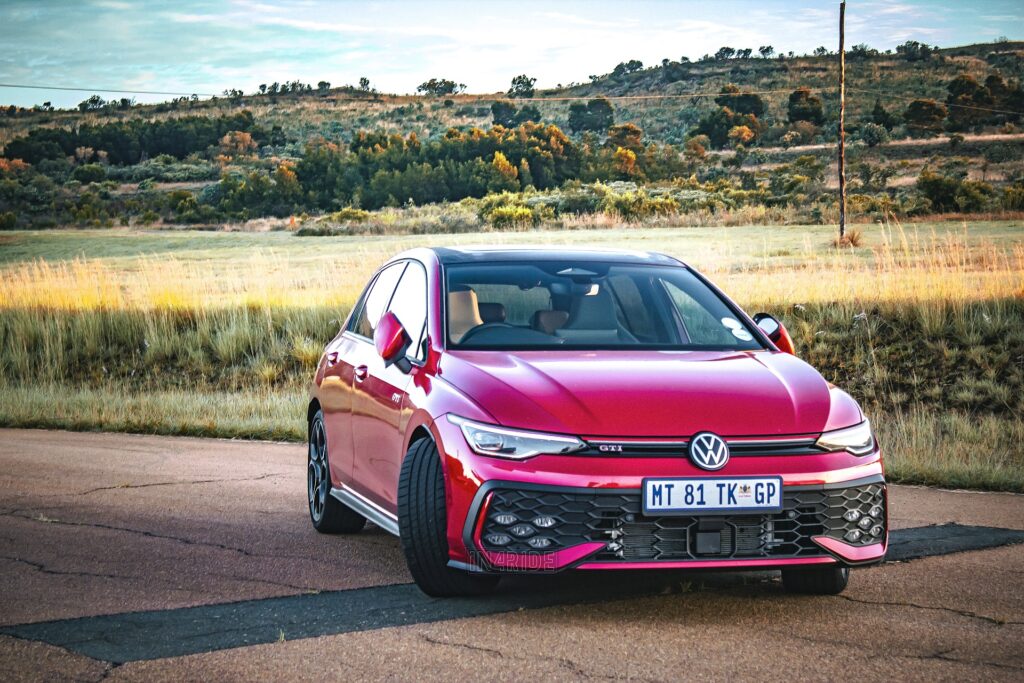
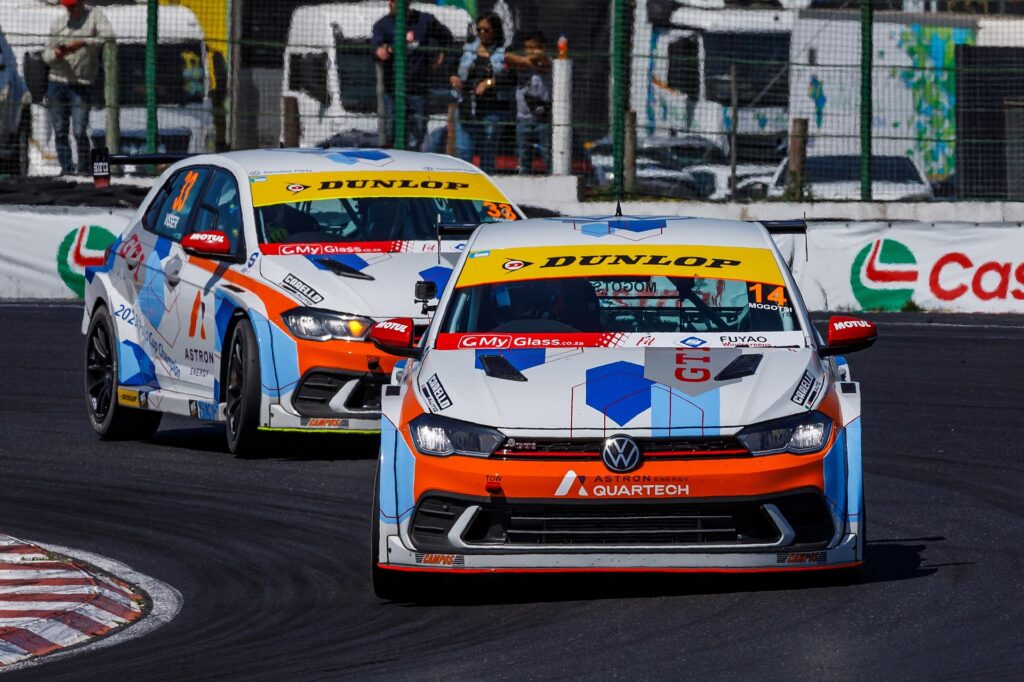
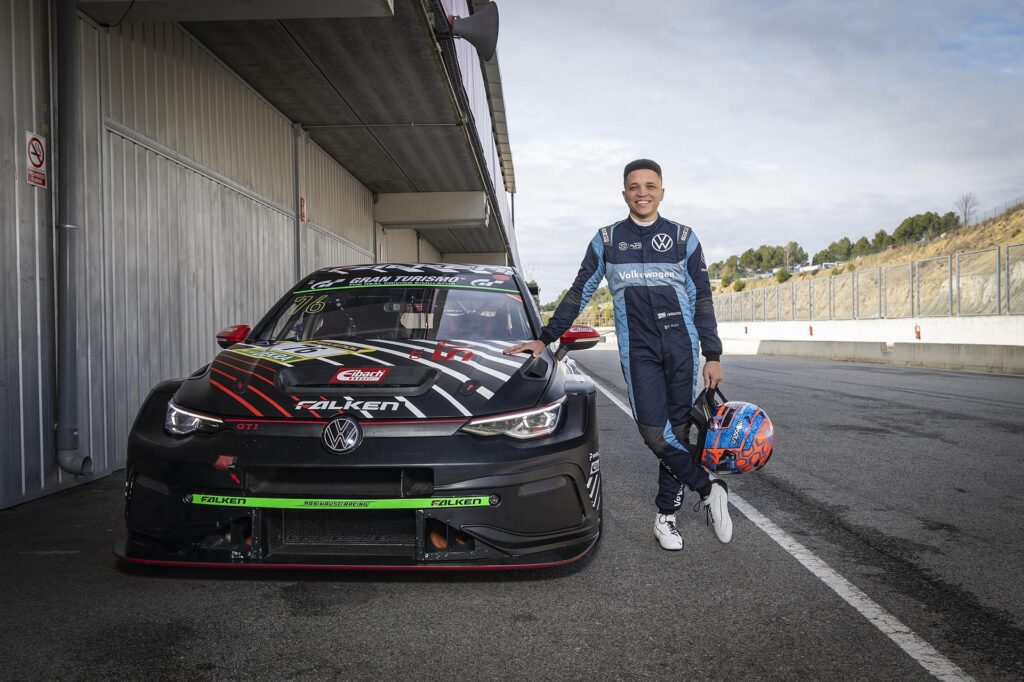
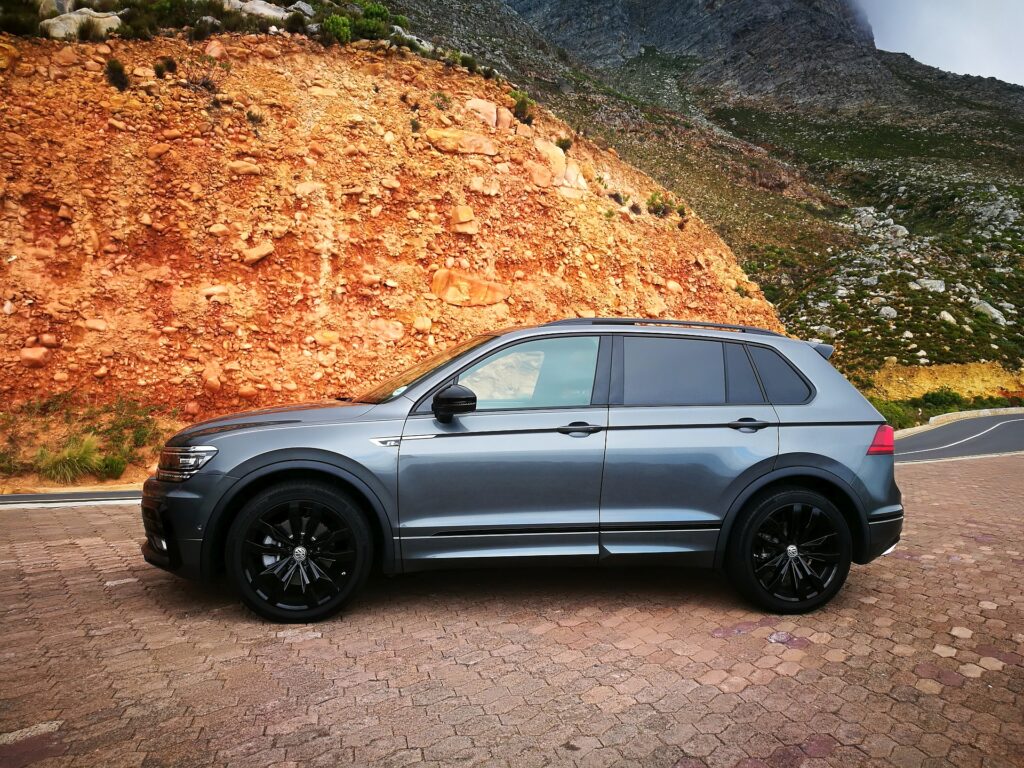
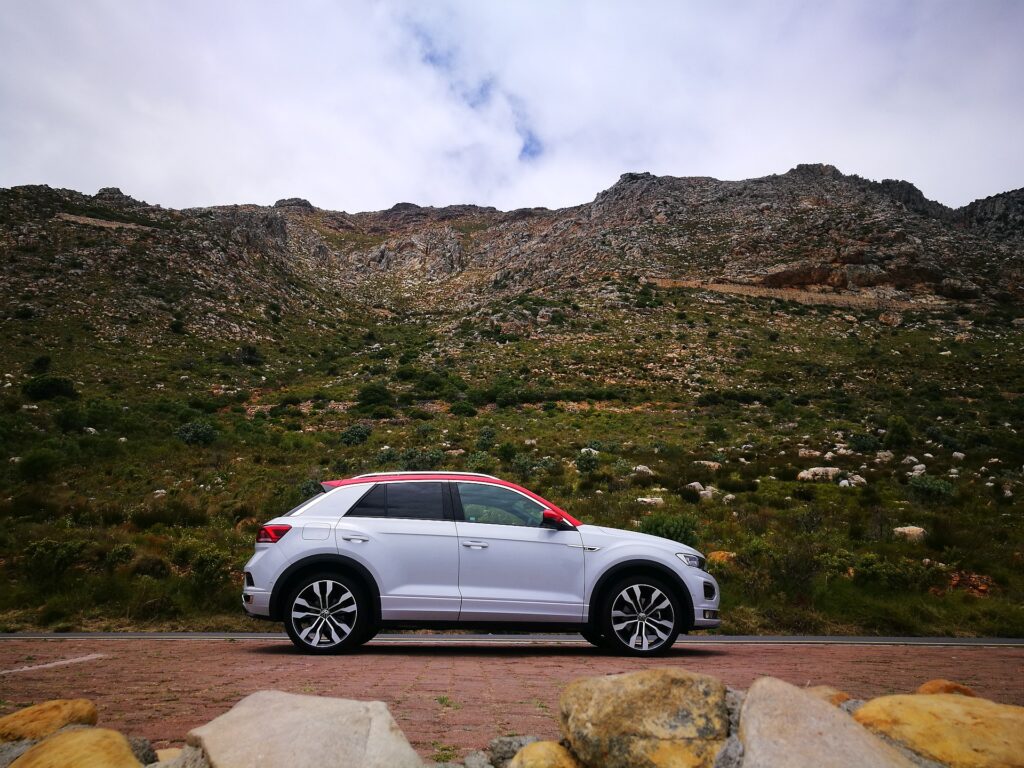
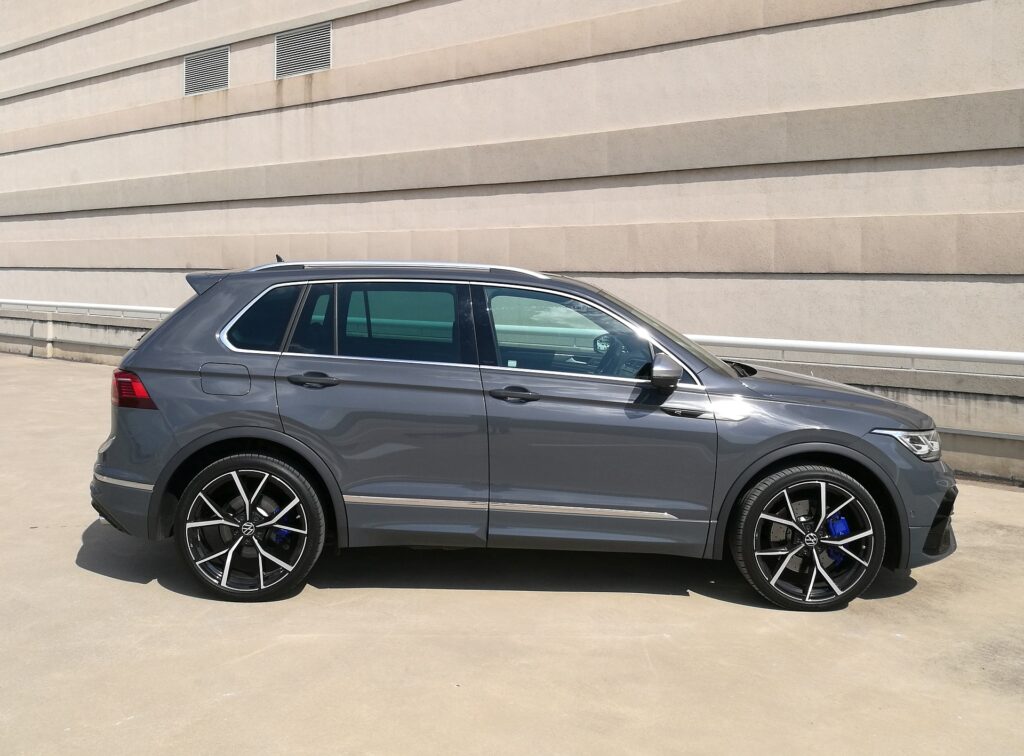
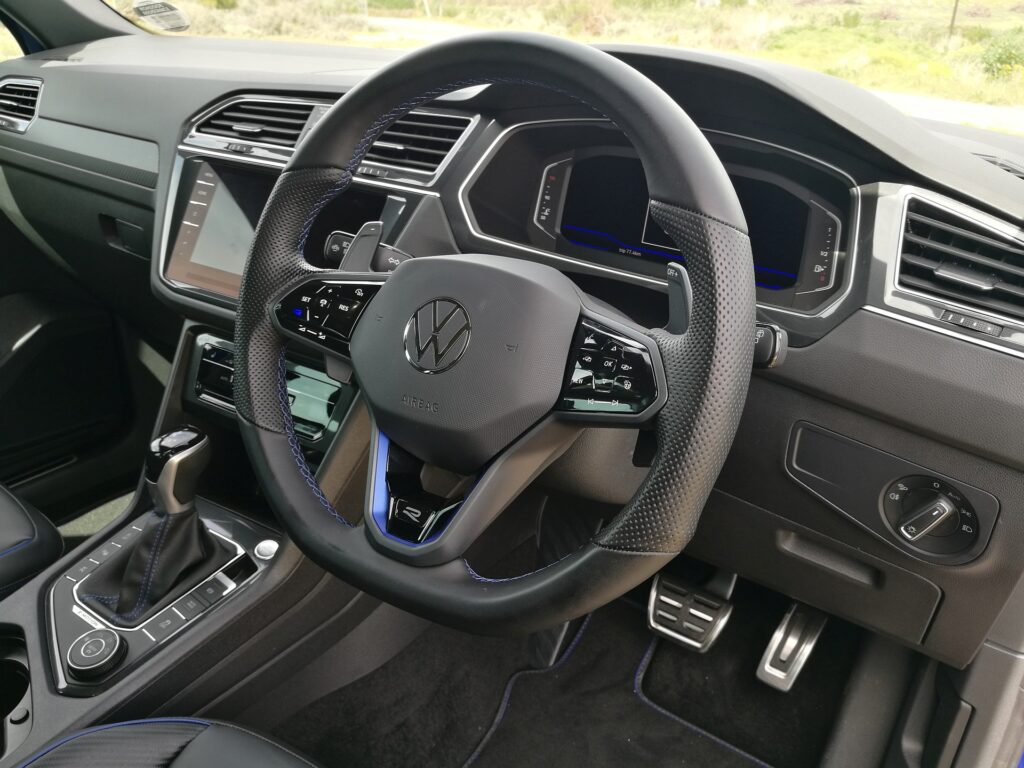
Today, Volkswagen Group Africa sits comfortably in the top three best-selling car companies in Mzansi. Whether it’s the cheeky T-Cross for young professionals, or the Golf GTI (the original vrrrrrrr pha!) that still lights up enthusiasts, or the Tiguan for growing families, or the Amarok holding its own in the tough bakkie segment, VW has a car for every Mzansi story. These aren’t just imports – they’re either built or fully supported right here, with real local content and engineers who understand our conditions: high-altitude performance, rough roads, and the need for value that lasts among other considerations.
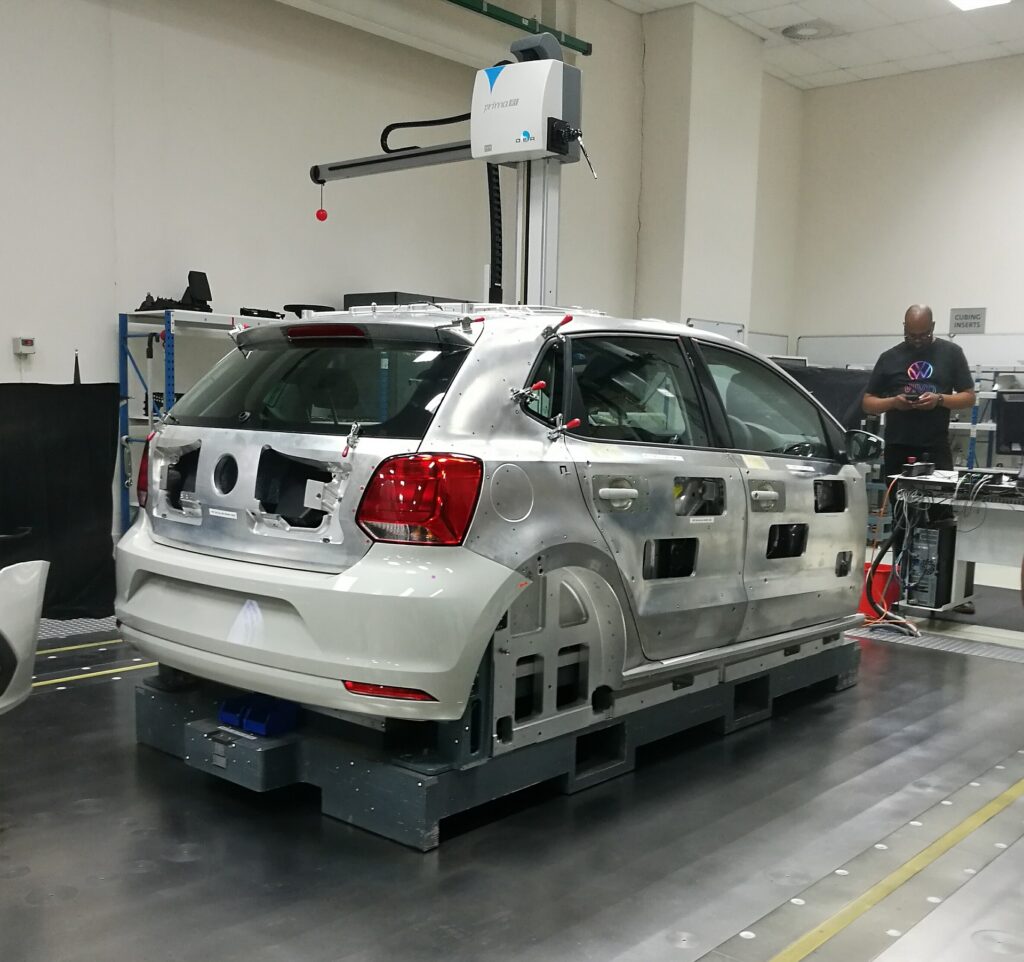
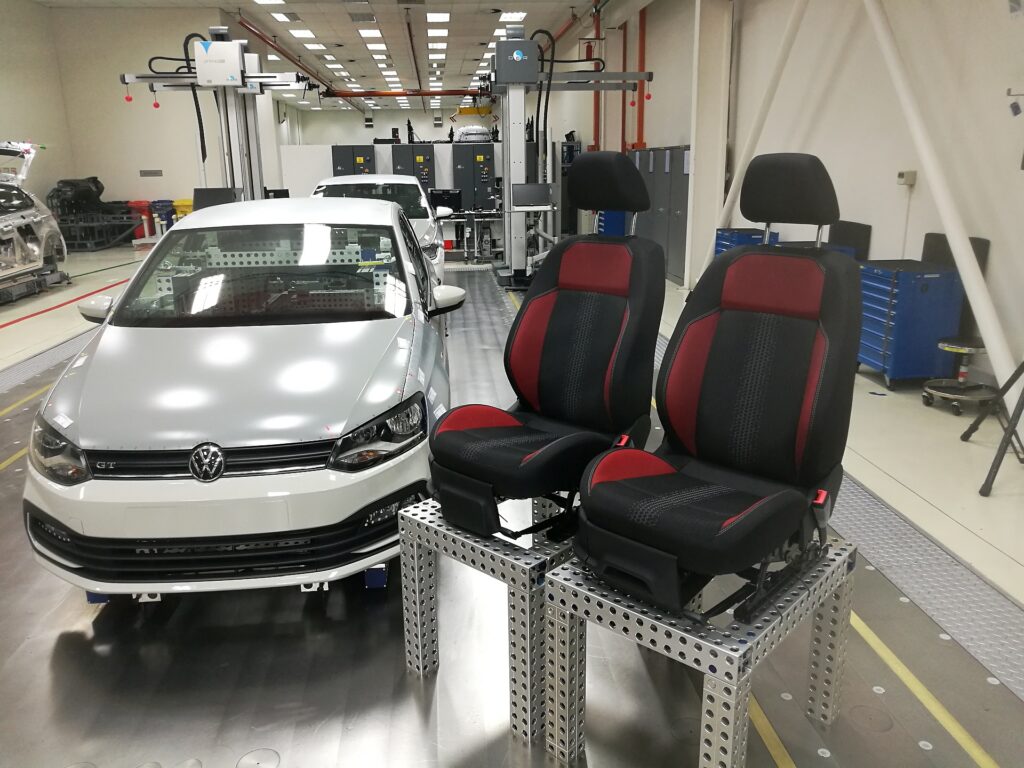
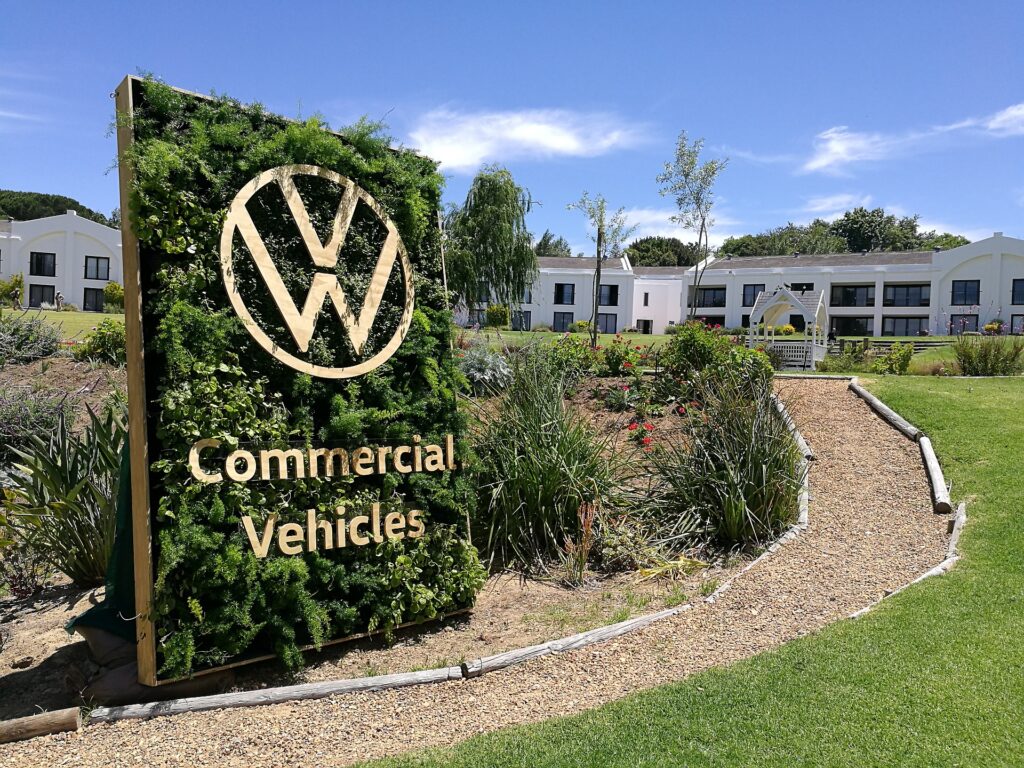
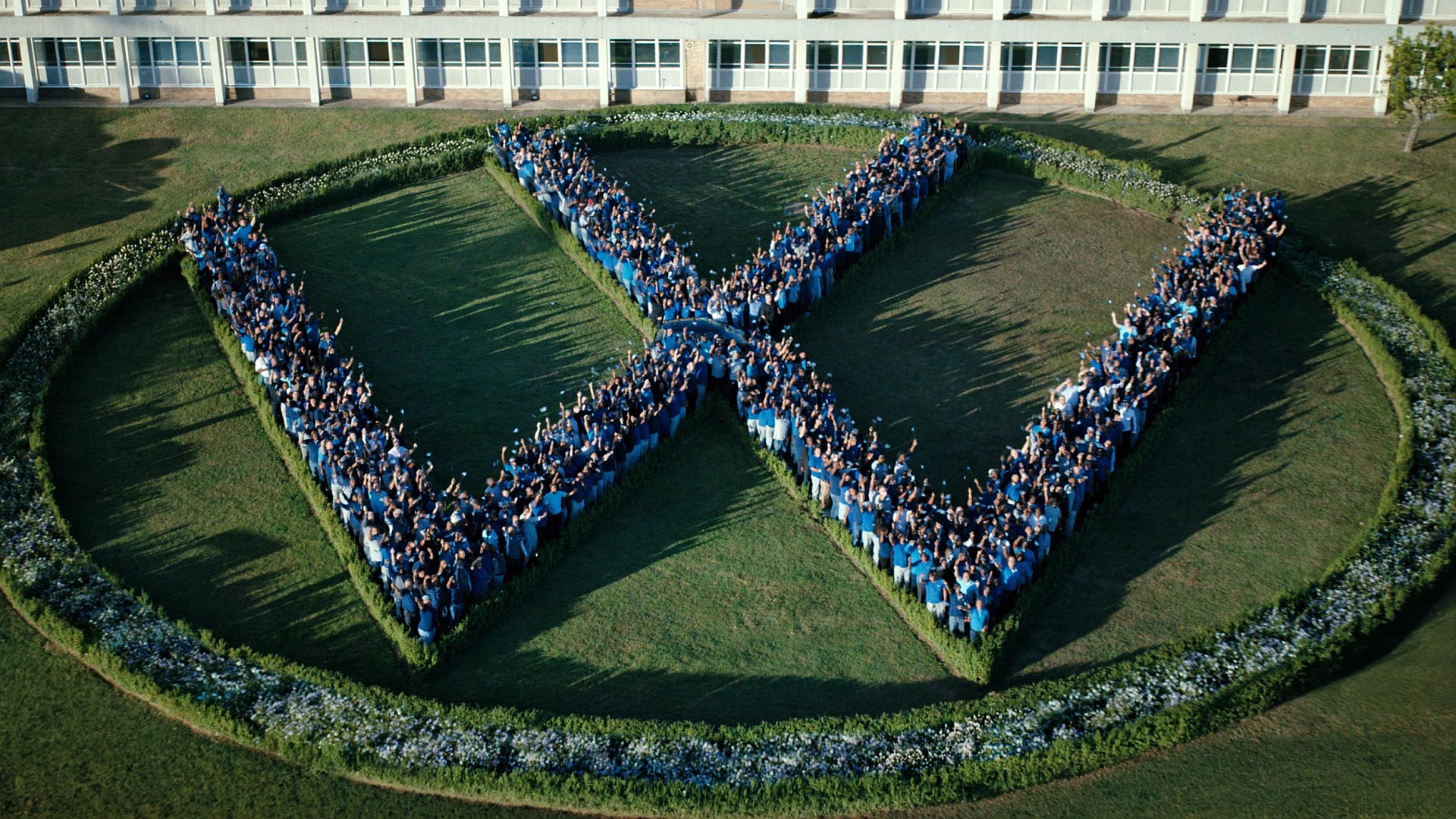
The Kariega Plant itself is a massive property and a major employer in the region, stretching over half a million square metres and producing around 710 vehicles daily. Beyond the metal and rubber, VW has always been more than a manufacturer. It was a pioneer in recognising black trade unions during tough times and investing in training black artisans and toolmakers. That forward thinking helped the company navigate apartheid-era challenges while building genuine community links that still matter.

At the helm right now is a leader who feels like one of us. Martina Biene, the German-born Chairperson and Managing Director of Volkswagen Group Africa, has made Mzansi her second home. Ms Biene is the only female leader of a major automotive company in the country. She’s embraced the culture fully – quick to talk about her love for Brenda Fassie’s music and the vibrant energy of a proper shisanyama spot. That kind of connection from the top filters down. It shows in how VW engages with local talent, and keeps models relevant for our lifestyle.
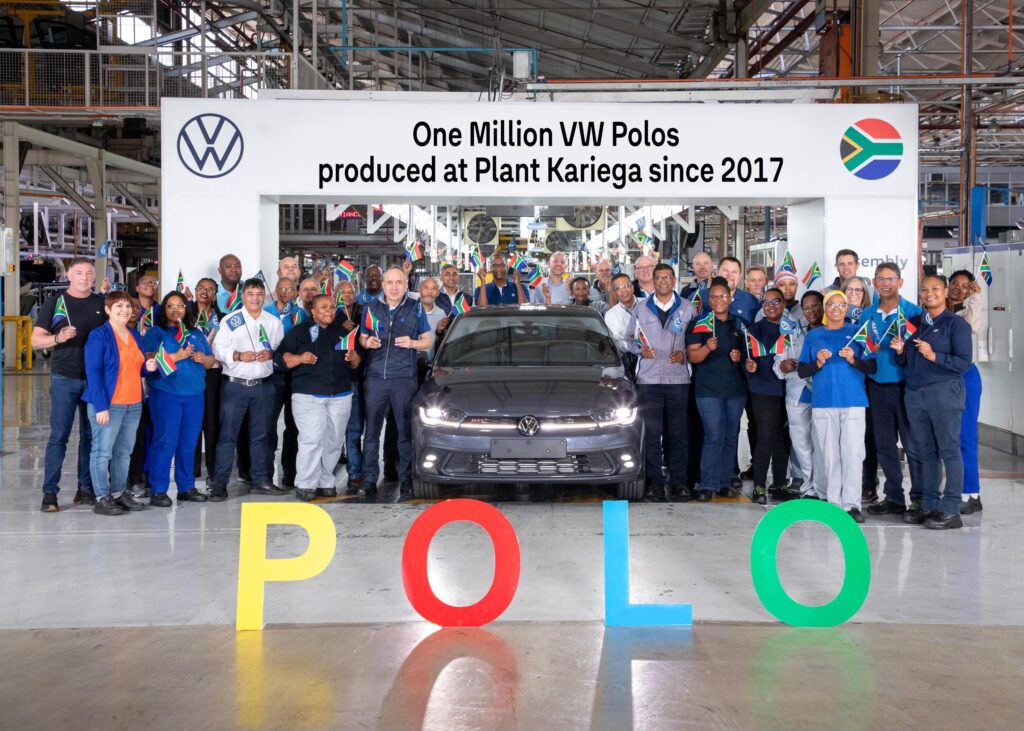
Volkswagen keeps investing, keeps exporting, and keeps delivering cars that South Africans trust. The Polo’s export success proves the quality coming out of Kariega stands up in the world.
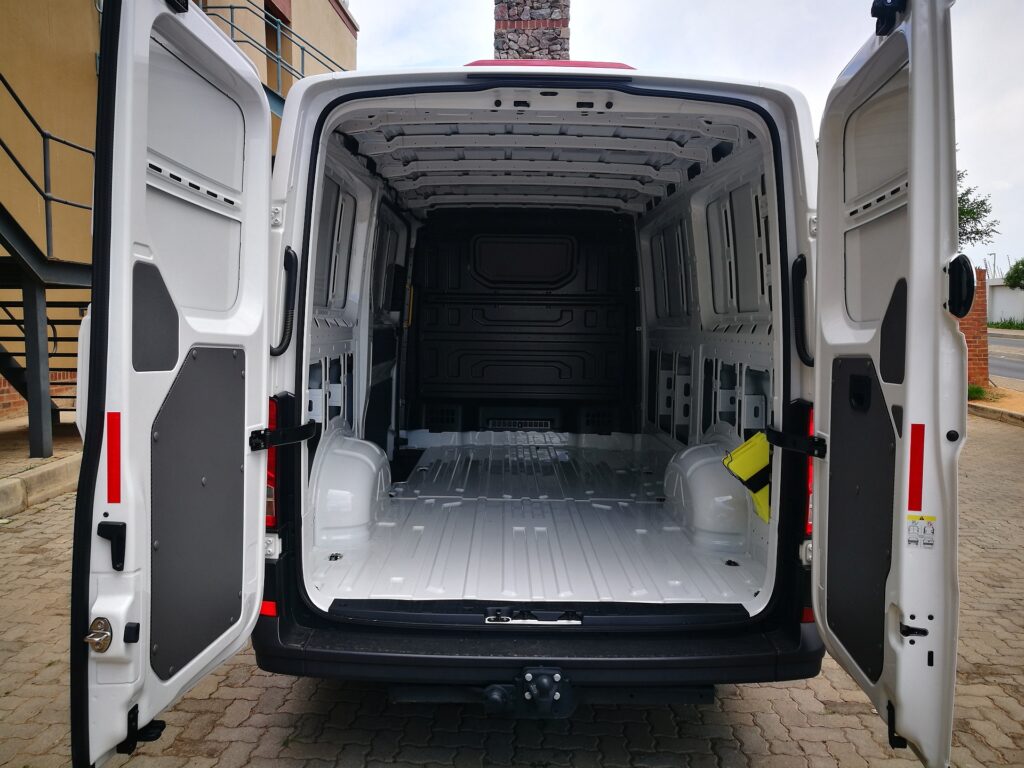
As the company marks 75 years in Mzansi, the story is not just about production lines and export figures anymore. It is about the mechanic in Kariega who rebuilt his first 1980s Kombi engine, the mother dropping kids at school in a Polo, the young guy dreaming of his first GTI, and the long-haul driver relying on an Amarok. “Vee Double You” has grown up with us, from the Beetle days to electric ambitions on the horizon. In a country that loves its cars as much as its people, Volkswagen is not going anywhere. It’s part of the journey, one road at a time.